



Planting and Growing common morning glory

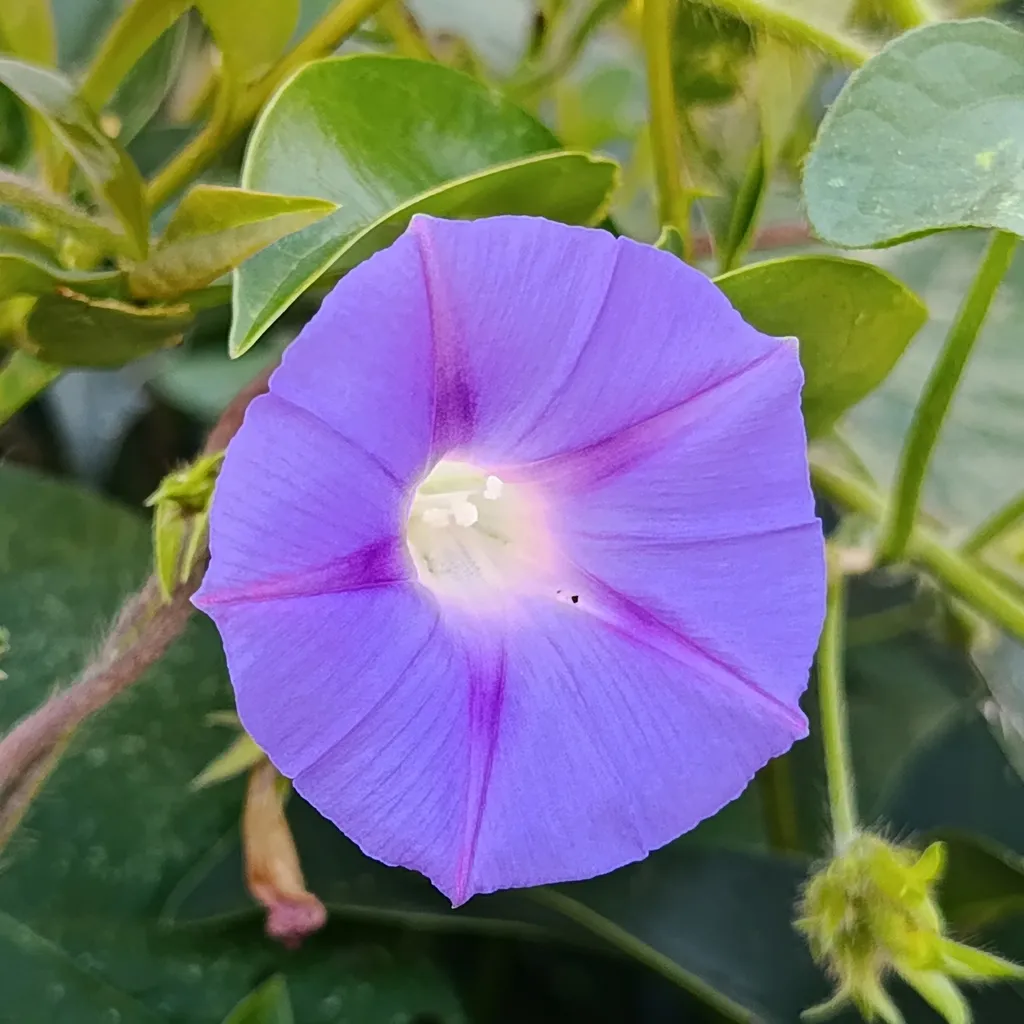
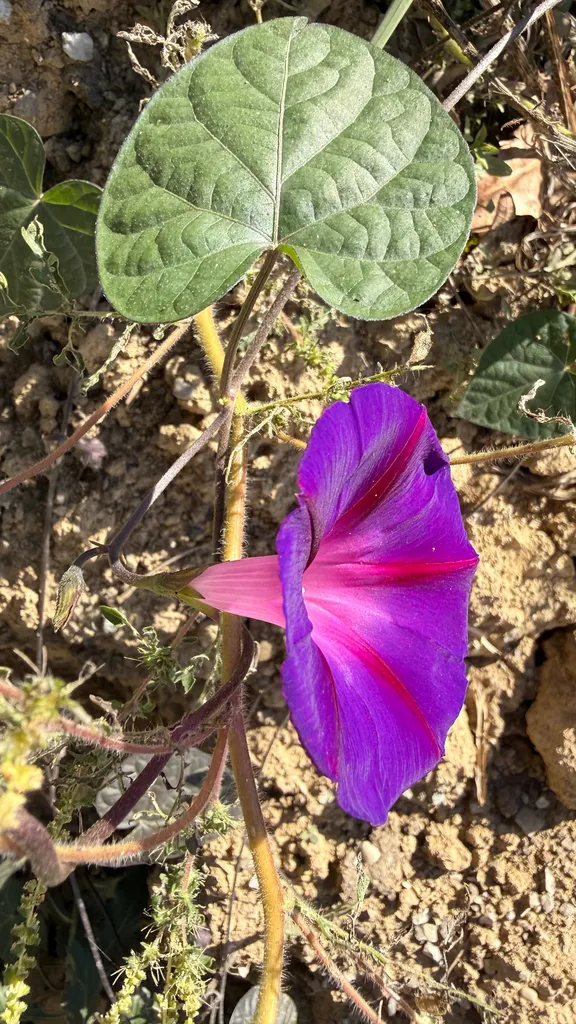
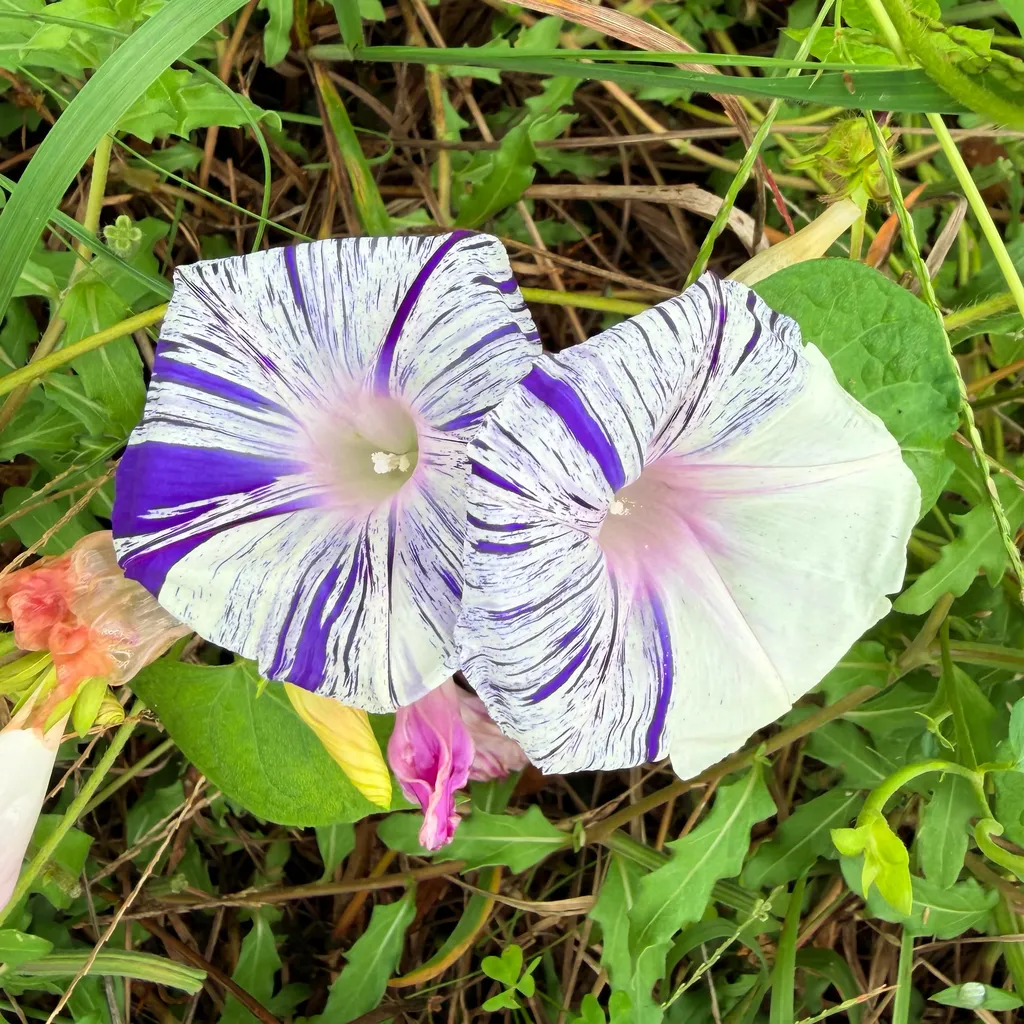
| Care difficulty | 2 / 5 |
|---|---|
| Watering schedule | Water regularly, keeping the soil moist but not waterlogged. |
| Sunlight requirements | Full sun |
| Ideal temperature | 20 – 30 °C |
| Soil type | Chalk · Loam · Sand |
| Soil pH | Acid · Alkaline · Neutral |
| Soil moisture | Moist but well drained |
| Fertilizing | Apply a balanced liquid fertilizer every 2-3 weeks during the growing season. |
| Toxicity | Harmful if eaten. Wear gloves and other protective equipment when handling |
How to Water common morning glory?
Originating from tropical regions, common morning glory thrives in environments with high humidity and regular rainfall. This species exhibits a preference for consistent moisture but can withstand short periods of dryness. Watering should align with its natural predilection for weekly hydration, translating to watering every week. As an outdoor plant often adorning trellises and fences, common morning glory benefits significantly from rainwater, which complements its watering schedule and enhances its vigorous climbing growth during the peak growing season.
Learn more →What Are the Sunlight Requirements for common morning glory?
Common morning glory thrives best in full sunlight, requiring a minimum of six hours of direct, unfiltered sunlight daily to optimize growth and enhance flowering capabilities. While common morning glory is predominantly suited for sunny environments, it exhibits a good tolerance to partial sun conditions as well. In less than ideal light, common morning glory may show reduced vigor and fewer blooms, indicating stress from insufficient sunlight. When planted outdoors, common morning glory should be positioned in areas that receive ample morning sun and light afternoon shade to mitigate excessive heat. This exposure ensures the healthiest growth and vibrant blooms typical of the species.
Learn more →What Is the Ideal Temperature Range for common morning glory?

Common morning glory likes a warm and humid climate. It is resistant to heat but not to cold; suitable growing temperatures range from 20 to 35 ℃. Within that range, it grows more vigorously at higher temperatures. When the temperature is lower than 10 ℃, it will slow or stop growing, and frost damage can easily cause the plants to die. Common morning glory requires adequate soil moisture to grow, but cannot tolerate water accumulation. It grows slowly in dry environments with high temperatures.
Learn more →What Soil Is Best for common morning glory?
Common morning glory does not have stringent soil and pH requirements and is tolerant of infertility. It grows well in slightly acidic or slightly alkaline soils, and grows best in soils with a pH of 6.0-6.8. Loose, fertile soil is recommended. You can use garden soil with a small amount of peat when planting. if your soil is not very permeable, add some sand or perlite. Loosening the soil can help the root system grow better.
- Soil type
- Chalk · Loam · Sand
- Soil pH
- Acid · Alkaline · Neutral
What Are the Moisture Requirements for common morning glory?
Moist but well drained
Learn more →How to Fertilize common morning glory?

For optimal growth, fertilize common morning glory with high phosphorus fertilizers monthly, stimulating robust root systems and abundant blooms. Apply a balanced, water-soluble fertilizer in the growing season. Reduce frequency in autumn and winter to allow common morning glory to rest. Use the manufacturer-recommended quantity to avoid over-fertilization, which can lead to foliage at the expense of flowers. In early growth stages, a more nitrogen-rich mix can promote foliage development – switch to phosphorus-rich as common morning glory matures to encourage flowering. Always water common morning glory thoroughly post-fertilization to distribute nutrients evenly and minimize root burn.
Learn more →How to Prune common morning glory?

Common morning glory, known for its vibrant flowers and rapid growth, benefits from strategic pruning. Ideal pruning times are early to later spring. Trim to remove dead or diseased stems, control overgrowth, and encourage branching. Focus on cutting back to just above a leaf node. Pruning promotes healthier blooms, improves air circulation, and prevents unwanted spreading. Adapt these techniques for optimal plant health and flowering.
Learn more →How to Propagate common morning glory?

A vibrant and hearty climber, common morning glory captures the eye with trumpet-shaped blooms. For gardeners looking to foster new growth, starting common morning glory through sowing is straightforward. Use a well-draining soil mix and sow the seeds superficially, as common morning glory seeds need ample light to germinate. Ensure the soil is moist but not waterlogged. Gentle handling of the delicate seedlings will lead to successful establishment. Providing support like trellises will encourage their natural twining habit.
Learn more →How to Transplant common morning glory?
Ideal for transplanting common morning glory is when warmer days arrive in mid-spring; the season offers optimal growth conditions. Ensure a sunny location with well-draining soil. Remember, baby common morning glory plants are sensitive, so handle with care during transplanting!
Learn more →How to Plant common morning glory?
Indoors-potted: In an indoor setting, common morning glory requires support for its climbing habit; a trellis or stake will foster vertical growth and space efficiency. Outdoors-potted: Common morning glory, when grown in outdoor pots, benefits from rotation to encourage even growth on all sides due to its twining nature. Outdoors-in the ground: Planted outdoors in the ground, common morning glory thrives with minimal intervention but ensure ample space for spread to avoid entanglement with nearby plants.
Learn more →How to Repot common morning glory?
Plant in 7 to 8 cm pots and transplant to a medium-sized pot after leaves grow out from seedling.
Learn more →How to Harvest common morning glory?

You can collect common morning glory seeds in late fall when they are ripe. Keep them in a cool, dry place, saving them for sowing the next spring or summer.
Learn more →Common Pests & Diseases

Diseases
Generally disease-free
Pests
May be susceptible to glasshoouse red spider mite and glasshouse whitefly
Explore the plant health library →Troubleshooting
Lush Leaves Without Flowers or Wilting Vines
common morning glory (Ipomoea purpurea) responds strongly to site drainage, light intensity, and soil conditions; evaluate cultural factors before assuming a single pathogen.
| What you notice | Possible explanation | What to check next |
|---|---|---|
| Vigorous heart-shaped leaves climb rapidly with very few trumpet-shaped flowers | Excess nitrogen fertilizer, overly rich soil, or insufficient direct sunlight | Assess daily direct sun hours and stop high-nitrogen fertilizers |
| Entire branch or plant wilts and turns dull brown with dark decayed roots | Root rot from poorly drained, waterlogged soil | Check site or container drainage and inspect root firmness |
- Ensure planting sites or containers have sharp drainage; amend heavy clay with organic matter or use raised beds.
- Plant in full sun (at least 6 hours daily) in moderately fertile, well-drained soil without rich nitrogen feeding.
- Water deeply at the base during dry spells rather than wetting foliage overhead.
- Prune out dead, diseased, or crossing shoots with sterilized secateurs.
Ipomoea purpurea self-seeds readily in warm gardens; remove fading flowers before seed pods ripen if you wish to prevent volunteer seedlings.
Sap-Sucking Pests or Foliar Mildew
Outdoor and conservatory shrubs and climbers are prone to sap-sucking insects, especially in warm sheltered spots or under glass.
| What you notice | Possible explanation | What to check next |
|---|---|---|
| Pale stippled leaves with fine webbing, or tiny whiteflies on undersides | Spider mites or whiteflies in hot dry weather | Inspect leaf undersides closely |
| Distorted new shoot tips with sticky honeydew | Aphids or scale insects feeding on tender growth | Examine growing tips and woody stems closely |
- Rinse leaf undersides with a firm stream of water outdoors or wipe indoor/conservatory foliage with a damp cloth.
- Thin overcrowded interior growth where appropriate to improve airflow and light penetration.
- Apply insecticidal soap or horticultural oil strictly according to product label instructions if infestations persist, avoiding application during hot midday sun.
Do not spray broad-spectrum insecticides onto open blooms when bees and pollinators are foraging.
The Toxicity of common morning glory
Harmful if eaten. Wear gloves and other protective equipment when handling