
common morning glory
Also known as: convolvulus purpureus; purplr bindweed
A short-lived perennial twining climber to 5m tall, usually grown as an annual. Leaves are heart-shaped or three-lobed. Flowers borne from summer into early autumn are funnel-shaped, 3-6cm in diameter and deep purple to bluish-purple or a reddish-purple with white throats
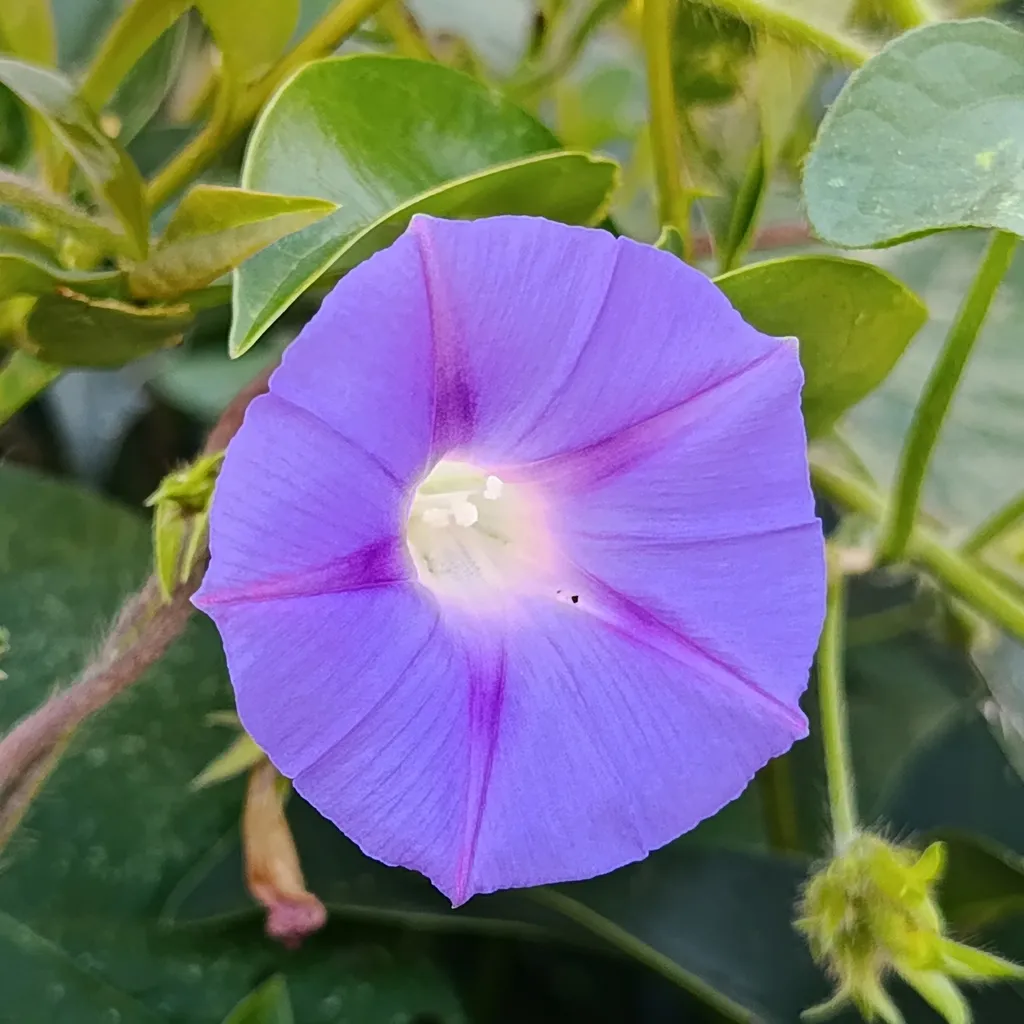
Scientific classification
- Species
- common morning glory (Ipomoea purpurea)
- Genus
- Ipomoea
- Family
- Convolvulaceae
- Harmful if eaten. Wear gloves and other protective equipment when handling
- Toxicity
- Annual Biennial · Climber Wall Shrub
- Plant type
- 4-8 metres
- Height
- 0.5-1 metres
- Spread
- Deciduous
- Foliage
- Climbing
- Habit
- Spring · Summer · Autumn
- Season of interest
- Full sun
- Sunlight
- 20 – 30 °C
- Ideal temperature









common morning glory pictures
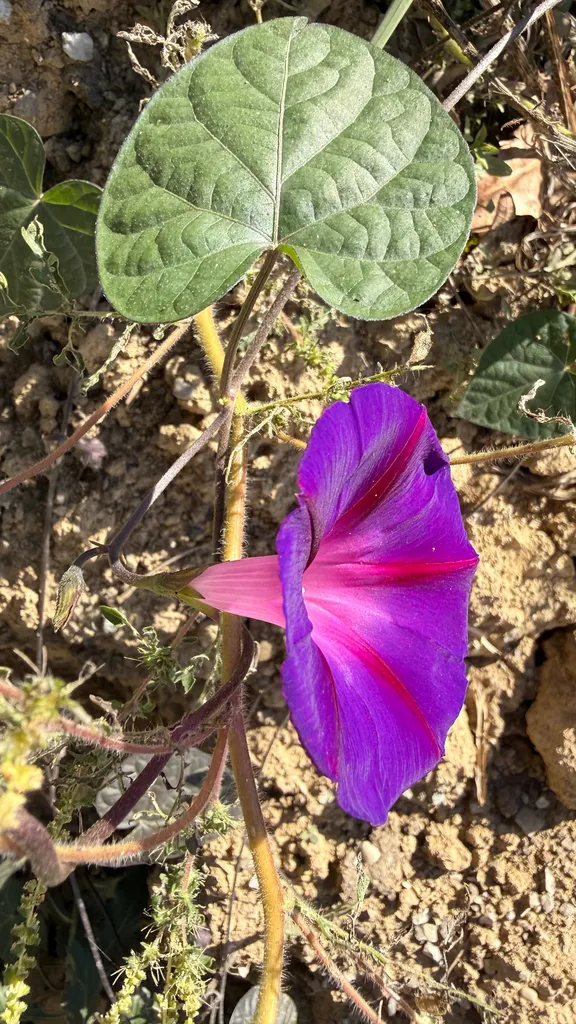
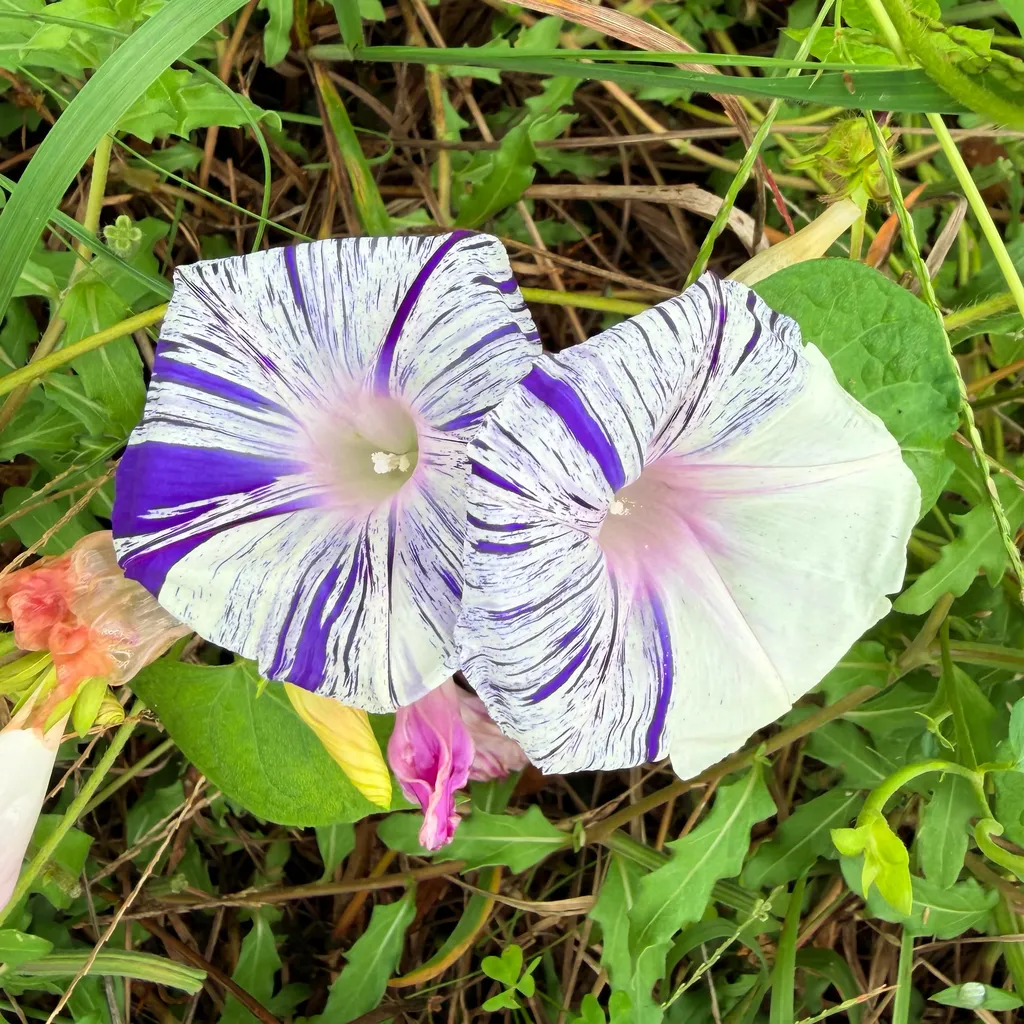
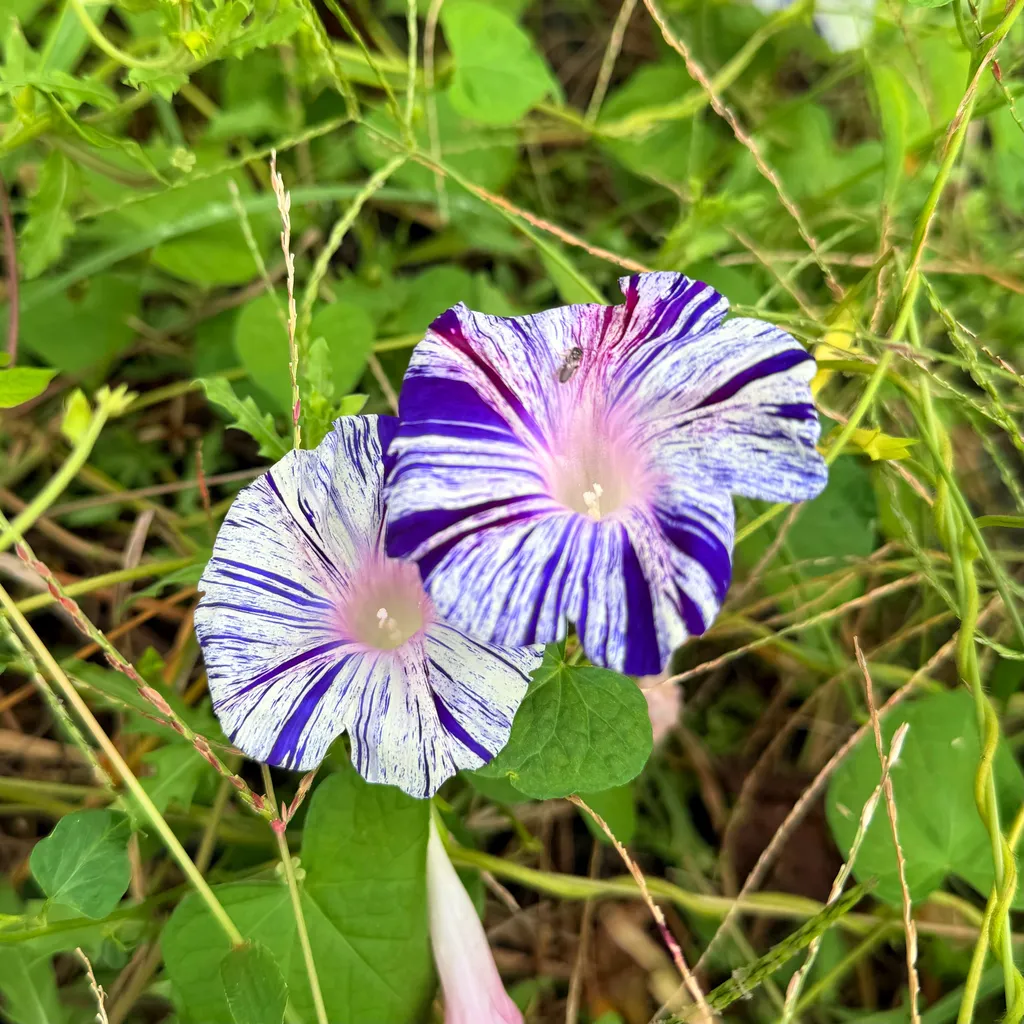
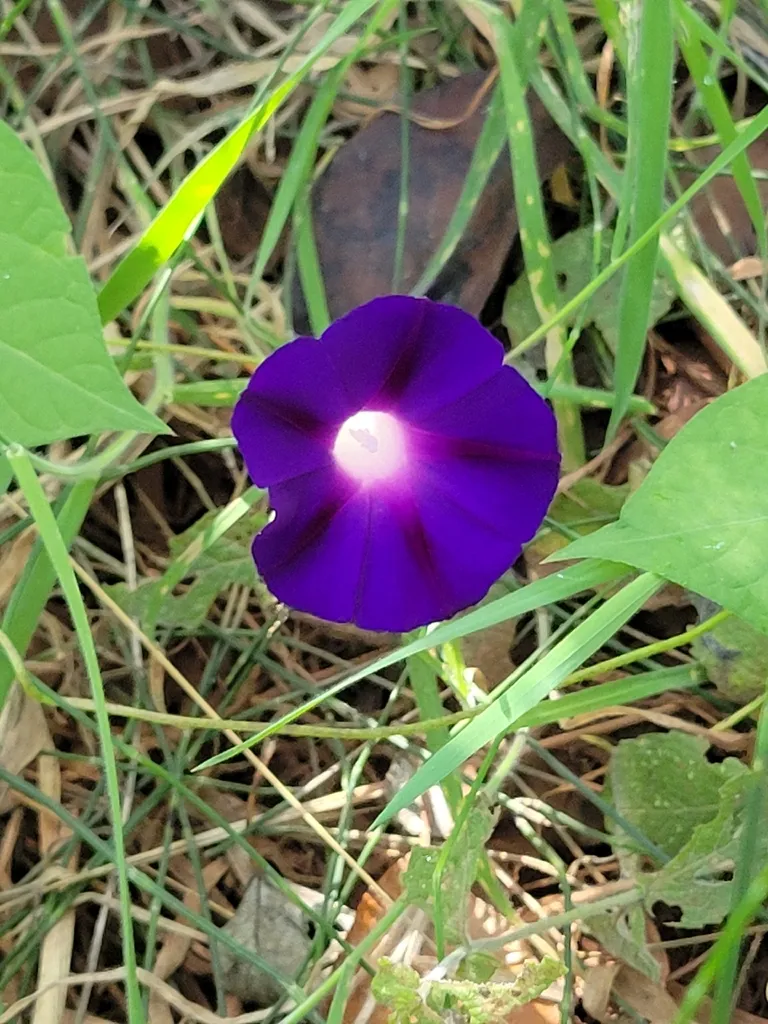
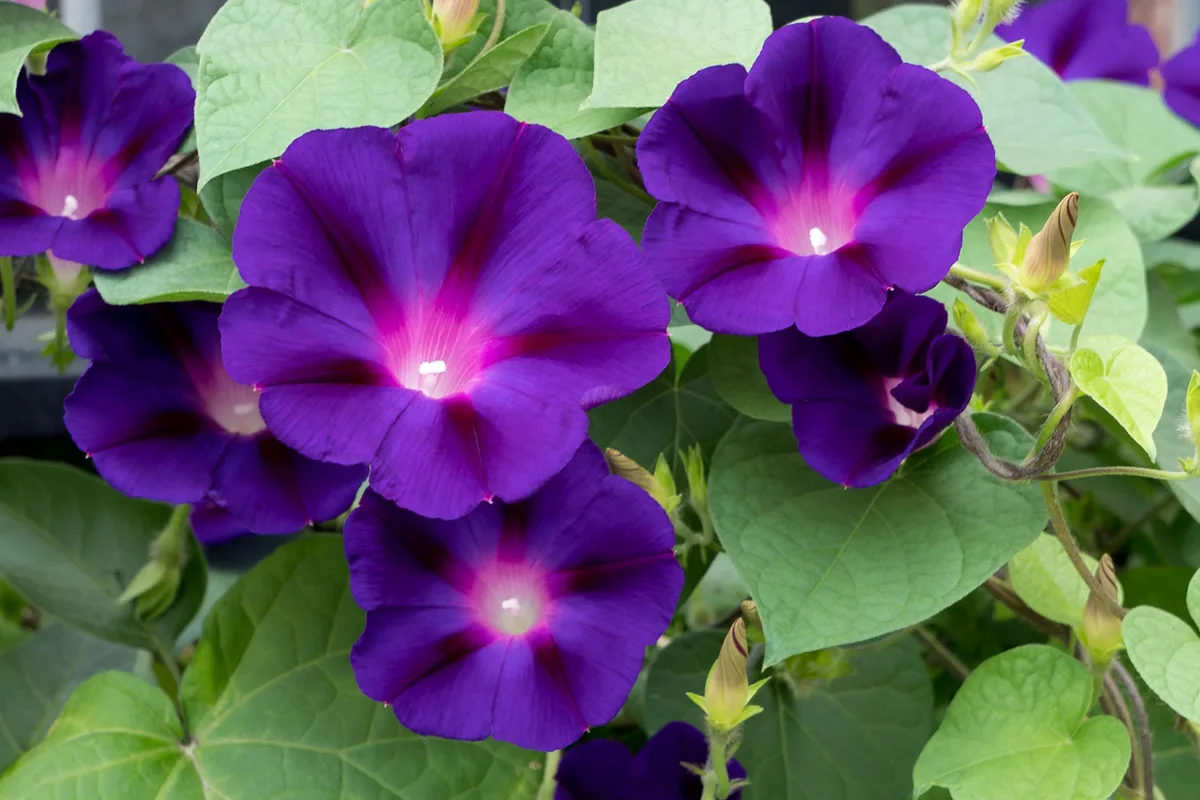
Distribution of common morning glory
Distribution map
- Native
- Introduced
- Cultivated
Locally extinct or doubtful records are excluded from native and introduced layers.
Source:WCVP v16 · Royal Botanic Gardens, Kew · CC BY 3.0 · Boundaries:WGSRPD / TDWG
Culture
Information to be completed
Toxicity
Harmful if eaten. Wear gloves and other protective equipment when handling
Quick identification of common morning glory
Information to be completed
common morning glory care guide
- Water regularly, keeping the soil moist but not waterlogged.
- Watering
- Full sun
- Sunlight
- 20 – 30 °C
- Ideal temperature

Watering
Water regularly, keeping the soil moist but not waterlogged.
Fertilizing
 Fertilizing
Apply a balanced liquid fertilizer every 2-3 weeks during the growing season.
Pruning
 Pruning
No pruning required
Propagation
 Propagation
Propagate by seed. See sowing seeds indoors for further advice
Growing
 Growing
Grow as an annual climber in a moist but well-drained soil in full sun and sheltered from cold winds
People also ask
Information to be completed
Common pests and diseases
Diseases
Generally disease-free
Pests
May be susceptible to glasshoouse red spider mite and glasshouse whitefly
Explore the plant health library →




