



Planting and Growing hollyhock

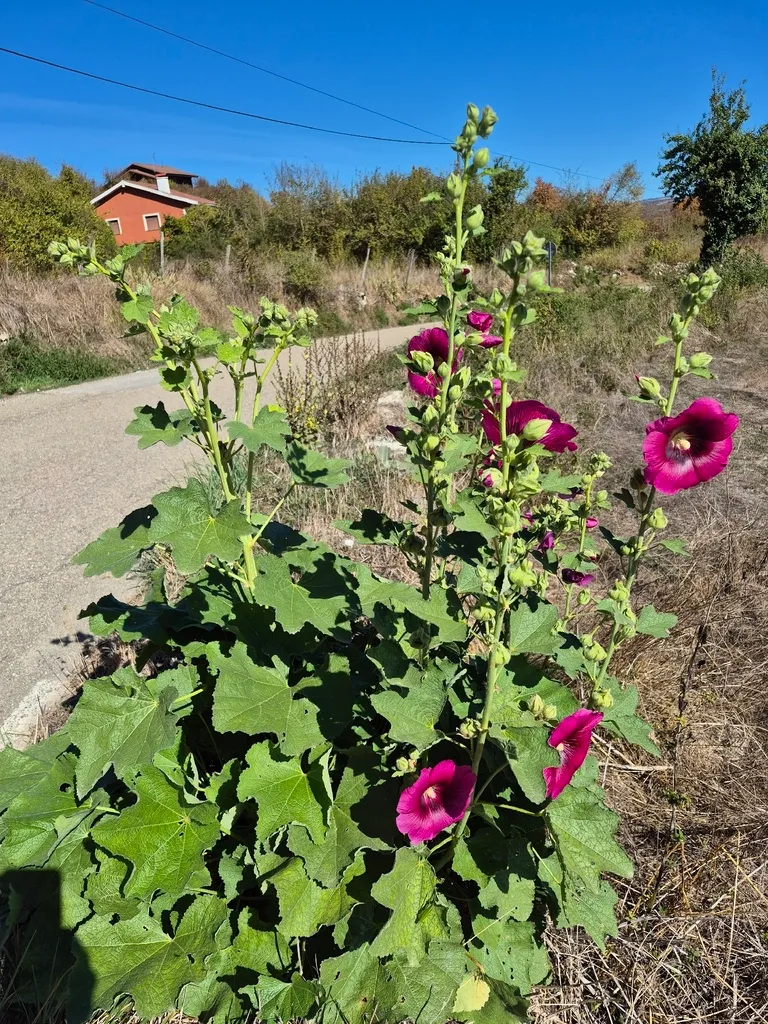
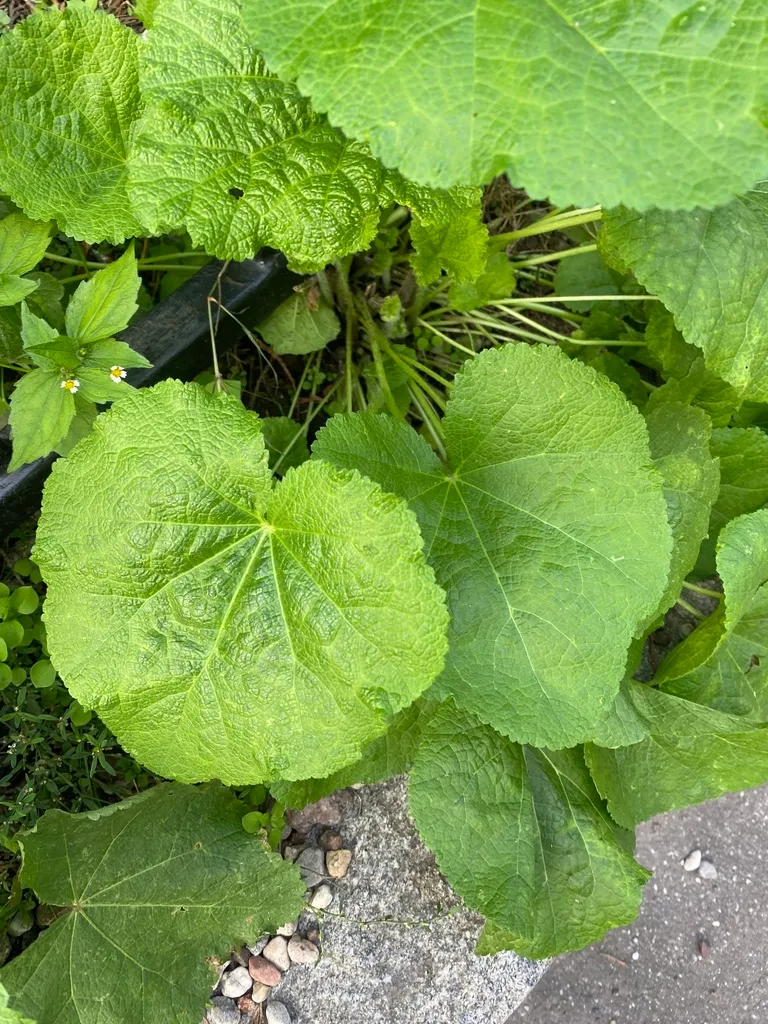
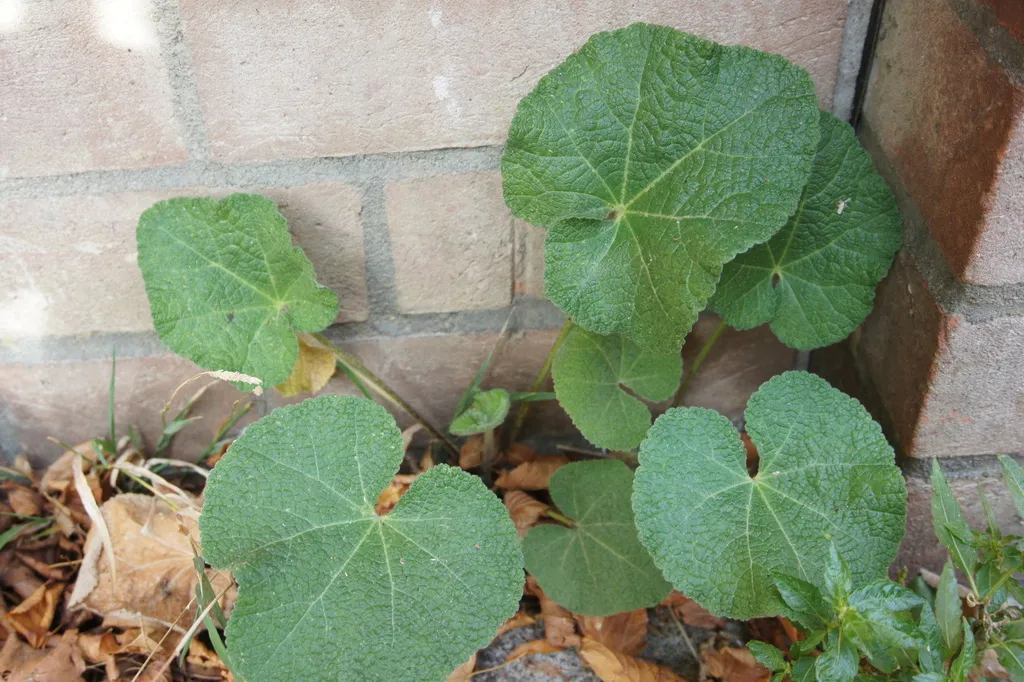
| Care difficulty | 2 / 5 |
|---|---|
| Watering schedule | Moderate regular watering, avoid prolonged drought and stagnant waterlogging |
| Sunlight requirements | Full sun |
| Ideal temperature | 15 – 25 °C |
| Soil type | Chalk · Loam · Sand |
| Soil pH | Acid · Alkaline · Neutral |
| Soil moisture | Well drained |
| Fertilizing | Balanced perennial feed every four weeks spring through summer growth |
| Toxicity | Information to be completed |
How to Water hollyhock?
Native to temperate regions, common hollyhock thrives in environments that mimic its origin, requiring moderate moisture levels. It exhibits a preference for consistent watering to maintain its lush growth, aligning with its natural habitat's balanced water availability. Watering every week is optimal to support its health and flowering potential. As an outdoor plant often found in cottage gardens, common hollyhock benefits from mulching which helps retain soil moisture and reduces the need for frequent watering, thus embodying a synergy between cultural practices and the plant's water-related needs.
Learn more →What Are the Sunlight Requirements for hollyhock?
Common hollyhock thrives best under full sun exposure, requiring at least 6 to 8 hours of direct sunlight daily to optimize growth, health, and flowering capabilities. While common hollyhock is primarily suited for full sun, it exhibits good tolerance to partial sun conditions; however, less than ideal sunlight may lead to reduced flowering and can potentially cause the plant to become leggy as it stretches toward the light source. Outdoors, common hollyhock should be planted in locations where it can receive ample sunlight throughout the day. No adaptations are required for its growth in varying light, maintaining robustness in diverse outdoor settings.
Learn more →What Is the Ideal Temperature Range for hollyhock?

Common hollyhock exhibits impressive temperature resilience, capable of withstanding temperatures from 0°C (32°F) to 41°C (106°F). In cold conditions, it can handle temperatures down to freezing, but may display symptoms like wilting or blackened foliage if overcooled. To combat chilling, consider mulching and providing wind protection. In high heat, common hollyhock can endure up to 41°C, though prolonged exposure may lead to scorched leaves or stunted growth. Shade and regular watering can mitigate overheating effects. This robustness makes common hollyhock well-suited for diverse climates, though protective measures are crucial during temperature extremes to maintain its health and vigor.
Learn more →What Soil Is Best for hollyhock?
For proper growth, common hollyhock requires well-draining soil to avoid water-logging. A mix of garden soil with compost and sand or perlite ensures good aeration. If compost or perlite is unavailable, any organic matter that promotes drainage can be used. It's crucial to maintain good soil structure. Adding balanced, slow-release fertilizer during planting enhances growth. Regularly check and adjust soil moisture to keep it moist but not soggy.
- Soil type
- Chalk · Loam · Sand
- Soil pH
- Acid · Alkaline · Neutral
What Are the Moisture Requirements for hollyhock?
Well drained
Learn more →How to Fertilize hollyhock?

For thriving common hollyhock, apply balanced nutrition fertilizers at the onset of the growing season to support robust growth. During flowering, switch to high phosphorus fertilizers to enhance bloom quality—typically every 2-3 weeks. Use manufacturer-recommended quantities to avoid over-fertilization, which can harm common hollyhock. Reduce frequency in winter as growth slows. Always water common hollyhock after application to help nutrient absorption and prevent root burn. These practices ensure common hollyhock maintains vigor, showcases vibrant flowers, and sustains health throughout the year.
Learn more →How to Prune hollyhock?

Common hollyhock is known for its tall spikes and vibrant blooms. Optimal pruning for common hollyhock should occur in early to late spring. Start by removing damaged or dead stems to promote healthy growth. Trim back spent flowers to encourage continuous blooming. Cut back to the base at the end of the season to prevent disease. Regular pruning enhances airflow, reducing fungal issues and increasing the plant's vigor and flower production. Tailor techniques based on the plant's size and spacing.
Learn more →How to Propagate hollyhock?

The ideal propagation season for common hollyhock is Spring. Preferred methods include sowing seeds, which are moderately easy to propagate. Signs of successful propagation include germination and emergence of seedlings. For optimal results, soak seeds in water for a few hours before sowing.
Learn more →How to Transplant hollyhock?
The best time to transplant common hollyhock is during mid to late spring, as it provides ideal growing conditions. Ensure a sunny location with well-draining soil for optimal growth. If needed, give young plants extra support or choose a sheltered spot to protect from strong winds.
Learn more →How to Plant hollyhock?
Indoors-potted: In indoor settings, common hollyhock thrives when placed where they can bask in ample ambient light and receive consistent care. Outdoors-potted: For outdoor pots, rotate common hollyhock occasionally to promote even growth and prevent leaning towards the light source. Outdoors-in the ground: Common hollyhock, typically grown for their stately flower stalks, prefer a sheltered spot outdoors to protect their tall stems from strong winds.
Learn more →How to Repot hollyhock?
For the towering common hollyhock, repotting every 2-3 years supports its robust growth. Best done in early spring before the growth spurt, choose a container one size larger to accommodate deep roots. Post-repot, ensure adequate watering and light feeding to help common hollyhock recover and thrive. Avoid over-potting, which can stress the plant.
Learn more →Common Pests & Diseases

Diseases
Susceptible to a rust
Pests
Young growth can be attacked by slugs and caterpillars; flea beetles occasionally causes significant defoliation
Explore the plant health library →Troubleshooting
Leggy Stems, Sparse Flowering, or Root Rot
hollyhock (Alcea rosea) performs best in well-drained soil with appropriate sunlight and regular deadheading; soggy soil rots roots, while low light or skipped pinching causes leggy growth.
| What you notice | Possible explanation | What to check next |
|---|---|---|
| Stems stretch tall and floppy with sparse blooms | Insufficient direct sunlight, lack of early-season pinching/deadheading, or excess high-nitrogen fertilizer | Assess daily sun hours and check whether spent flowers are left to set seed |
| Lower leaves turn yellow and plant wilts while soil stays wet and heavy | Root or stem rot from overwatering or poor drainage (Susceptible to a rust) | Check soil drainage and ensure containers have open drainage holes |
- Grow in fertile, well-drained soil in full sun, spacing plants for good airflow.
- Water consistently without waterlogging: Moderate regular watering, avoid prolonged drought and stagnant waterlogging.
- Maintain compact flowering growth: Cut back after flowering.
Stop watering waterlogged containers immediately and improve drainage before fungal root or stem rot spreads.
Powdery Mildew, Grey Mould, or Aphids and Slugs
Crowded foliage, dry root stress, or damp stagnant air can trigger mildew or grey mould on hollyhock (Alcea rosea), while tender shoots attract pests.
| What you notice | Possible explanation | What to check next |
|---|---|---|
| White powdery coating on leaves, or fuzzy grey mold on damp spent flowers | Fungal disease (Susceptible to a rust) favored by drought stress at the roots or wet, crowded foliage | Inspect lower leaves and spent blooms and check plant spacing |
| Distorted shoot tips with aphids/whiteflies, or ragged holes chewed in young leaves | Common pests (Young growth can be attacked by slugs and caterpillars; flea beetles occasionally causes significant defoliation) | Check shoot tips, leaf undersides, and damp ground around the crown |
- Water at the base of the plant early in the day rather than overhead, and thin or divide congested clumps in spring or autumn.
- Remove mildewed leaves and faded flowers promptly, and clear plant debris at season's end.
- Manage aphids or whiteflies with a firm water spray or insecticidal soap per label directions, and protect young shoots from slugs.
Protect frost-tender bedding or subtropical perennials indoors or under glass before autumn frosts.