
hollyhock
Also known as: common hollyhock
A robust biennial or short-lived perennial to 2m or more, with shallowly lobed, rounded leaves and long erect racemes of open funnel-shaped flowers to 10cm across, which may be pink, purple, red, white or yellow
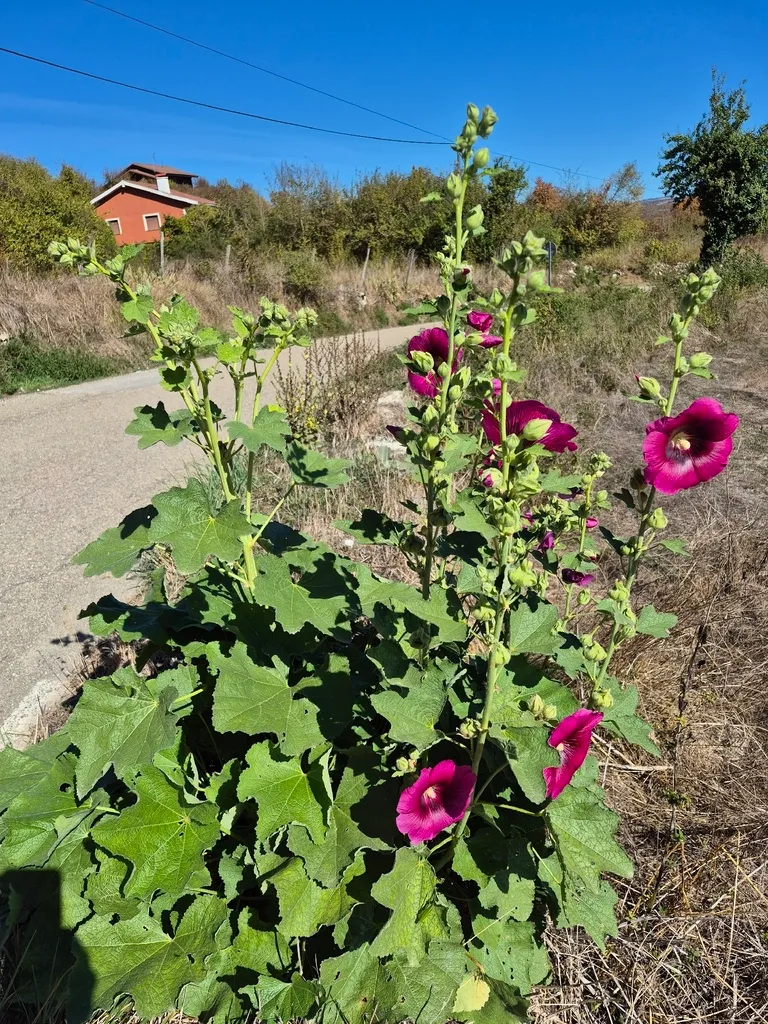
Scientific classification
- Species
- hollyhock (Alcea rosea)
- Genus
- Alcea
- Family
- Malvaceae
- Information to be completed
- Toxicity
- Annual Biennial
- Plant type
- 1.5-2.5 metres
- Height
- 0.5-1 metres
- Spread
- Deciduous
- Foliage
- Columnar upright
- Habit
- Spring · Summer · Autumn
- Season of interest
- Full sun
- Sunlight
- 15 – 25 °C
- Ideal temperature









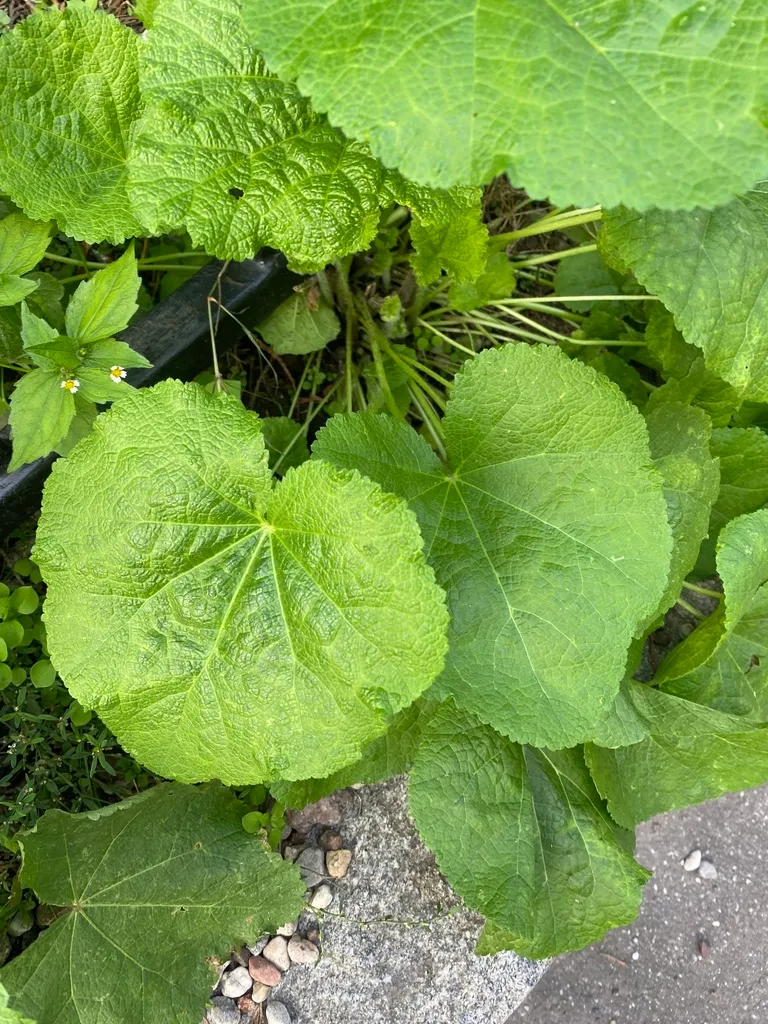
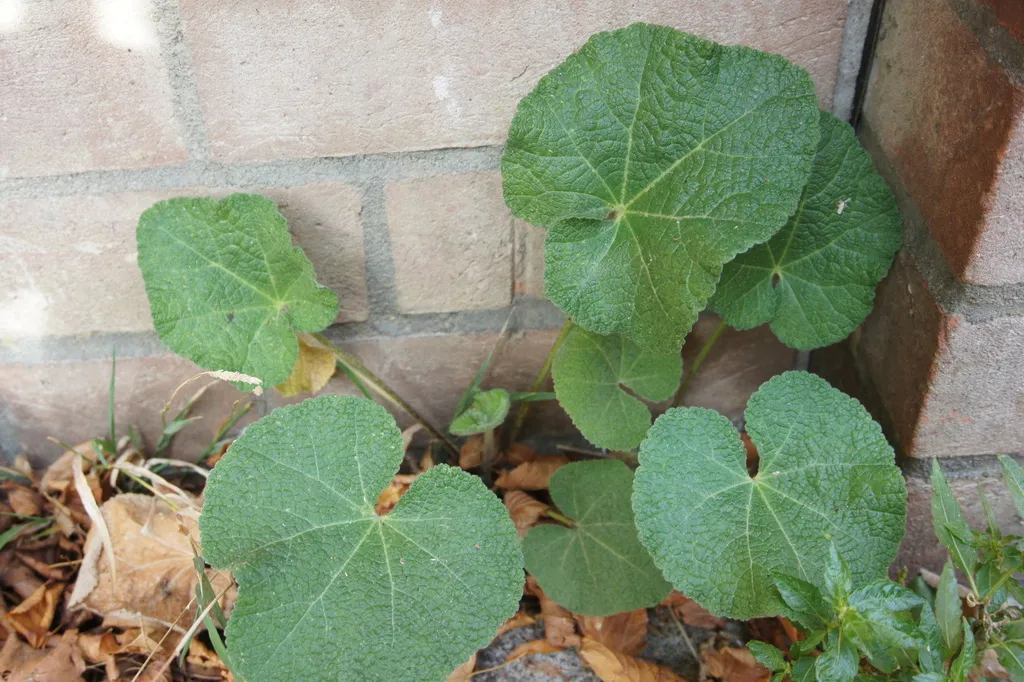
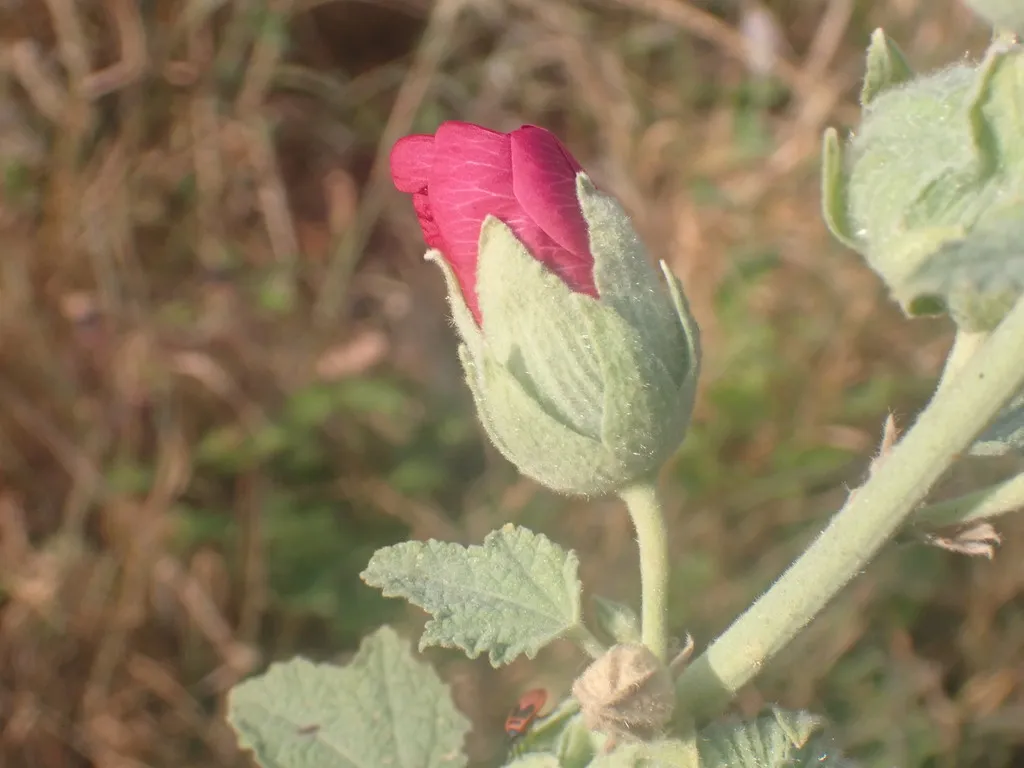
hollyhock pictures
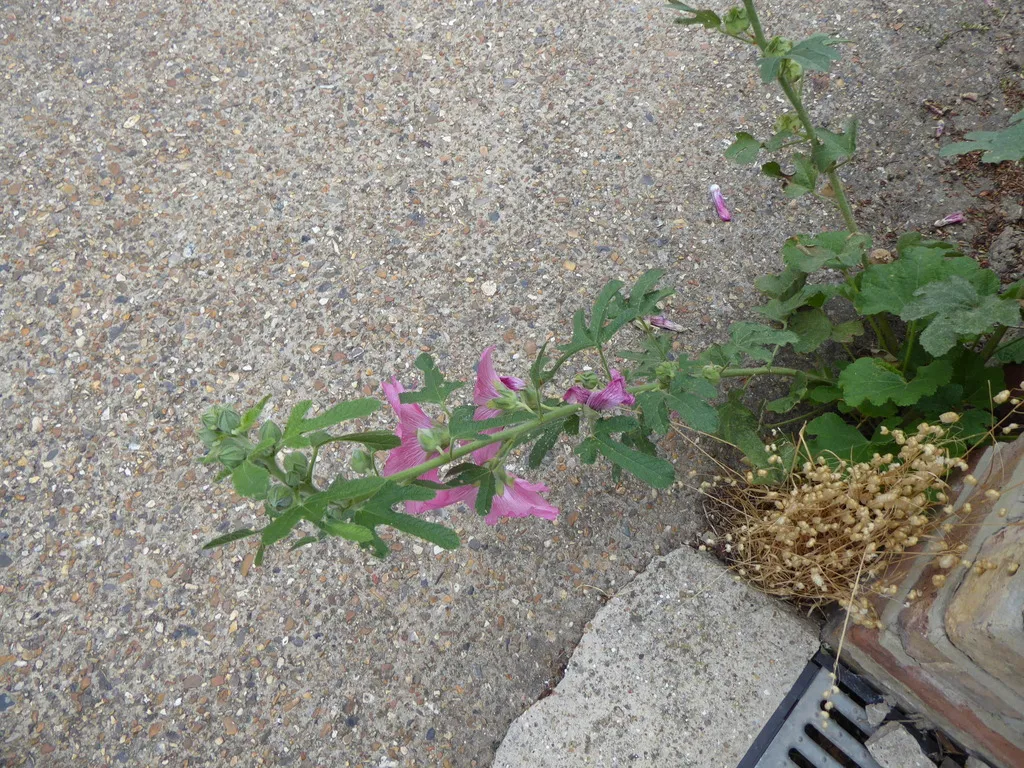
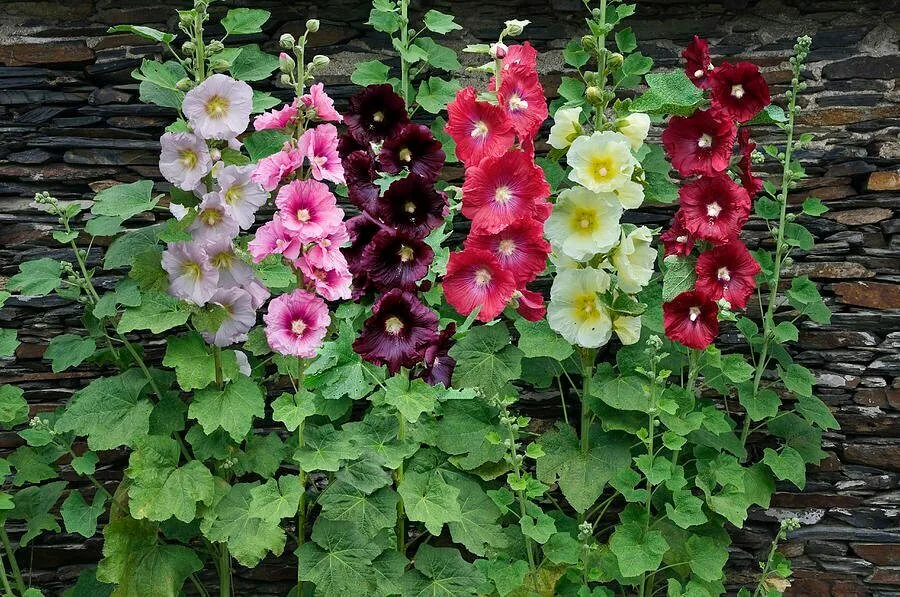
Distribution of hollyhock
Distribution map
- Native
- Introduced
- Cultivated
Source:WCVP v16 · Royal Botanic Gardens, Kew · CC BY 3.0 · Boundaries:WGSRPD / TDWG
Culture
Information to be completed
Toxicity
Information to be completed
Quick identification of hollyhock
Information to be completed
hollyhock care guide
- Moderate regular watering, avoid prolonged drought and stagnant waterlogging
- Watering
- Full sun
- Sunlight
- 15 – 25 °C
- Ideal temperature

Watering
Moderate regular watering, avoid prolonged drought and stagnant waterlogging
Fertilizing
 Fertilizing
Balanced perennial feed every four weeks spring through summer growth
Pruning
 Pruning
Cut back after flowering
Propagation
 Propagation
Propagate by seed sown in gentle heat in mid-winter or in-situ in spring
Growing
 Growing
Grow in well-drained, moderately fertile soil in full sun. Stake on exposed sites
People also ask
Information to be completed
Common pests and diseases
Diseases
Susceptible to a rust
Pests
Young growth can be attacked by slugs and caterpillars; flea beetles occasionally causes significant defoliation
Explore the plant health library →




