



Planting and Growing old maid's bonnets

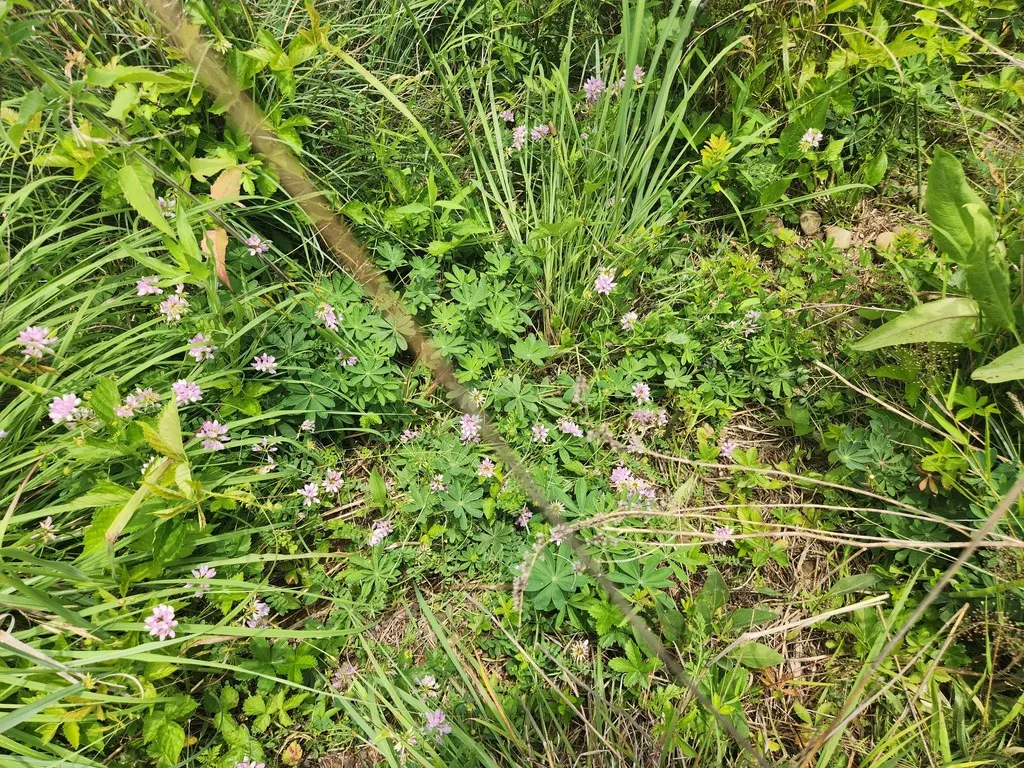
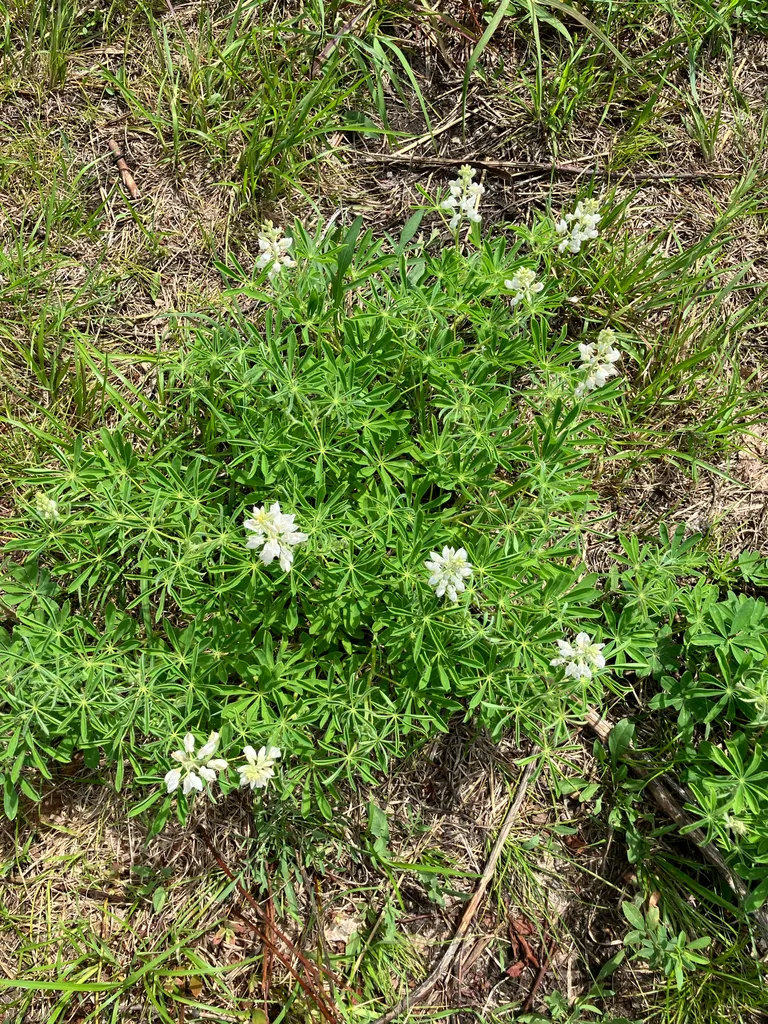
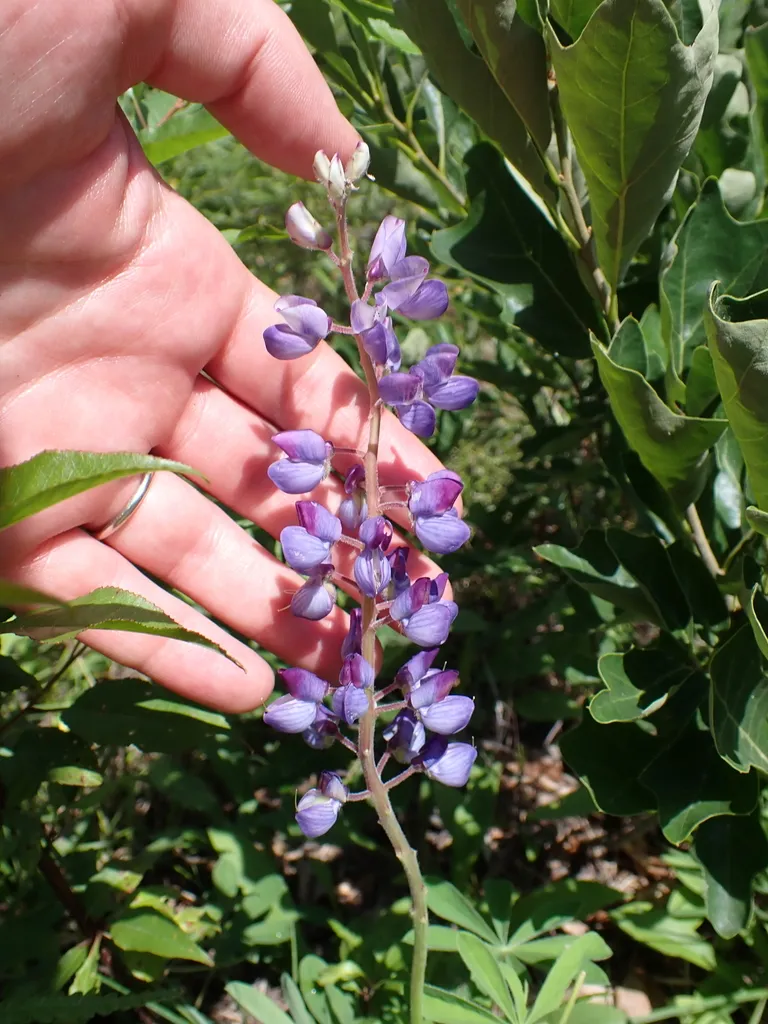
| Care difficulty | 2 / 5 |
|---|---|
| Watering schedule | Evenly moist soil preferred, brief mild dryness will not harm plant roots |
| Sunlight requirements | Full sun · Partial shade |
| Ideal temperature | Information to be completed |
| Soil type | Loam · Sand |
| Soil pH | Acid · Neutral |
| Soil moisture | Well drained |
| Fertilizing | Weak lupine flowering feed biweekly before flower spike emergence stage |
| Toxicity | Harmful if eaten. Wear gloves and other protective equipment when handling |
How to Water old maid's bonnets?
Evenly moist soil preferred, brief mild dryness will not harm plant roots
Learn more →What Are the Sunlight Requirements for old maid's bonnets?
Full sun · Partial shade
Learn more →What Soil Is Best for old maid's bonnets?
- Soil type
- Loam · Sand
- Soil pH
- Acid · Neutral
What Are the Moisture Requirements for old maid's bonnets?
Well drained
Learn more →How to Fertilize old maid's bonnets?

Weak lupine flowering feed biweekly before flower spike emergence stage
Learn more →How to Prune old maid's bonnets?

Deadhead to encourage more flowers, unless seeds are required
Learn more →How to Propagate old maid's bonnets?

Propagate by seed
Learn more →How to Plant old maid's bonnets?
Grow in light, ideally slightly acidic, well-drained soil in full sun or light shade. Water well in summer dry spells.
Learn more →Common Pests & Diseases

Diseases
May be susceptible to powdery mildews, lupin anthracnose and virus diseases
Pests
May be susceptible to lupin aphid, slugs and snails
Explore the plant health library →The Toxicity of old maid's bonnets
Harmful if eaten. Wear gloves and other protective equipment when handling