
old maid's bonnets
Also known as: perennial lupine; Quaker bonnets; sundial; sundial lupin; wild lupine
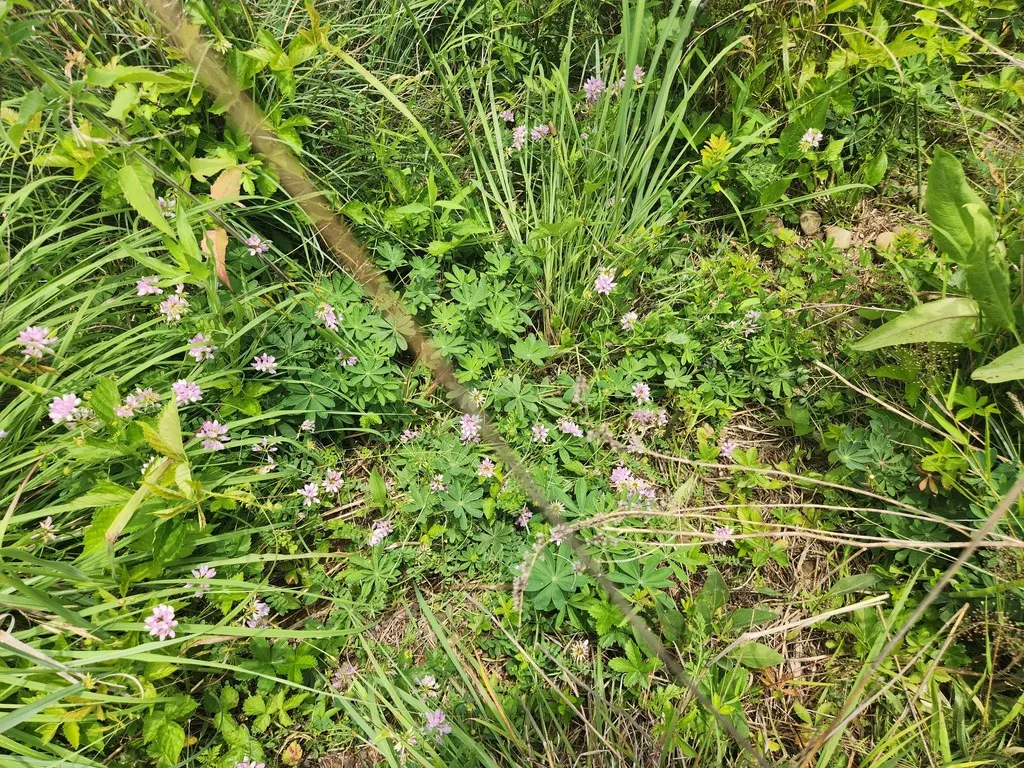
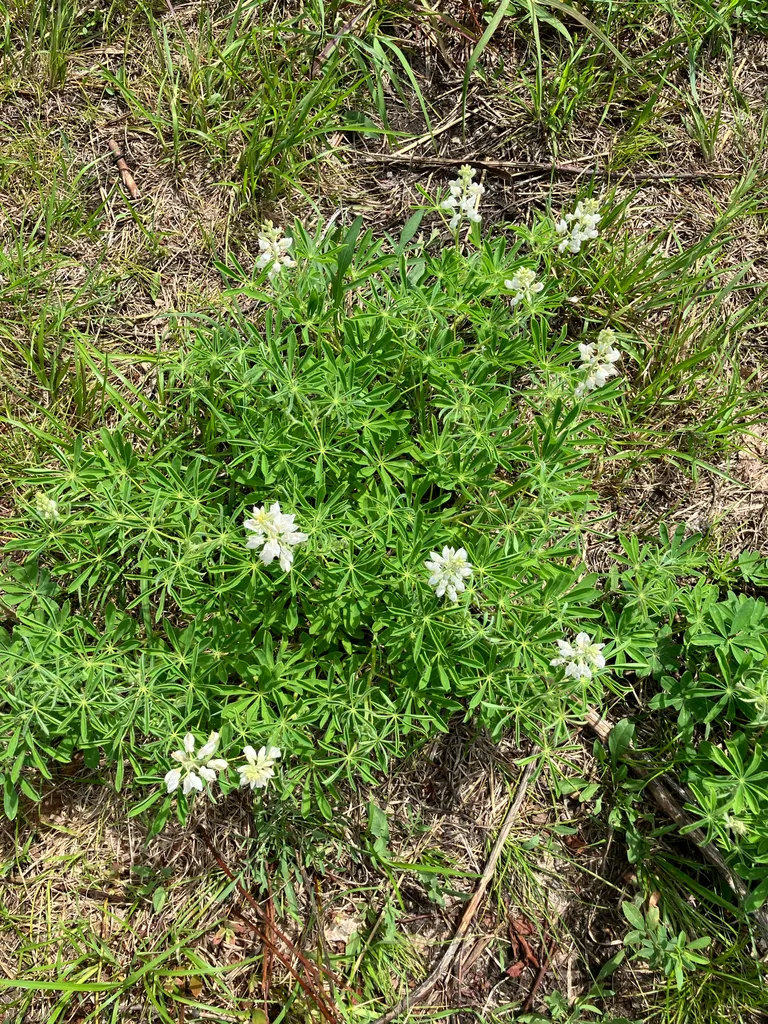
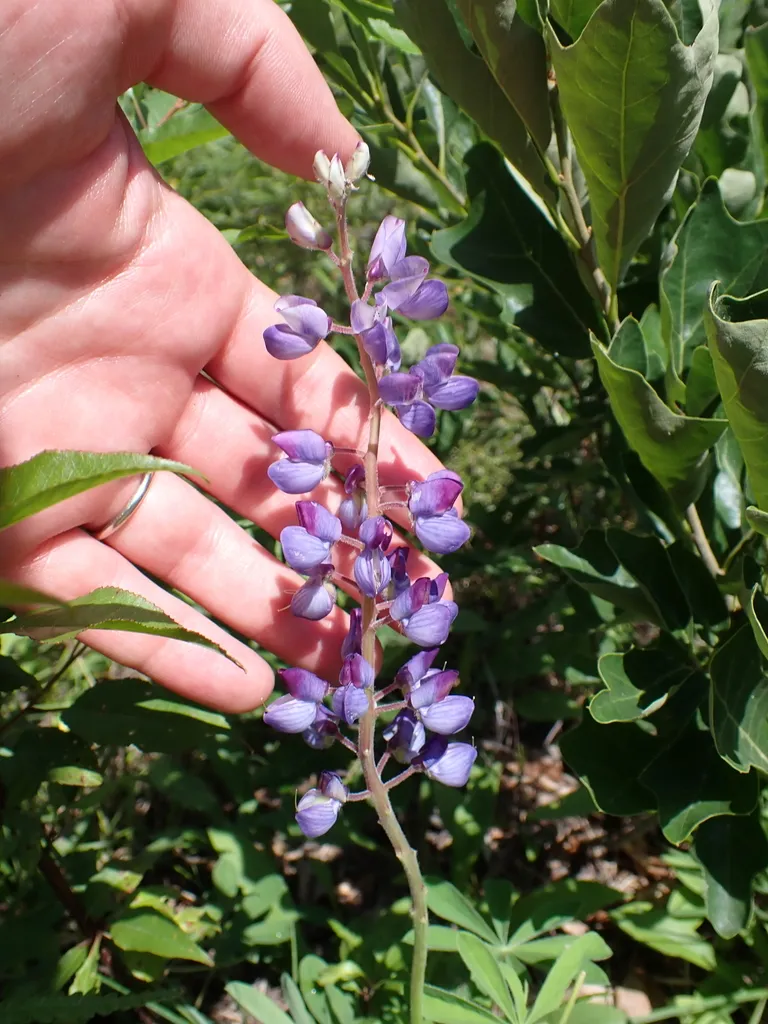
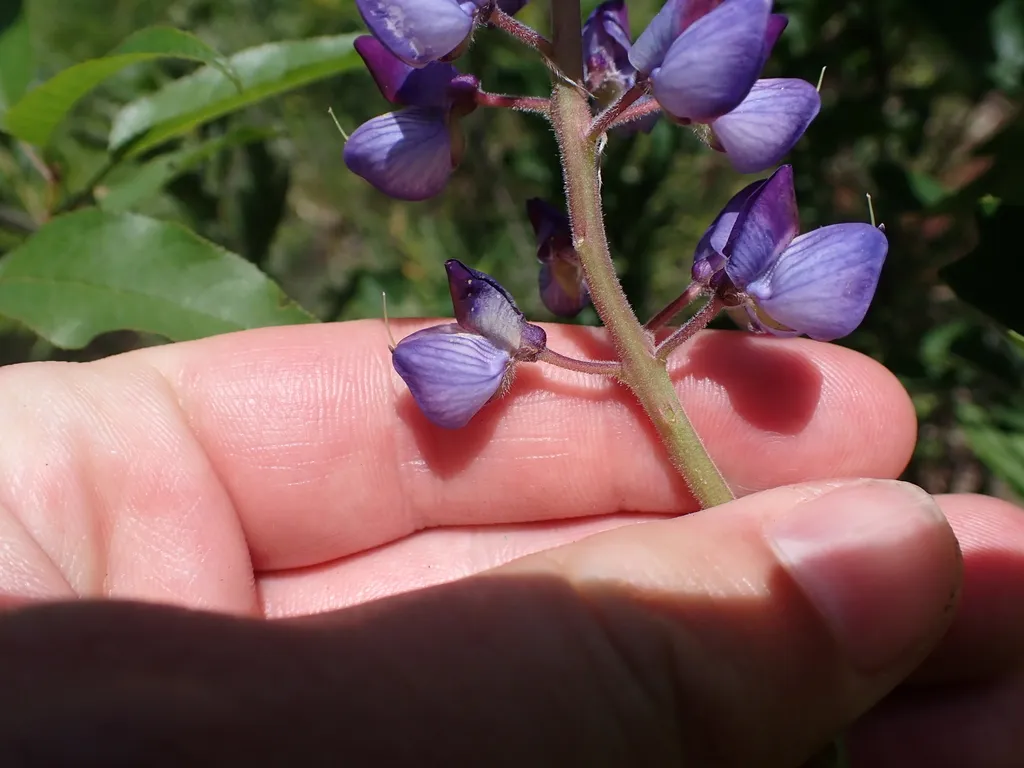
A clump-forming perennial, 60-80cm high, with palmate leaves of up to 11 leaflets. Whorls of pea-like flowers, usually violet-blue but rarely pink or white, are borne on densely hairy, upright stems from late spring to early summer, followed by hairy green pods of seeds
Scientific classification
- Species
- old maid's bonnets (Lupinus perennis)
- Genus
- Lupinus
- Family
- Fabaceae
- Order
- Fabales
- Class
- Magnoliopsida
- Phylum
- Magnoliophyta
- Harmful if eaten. Wear gloves and other protective equipment when handling
- Toxicity
- Herbaceous Perennial
- Plant type
- 0.5-1 metres
- Height
- 0.5-1 metres
- Spread
- Deciduous
- Foliage
- Clump forming · Columnar upright
- Habit
- Spring · Summer · Autumn
- Season of interest
- Full sun · Partial shade
- Sunlight
- Information to be completed
- Ideal temperature









old maid's bonnets pictures
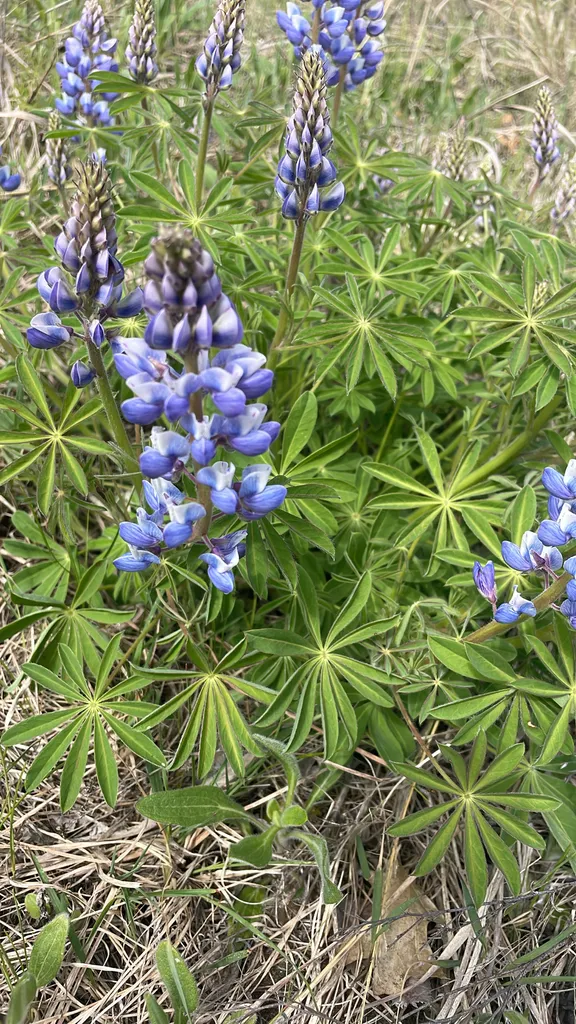
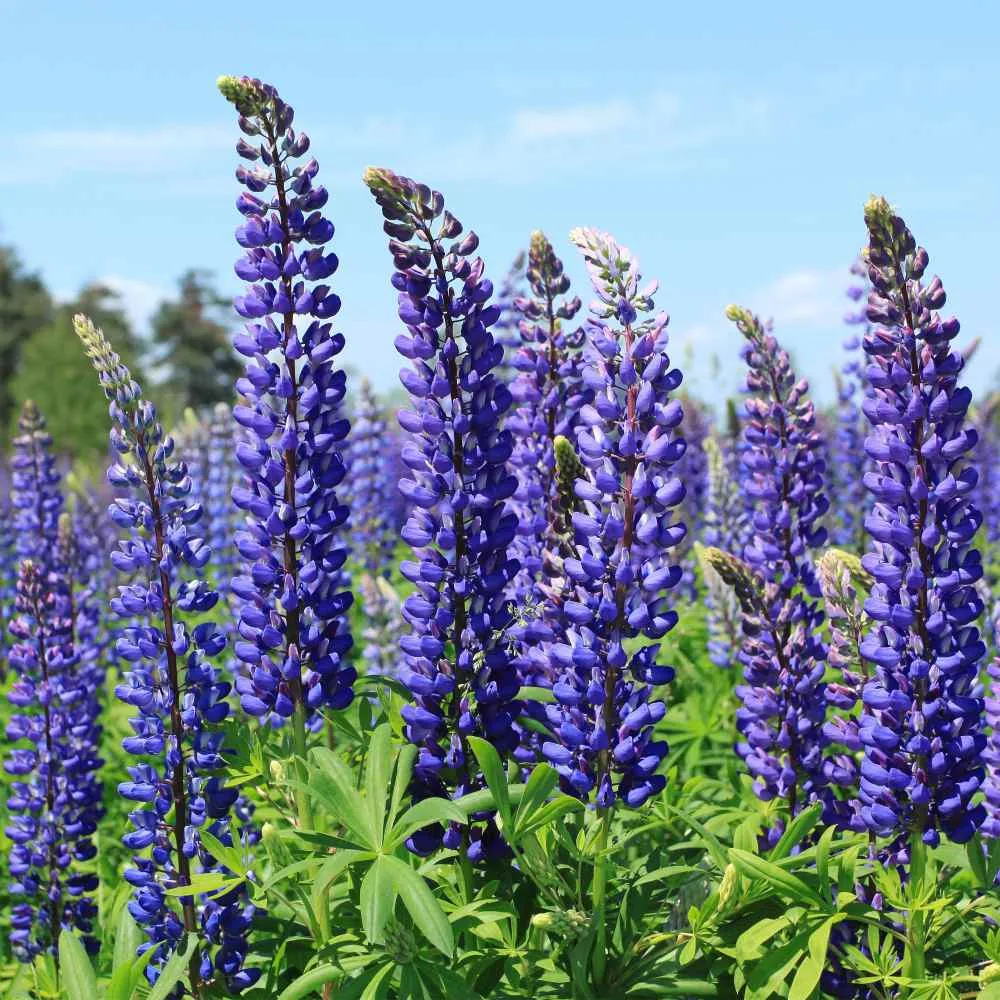
Distribution of old maid's bonnets
Distribution map
- Native
- Introduced
- Cultivated
Source:WCVP v16 · Royal Botanic Gardens, Kew · CC BY 3.0 · Boundaries:WGSRPD / TDWG
Toxicity
Harmful if eaten. Wear gloves and other protective equipment when handling
old maid's bonnets care guide
- Evenly moist soil preferred, brief mild dryness will not harm plant roots
- Watering
- Full sun · Partial shade
- Sunlight

Watering
Evenly moist soil preferred, brief mild dryness will not harm plant roots
Fertilizing
 Fertilizing
Weak lupine flowering feed biweekly before flower spike emergence stage
Pruning
 Pruning
Deadhead to encourage more flowers, unless seeds are required
Propagation
 Propagation
Propagate by seed
Growing
 Growing
Grow in light, ideally slightly acidic, well-drained soil in full sun or light shade. Water well in summer dry spells.
Common pests and diseases
Diseases
May be susceptible to powdery mildews, lupin anthracnose and virus diseases
Pests
May be susceptible to lupin aphid, slugs and snails
Explore the plant health library →




