



Planting and Growing western bleeding heart

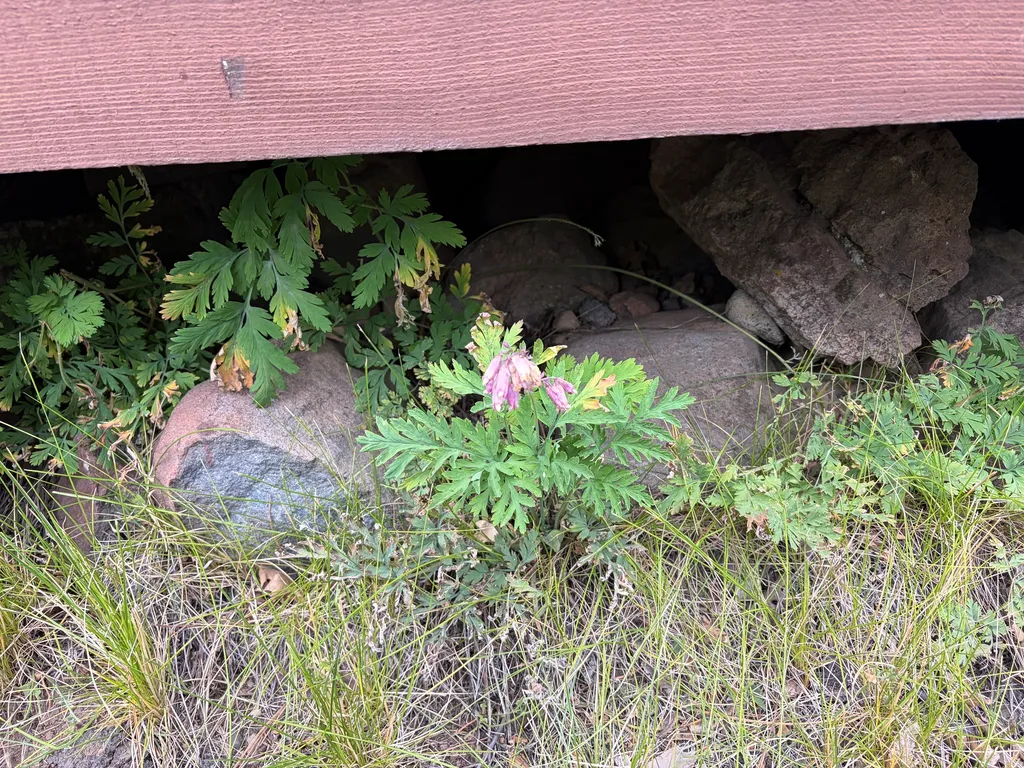
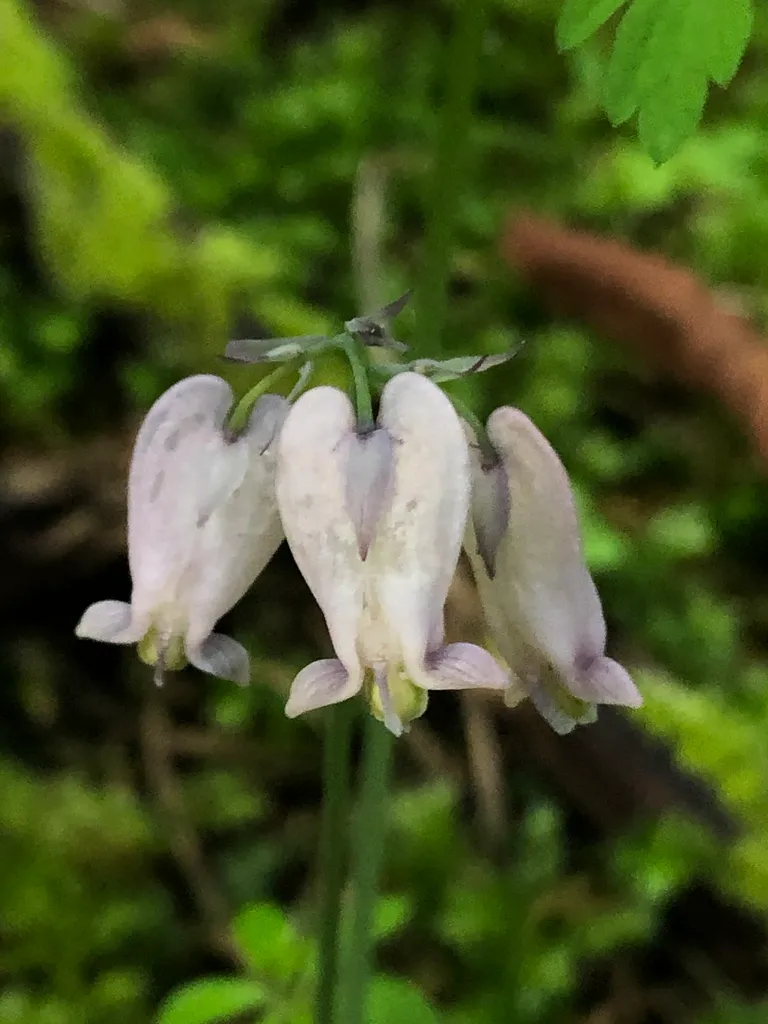
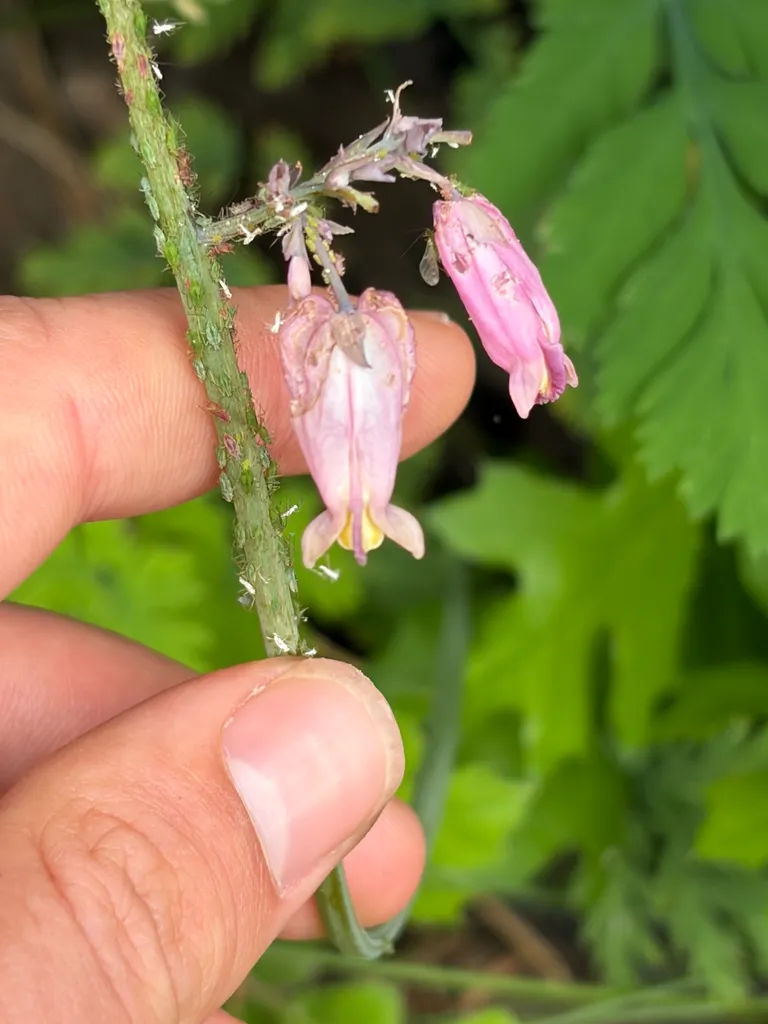
| Care difficulty | 2 / 5 |
|---|---|
| Watering schedule | Lightly moist humus soil, shelter shallow roots from harsh drought |
| Sunlight requirements | Partial shade |
| Ideal temperature | Information to be completed |
| Soil type | Chalk · Clay · Loam |
| Soil pH | Alkaline · Neutral |
| Soil moisture | Moist but well drained |
| Fertilizing | Single slow organic fertilizer application every early spring yearly |
| Toxicity | All parts cause stomach ache if ingested, the foliage may aggravate skin allergies. Wear gloves and other protective equipment when handling] |
How to Water western bleeding heart?
Lightly moist humus soil, shelter shallow roots from harsh drought
Learn more →What Are the Sunlight Requirements for western bleeding heart?
Partial shade
Learn more →What Is the Ideal Temperature Range for western bleeding heart?

Information to be completed
Learn more →What Soil Is Best for western bleeding heart?
- Soil type
- Chalk · Clay · Loam
- Soil pH
- Alkaline · Neutral
What Are the Moisture Requirements for western bleeding heart?
Moist but well drained
Learn more →How to Fertilize western bleeding heart?

Single slow organic fertilizer application every early spring yearly
Learn more →How to Prune western bleeding heart?

No pruning required
Learn more →How to Propagate western bleeding heart?

Propagate by division in early spring or after the leaves have died down. Propagate by seed, sowing seeds as soon as ripe or in spring
Learn more →How to Transplant western bleeding heart?
Information to be completed
Learn more →How to Care for western bleeding heart in Winter?

Information to be completed
Learn more →How to Plant western bleeding heart?
Grow in moist, fertile, humus-rich soil, preferably neutral or slightly alkaline; site in partial shade although will tolerate sunnier spot if the soil is moist
Learn more →How to Repot western bleeding heart?
Information to be completed
Learn more →How to Harvest western bleeding heart?

Information to be completed
Learn more →Common Pests & Diseases

Diseases
Generally disease free
Pests
Slugs and snails can damage emerging foliage
Explore the plant health library →The Toxicity of western bleeding heart
All parts cause stomach ache if ingested, the foliage may aggravate skin allergies. Wear gloves and other protective equipment when handling]