
western bleeding heart
Also known as: common bleeding heart; wild bleeding heart
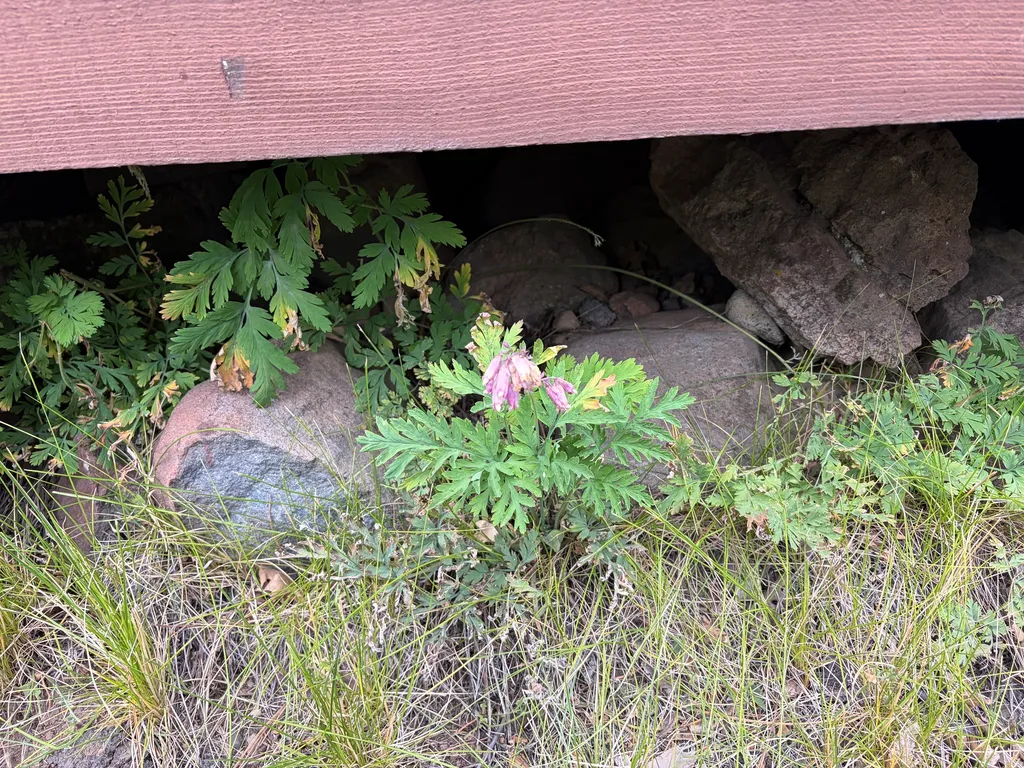
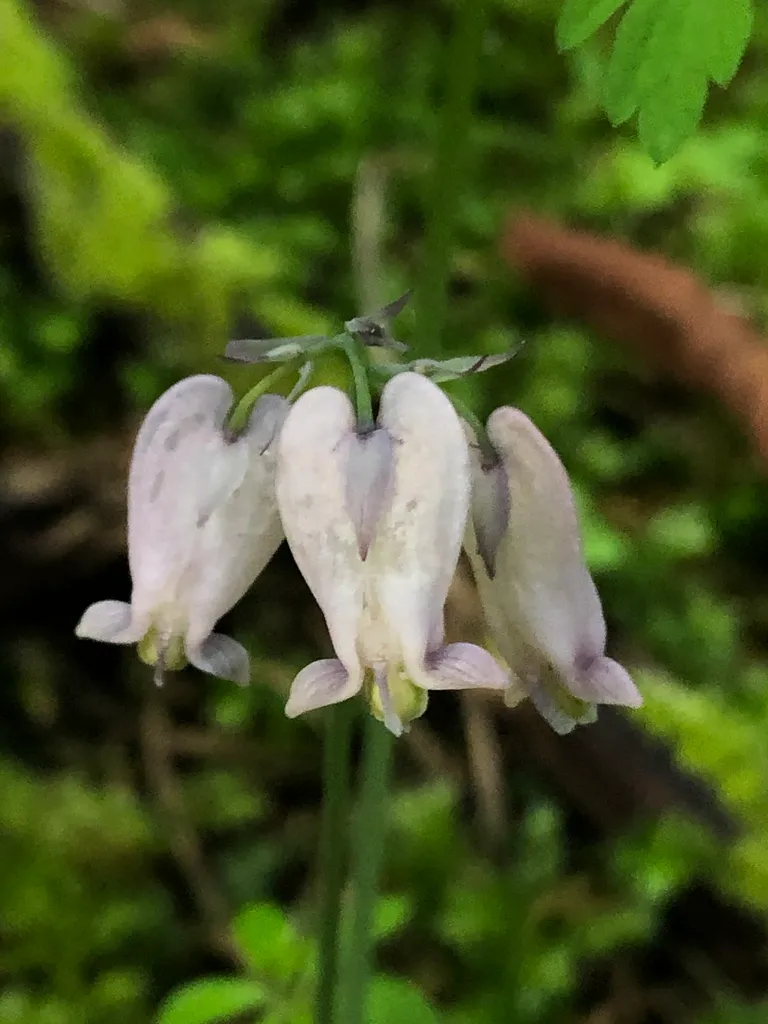
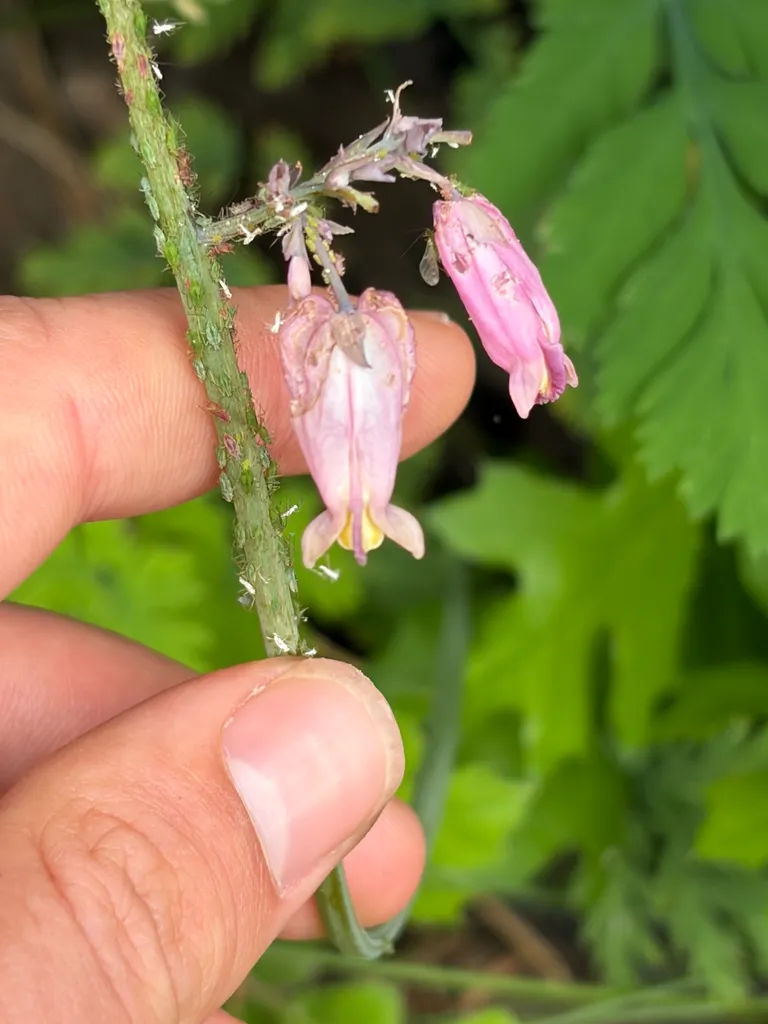
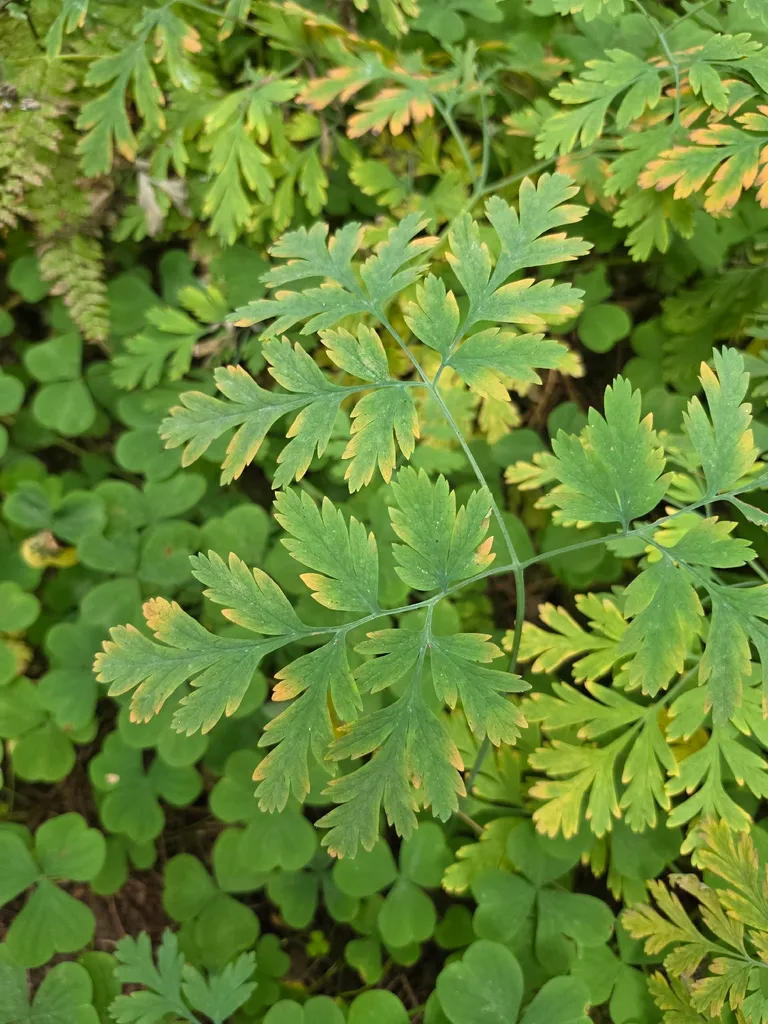
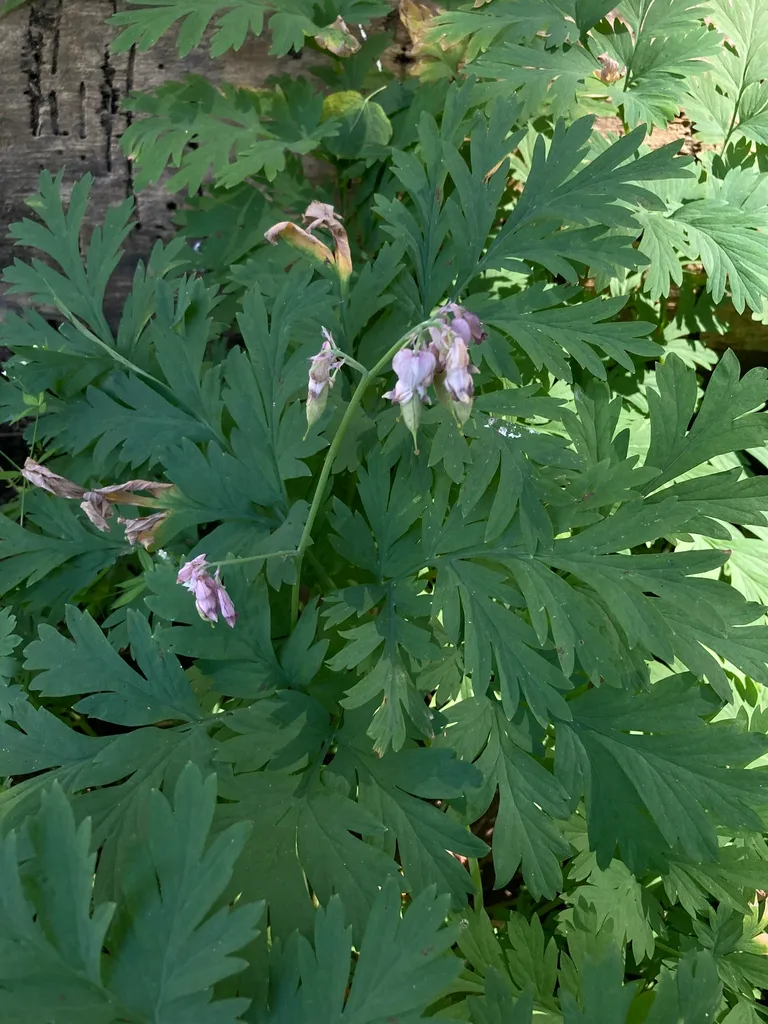
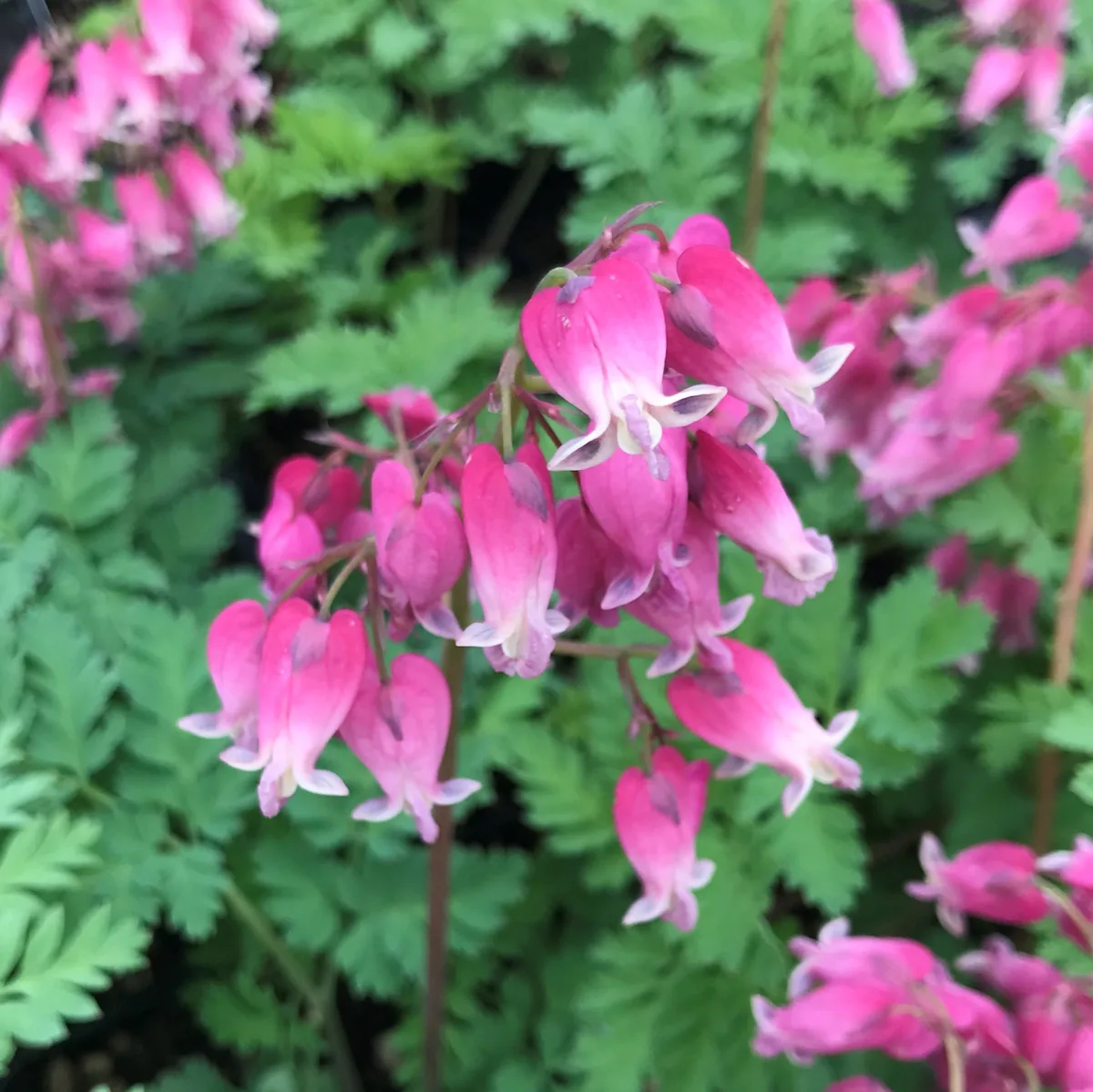
A wide-spreading rhizomatous perennial with abundant, lobed leaves 10-45cm long, mid-green above and glaucous beneath. Pendulous flowers are borne on branching, arching stems in late spring and early summer; usually pink, opening from deep rose-pink buds
Scientific classification
- Species
- western bleeding heart (Dicentra formosa)
- Genus
- Dicentra
- Family
- Papaveraceae
- All parts cause stomach ache if ingested, the foliage may aggravate skin allergies. Wear gloves and other protective equipment when handling]
- Toxicity
- Herbaceous Perennial
- Plant type
- 0.1-0.5 metres
- Height
- 0.5-1 metres
- Spread
- Deciduous
- Foliage
- Clump forming
- Habit
- Spring · Summer
- Season of interest
- Partial shade
- Sunlight
- Information to be completed
- Ideal temperature









western bleeding heart pictures
Distribution of western bleeding heart
Distribution map
Western Northern America
Information to be completed
Culture
Information to be completed
Toxicity
All parts cause stomach ache if ingested, the foliage may aggravate skin allergies. Wear gloves and other protective equipment when handling]
Quick identification of western bleeding heart
Information to be completed
western bleeding heart care guide
- Lightly moist humus soil, shelter shallow roots from harsh drought
- Watering
- Partial shade
- Sunlight
- Information to be completed
- Ideal temperature

Watering
Lightly moist humus soil, shelter shallow roots from harsh drought
Fertilizing
 Fertilizing
Single slow organic fertilizer application every early spring yearly
Pruning
 Pruning
No pruning required
Propagation
 Propagation
Propagate by division in early spring or after the leaves have died down. Propagate by seed, sowing seeds as soon as ripe or in spring
Growing
 Growing
Grow in moist, fertile, humus-rich soil, preferably neutral or slightly alkaline; site in partial shade although will tolerate sunnier spot if the soil is moist
People also ask
Information to be completed
Common pests and diseases
Diseases
Generally disease free
Pests
Slugs and snails can damage emerging foliage
Explore the plant health library →




