



Planting and Growing Chinese horse chestnut

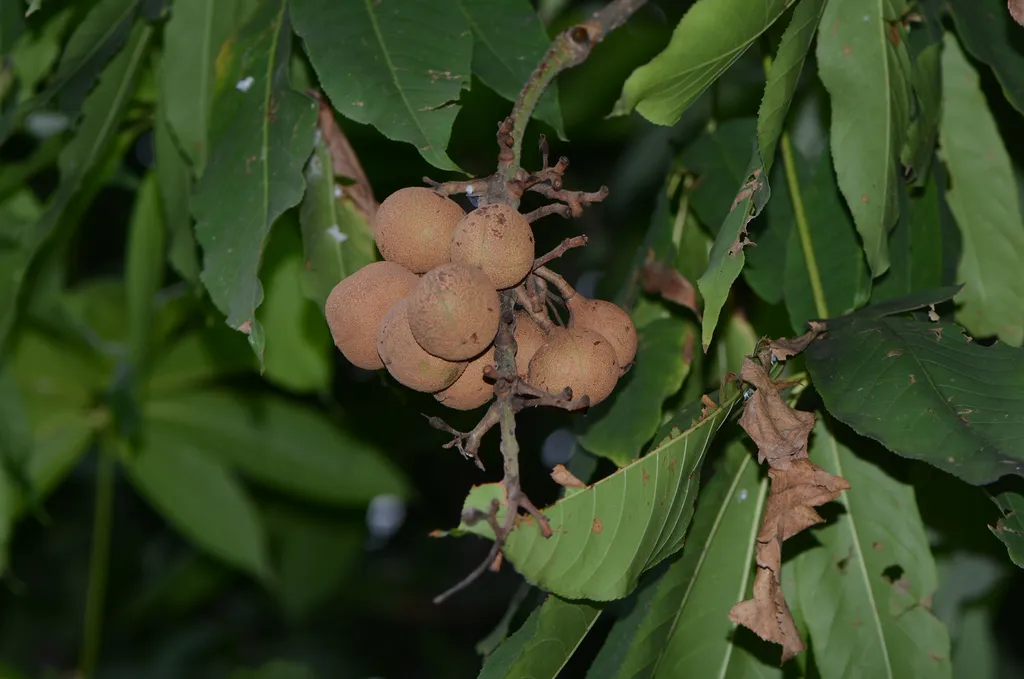
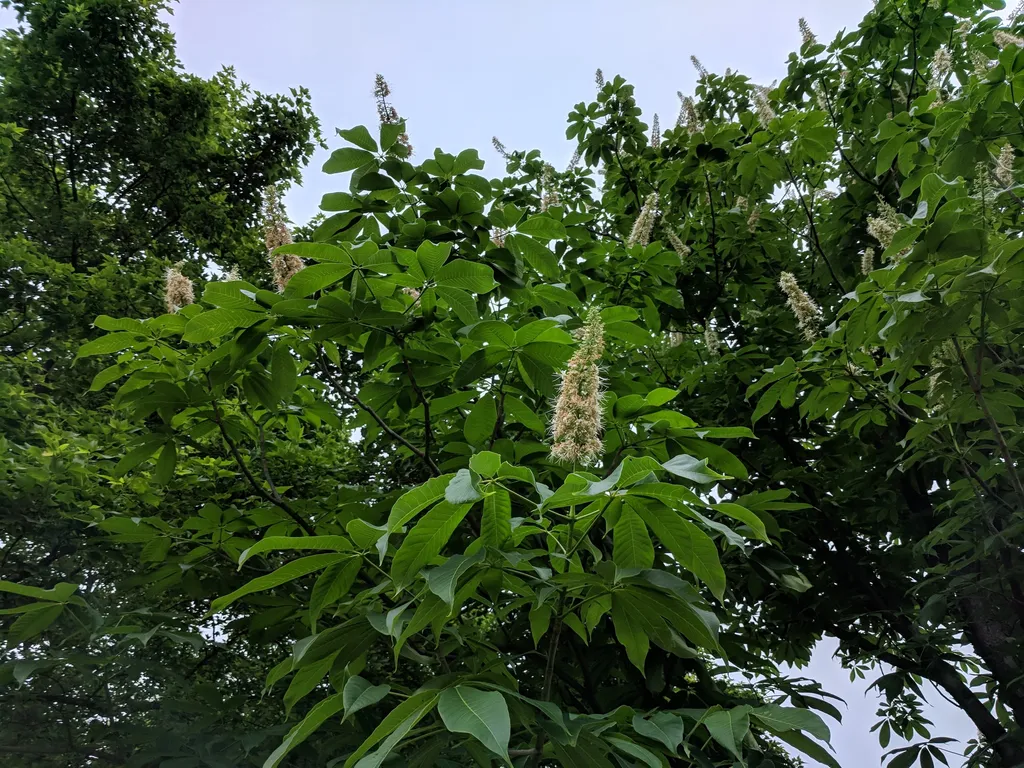
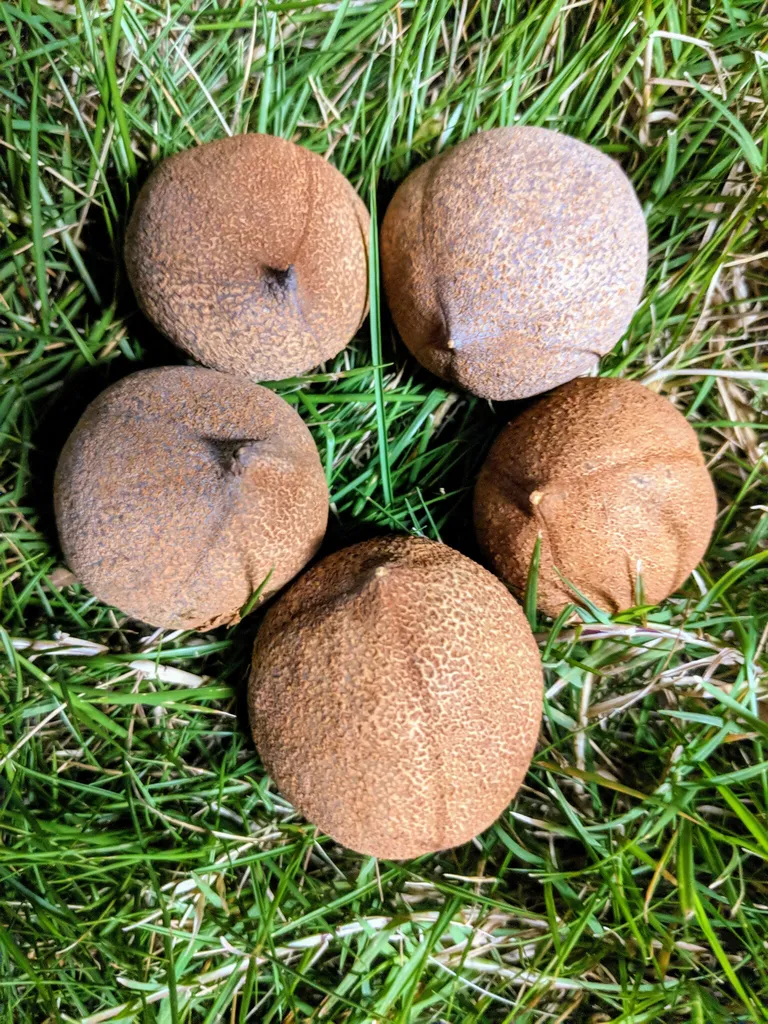
| Care difficulty | 2 / 5 |
|---|---|
| Watering schedule | Deep watering once deep soil dries, less irrigation needed during cold winter |
| Sunlight requirements | Full sun |
| Ideal temperature | Information to be completed |
| Soil type | Chalk · Clay · Loam · Sand |
| Soil pH | Acid · Alkaline · Neutral |
| Soil moisture | Moist but well drained · Well drained |
| Fertilizing | Deciduous tree balanced feed applied once at early spring budding time |
| Toxicity | Information to be completed |
How to Water Chinese horse chestnut?
Deep watering once deep soil dries, less irrigation needed during cold winter
Learn more →What Are the Sunlight Requirements for Chinese horse chestnut?
Full sun
Learn more →What Is the Ideal Temperature Range for Chinese horse chestnut?

Information to be completed
Learn more →What Soil Is Best for Chinese horse chestnut?
- Soil type
- Chalk · Clay · Loam · Sand
- Soil pH
- Acid · Alkaline · Neutral
What Are the Moisture Requirements for Chinese horse chestnut?
Moist but well drained · Well drained
Learn more →How to Fertilize Chinese horse chestnut?

Deciduous tree balanced feed applied once at early spring budding time
Learn more →How to Prune Chinese horse chestnut?

Little pruning is needed. Remove diseased, damaged, crowded or crossing shoots and unwanted growth. Timing depends on the plant: generally late winter or early spring; plants prone to bleeding and deciduous magnolias need different timing, and deciduous azaleas and lilacs are pruned after flowering.
Learn more →How to Propagate Chinese horse chestnut?

Propagate by semi-ripe cuttings or seed. For more advice see our information on how to propagate from seed (tree/shrub
Learn more →How to Transplant Chinese horse chestnut?
Information to be completed
Learn more →How to Care for Chinese horse chestnut in Winter?

Information to be completed
Learn more →How to Plant Chinese horse chestnut?
Grows best in deep, fertile, moist but well-drained soil in a warm sunny position for best results. For further information, see our advice on tree cultivation
Learn more →How to Repot Chinese horse chestnut?
Information to be completed
Learn more →How to Harvest Chinese horse chestnut?

Information to be completed
Learn more →Common Pests & Diseases

Diseases
May be susceptible to coral spot, canker and leaf spot
Pests
May be susceptible to Horse chestnut scale and leaf-mining moth
Explore the plant health library →The Toxicity of Chinese horse chestnut
Information to be completed