
Chinese horse chestnut
Also known as: Information to be completed
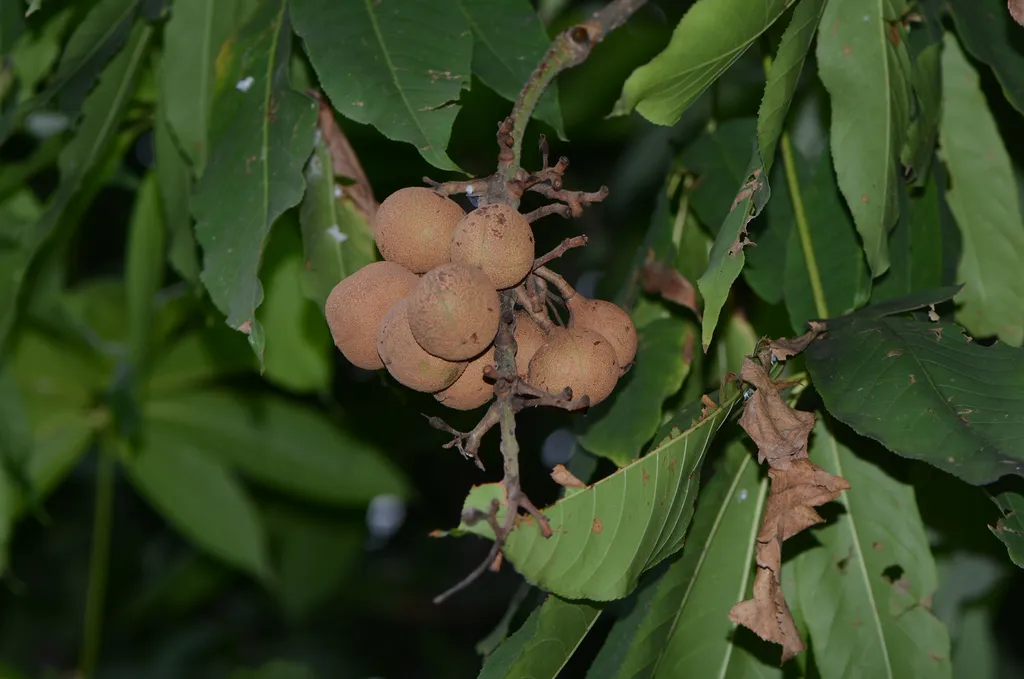
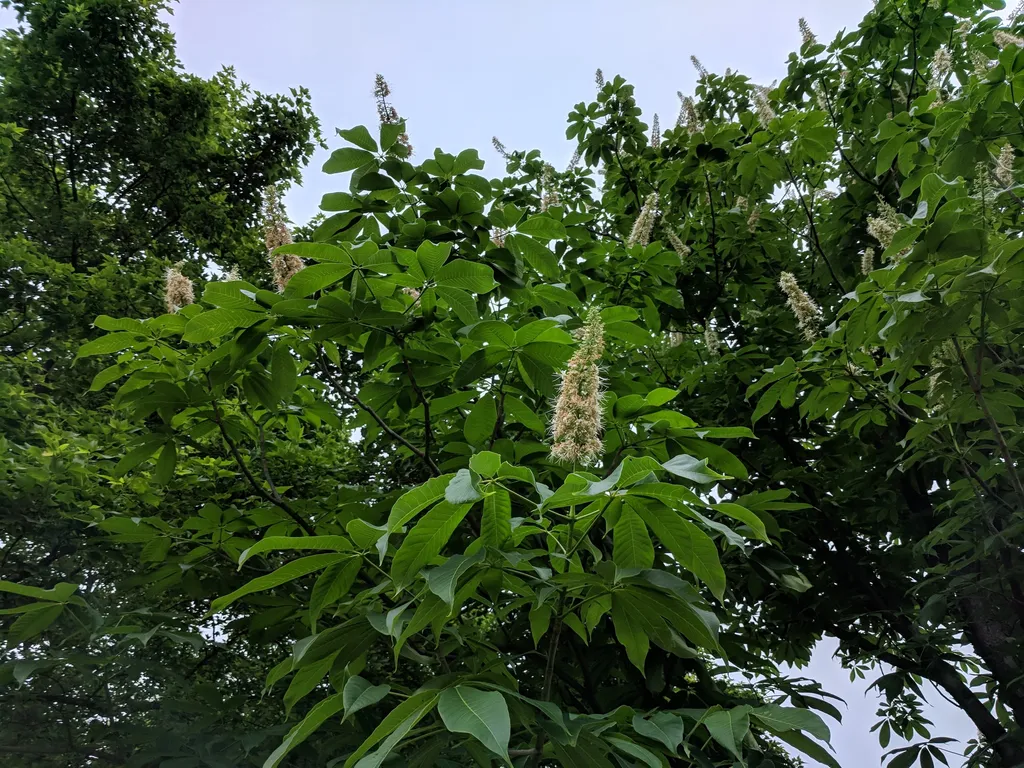
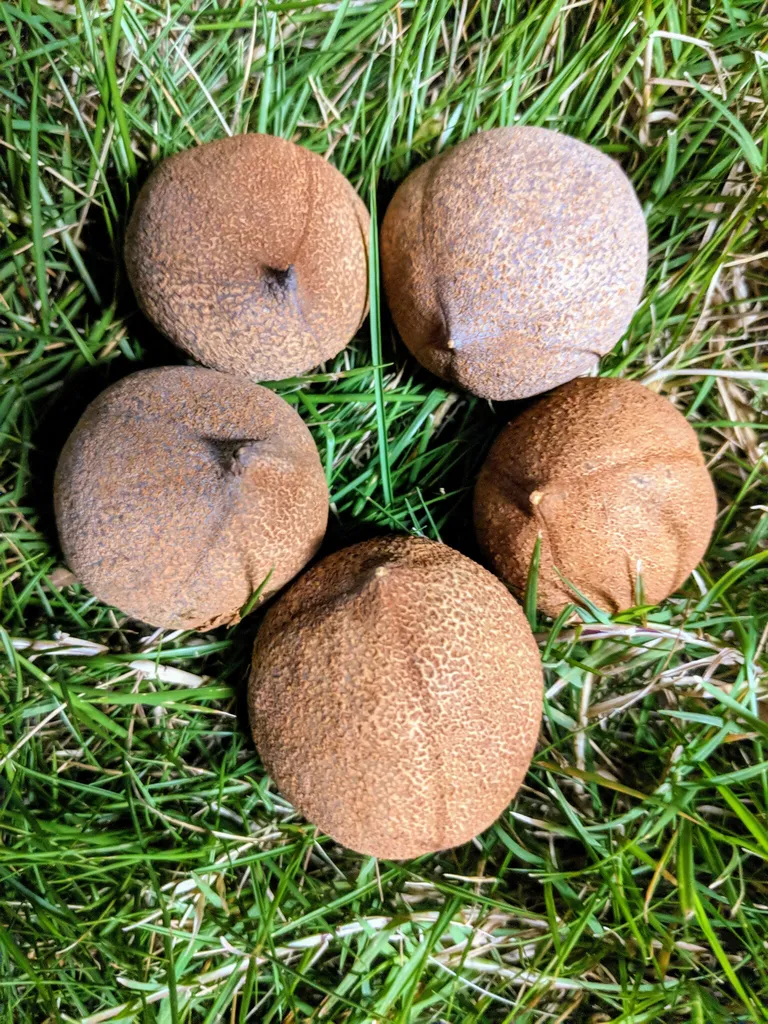
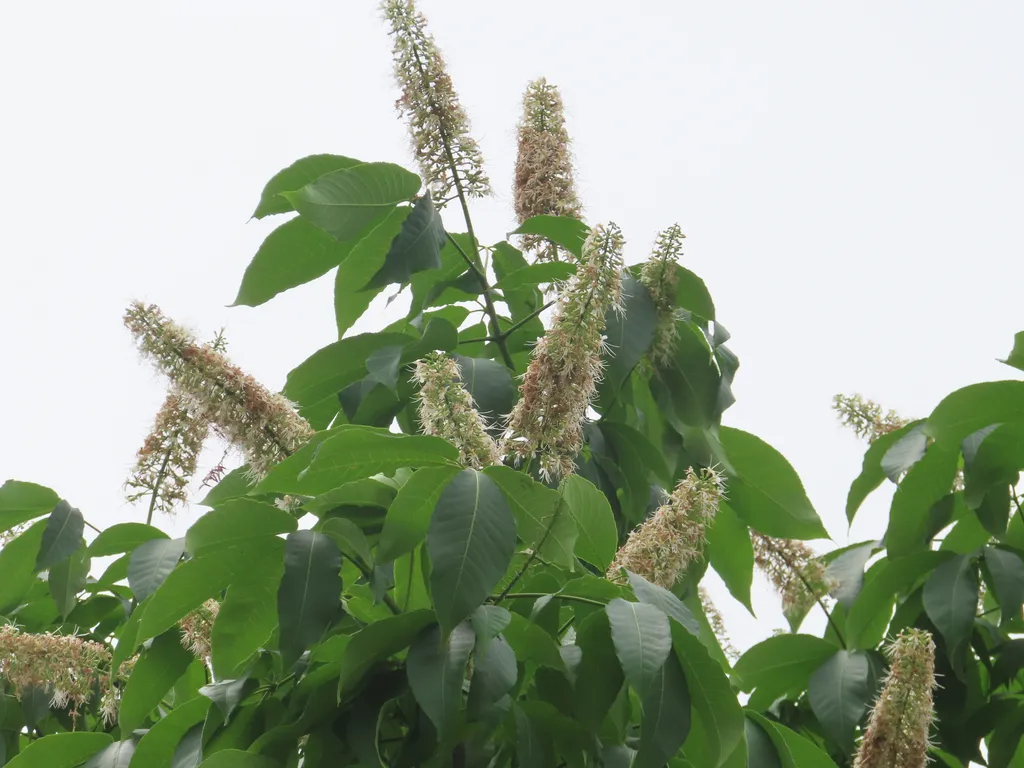
A broad-crowned, deciduous tree up to 15m tall, with palmate mid-green leaves with 5-7 leaflets. The white flowers with protruding stamens are producted inpanicles upto 30cm tall in mid-summer and followed by rough-skined round fruit up to 2.5cm across
Scientific classification
- Species
- Chinese horse chestnut (Aesculus chinensis)
- Genus
- Aesculus
- Family
- Sapindaceae
- Information to be completed
- Toxicity
- Trees
- Plant type
- Higher than 12 metres
- Height
- 4-8 metres
- Spread
- Deciduous
- Foliage
- Information to be completed
- Habit
- Autumn · Spring · Summer
- Season of interest
- Full sun
- Sunlight
- Information to be completed
- Ideal temperature









Chinese horse chestnut pictures
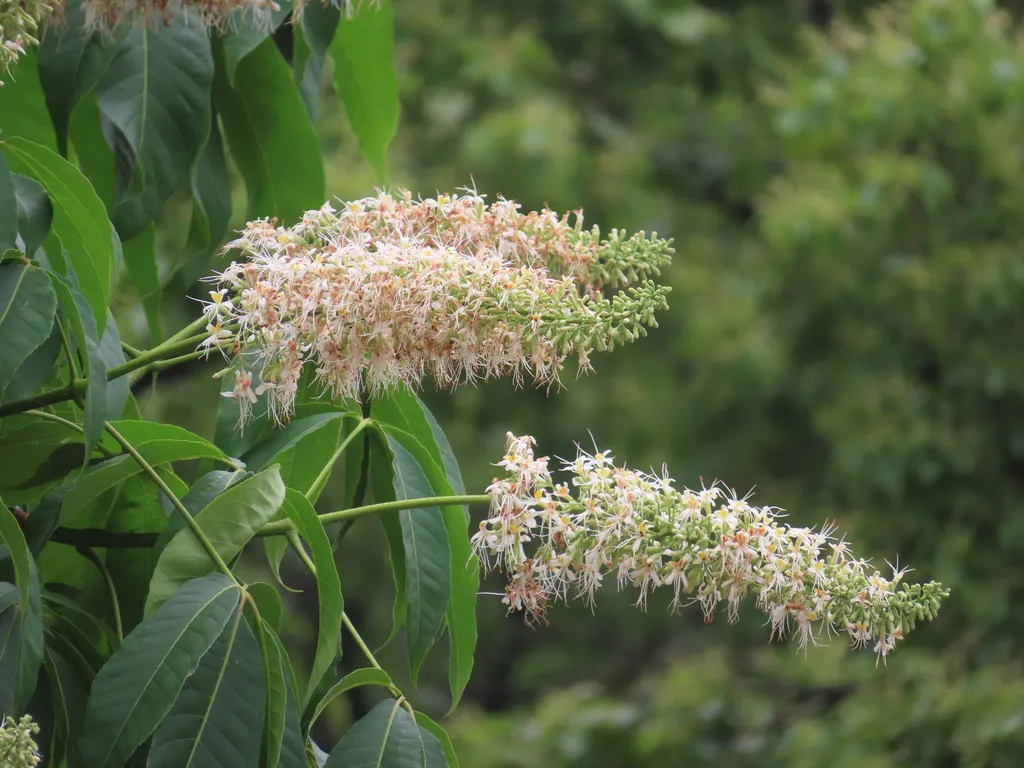
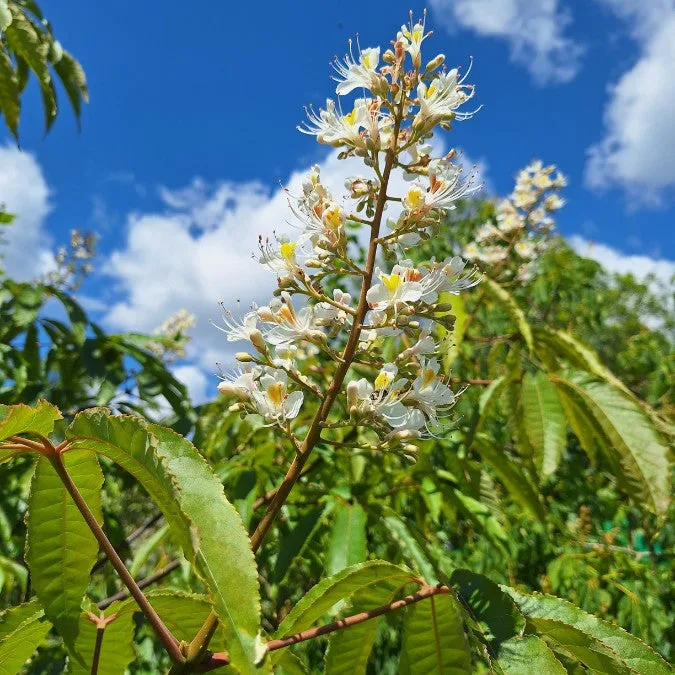
Distribution of Chinese horse chestnut
Distribution map
Northern China
Information to be completed
Culture
Information to be completed
Toxicity
Information to be completed
Quick identification of Chinese horse chestnut
Information to be completed
Chinese horse chestnut care guide
- Deep watering once deep soil dries, less irrigation needed during cold winter
- Watering
- Full sun
- Sunlight
- Information to be completed
- Ideal temperature

Watering
Deep watering once deep soil dries, less irrigation needed during cold winter
Fertilizing
 Fertilizing
Deciduous tree balanced feed applied once at early spring budding time
Pruning
 Pruning
Little pruning is needed. Remove diseased, damaged, crowded or crossing shoots and unwanted growth. Timing depends on the plant: generally late winter or early spring; plants prone to bleeding and deciduous magnolias need different timing, and deciduous azaleas and lilacs are pruned after flowering.
Propagation
 Propagation
Propagate by semi-ripe cuttings or seed. For more advice see our information on how to propagate from seed (tree/shrub
Growing
 Growing
Grows best in deep, fertile, moist but well-drained soil in a warm sunny position for best results. For further information, see our advice on tree cultivation
People also ask
Information to be completed
Common pests and diseases
Diseases
May be susceptible to coral spot, canker and leaf spot
Pests
May be susceptible to Horse chestnut scale and leaf-mining moth
Explore the plant health library →




