



Planting and Growing rose moss

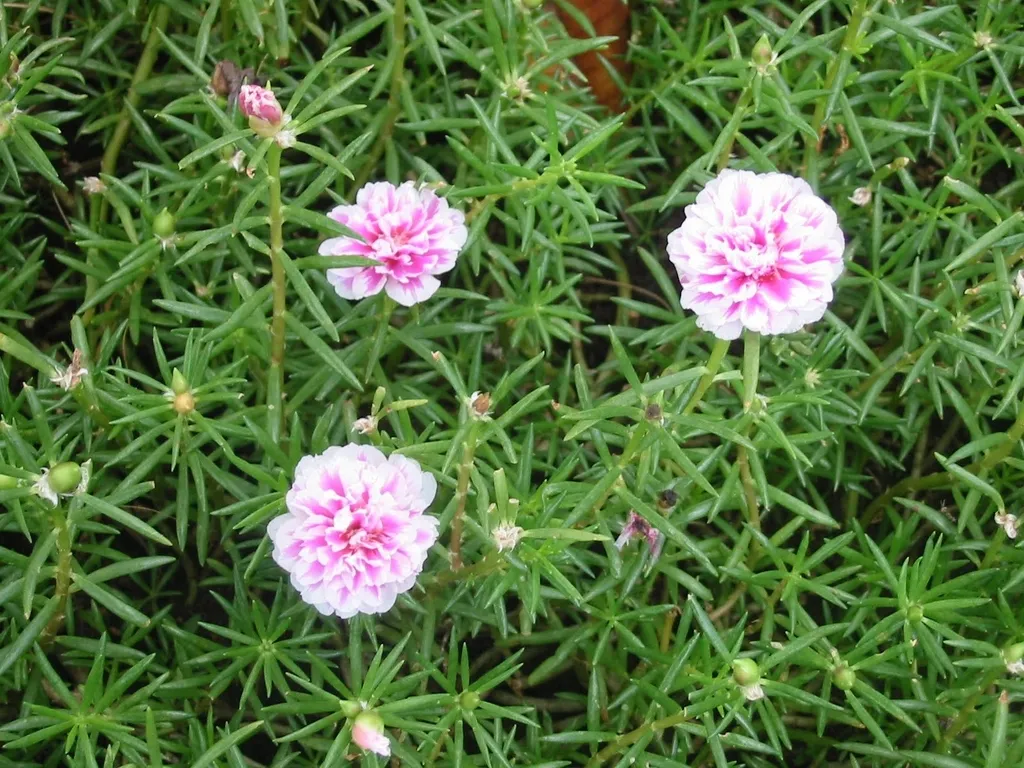
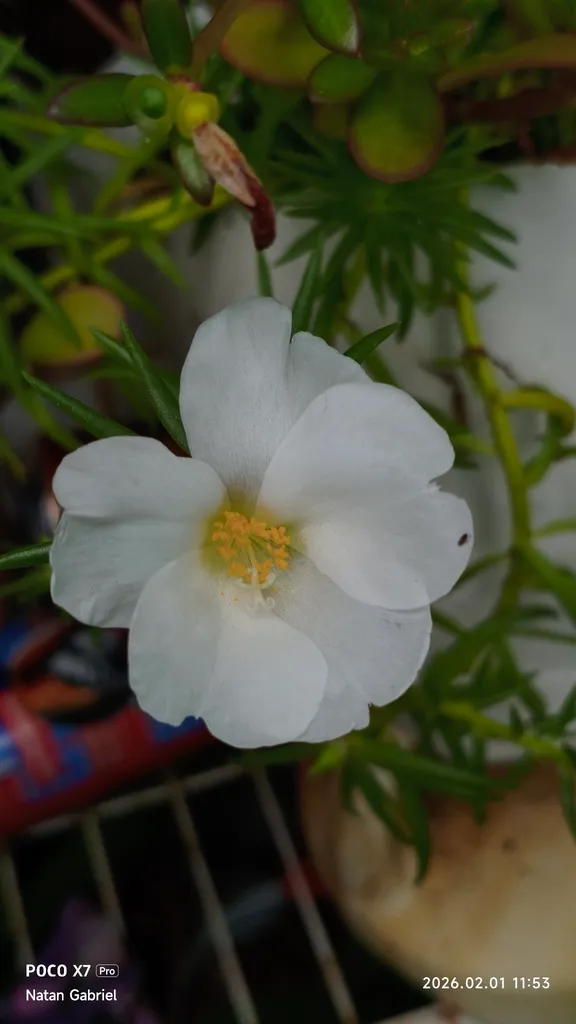
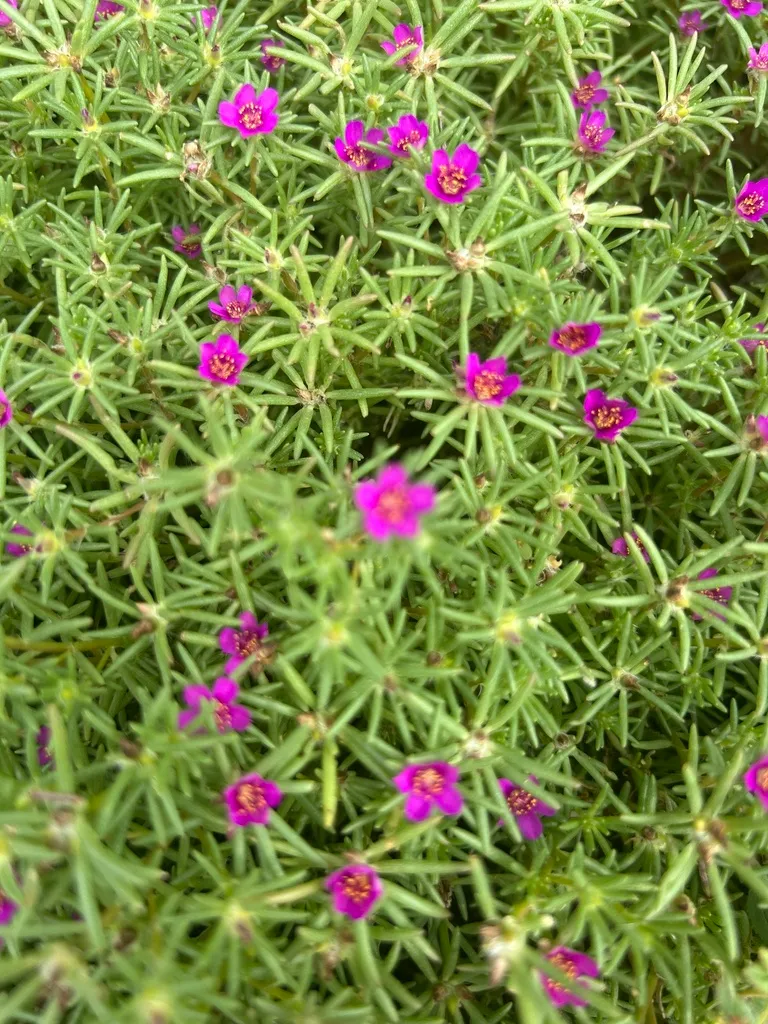
| Care difficulty | 2 / 5 |
|---|---|
| Watering schedule | Moderate regular watering, avoid prolonged drought and stagnant waterlogging |
| Sunlight requirements | Full sun |
| Ideal temperature | 20 – 30 °C |
| Soil type | Chalk · Loam · Sand |
| Soil pH | Acid · Alkaline · Neutral |
| Soil moisture | Well drained |
| Fertilizing | Balanced perennial feed every four weeks spring through summer growth |
| Toxicity | Information to be completed |
How to Water rose moss?
Thriving in its native hot, dry climates, moss rose has evolved to be highly drought-tolerant. This succulent prefers a balance of bright sunlight and occasional moisture, mimicking the arid conditions it's accustomed to. Watering should be moderate, aligning with twice a week to maintain optimum health without over-saturating the soil. As an outdoor plant that revels in full sun exposure, moss rose is particularly adept at conserving water within its fleshy leaves and stems during the peak growing season.
Learn more →What Are the Sunlight Requirements for rose moss?
Moss rose thrives best under full sun exposure, requiring at least 6 to 8 hours of direct sunlight daily to optimize its growth, health, and flowering. It can tolerate partial sun, though reduced light levels may lead to diminished blooms and less vigorous growth. In regions with intense light, moss rose’s foliage can adapt to mitigate potential stress, maintaining its vibrant color. Optimal outdoors planting positions are open areas with clear exposure to the sky. Under these conditions, moss rose exhibits high resilience and robust flowering.
Learn more →What Is the Ideal Temperature Range for rose moss?

Moss rose prefers warm environments. It grows best in 15 to 28 ℃. If the temperature is below 10 ℃, it will grow poorly. Within the ideal temperature range, the higher the temperature, the faster it grows. It's drought-tolerant, but not resistant to waterlogging. In summer, sufficient moisture is good for flowering, but not to point of soggy soil. If the soil is too damp for too long, it can cause the leaves to wilt and even the roots to rot.
Learn more →What Soil Is Best for rose moss?
Moss rose thrives in well-draining soil to prevent root rot. A potting mix suitable for succulents and cacti is ideal. If unavailable, combine equal parts peat, coarse sand, and perlite to ensure aeration and drainage. To further enhance growth, mix in a slow-release fertilizer at planting and bi-annually. Avoid heavy, water-retentive soils to ensure the plant's health and vigor.
- Soil type
- Chalk · Loam · Sand
- Soil pH
- Acid · Alkaline · Neutral
What Are the Moisture Requirements for rose moss?
Well drained
Learn more →How to Fertilize rose moss?

Fertilize moss rose bi-weekly during its growing season with diluted succulent or cacti food to bolster bloom production and vigor. The fertilizer should be half-strength, promoting flowering without risking root burn. Refrain from fertilizing in dormancy; instead, resume as spring growth appears. For accurate dosage, follow specific recommendations on the fertilizer packaging. As over-fertilizing can harm moss rose, apply precisely and avoid contact with foliage. Assess the plant's response to adjust practices if needed, ensuring a balanced nutritional environment for optimal health.
Learn more →How to Prune rose moss?

Moss rose should be promptly pruned during its growing season. Otherwise, its branches spread out, lowering its ornamental value. The main task is to cut off crossed, inward- and densely-growing branches. In late fall, old, dried leaves can be pruned to improve air and light ventilation and prevent pests and diseases. When repotting or changing the soil, cut off rotten, weak and excess roots.
Learn more →How to Propagate rose moss?

Moss rose is a vibrant, succulent groundcover that blooms with multicolored flowers. For its propagation, stem cuttings serve as the most practical approach. Trim a healthy stem and let the cut end callous to prevent rot. Plant it in well-draining soil and maintain consistent moisture without waterlogging. Bright, indirect light aids the rooting process, fostering robust growth. Care in handling the delicate stems ensures successful propagation.
Learn more →How to Transplant rose moss?
To ensure successful transplantation of moss rose, it's best to move them during the heart of spring when temperatures are ideal. Choose a sunny location with well-drained soil. Remember to keep the root ball intact, offering moss rose a seamless transition to their new environment.
Learn more →How to Care for rose moss in Winter?

Information to be completed
Learn more →How to Plant rose moss?
Indoors-potted: When grown indoors, moss rose appreciates a sunny spot and can thrive on neglect. Be cautious of overwatering which can lead to root rot. Outdoors-potted: Moss rose in outdoor pots require minimal care but ensure good drainage to prevent waterlogged roots, especially during rainy seasons. Outdoors-in the ground: In garden soil, moss rose spreads easily and may become invasive; monitor growth and consider containment strategies.
Learn more →How to Repot rose moss?
Moss rose, a vibrant ground cover, should be repotted biennially to ensure robust growth. Opt for repotting in early spring to respect its growth cycle. Pick a pot one size larger for ample space. Provide well-draining soil and moderate watering post-repotting to encourage recovery and further blooming. A friendly reminder: patience is key as moss rose settles in its new home.
Learn more →How to Harvest rose moss?

Moss rose flowers can be harvested for decoration. Harvest them in the morning when the temperature is cool. Select flowers that haven't fully bloomed, cut off the base of the branches at an inclined angle with garden scissors, and insert them into clean water as soon as possible.
Learn more →Common Pests & Diseases

Diseases
Generally disease-free, though seedlings can be susceptible to damping off
Pests
May be susceptible to aphids
Explore the plant health library →The Toxicity of rose moss
Information to be completed