
rose moss
Also known as: eleven o'clock; Kentucky moss; large-flowered purslane; moss rose; sun plant; wax pink; Mexican rose
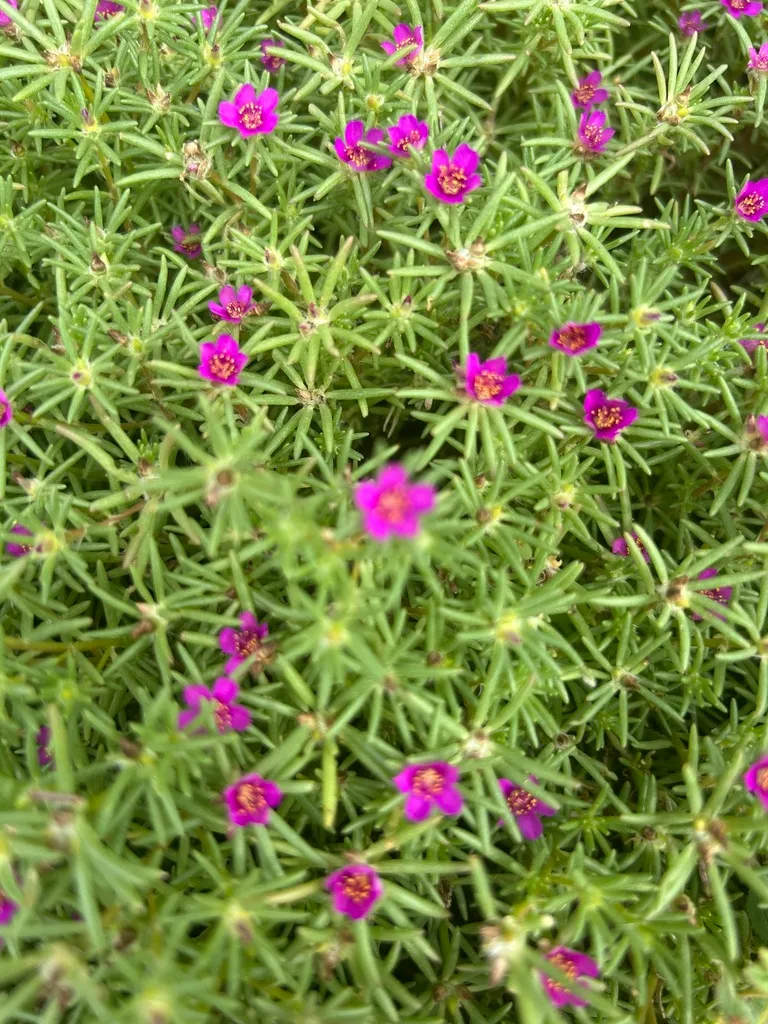
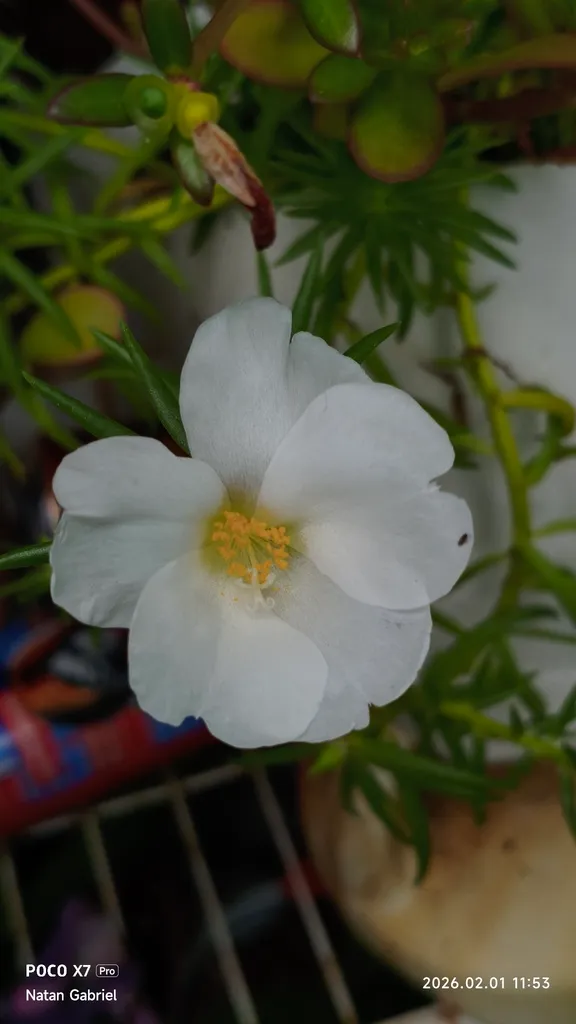
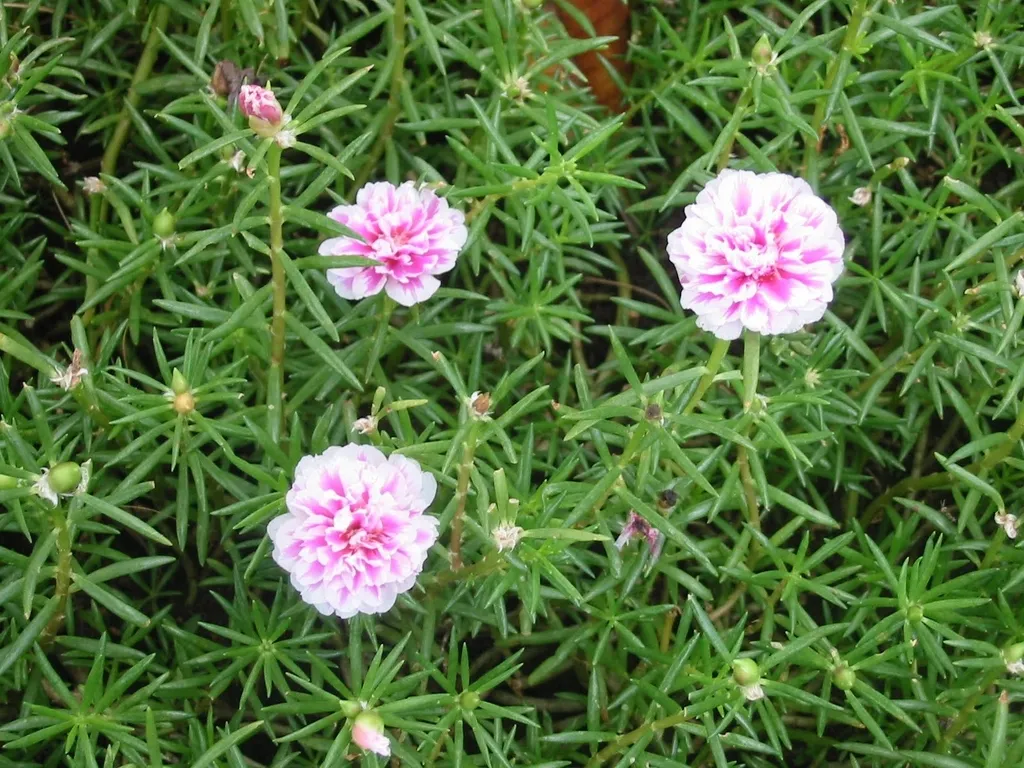
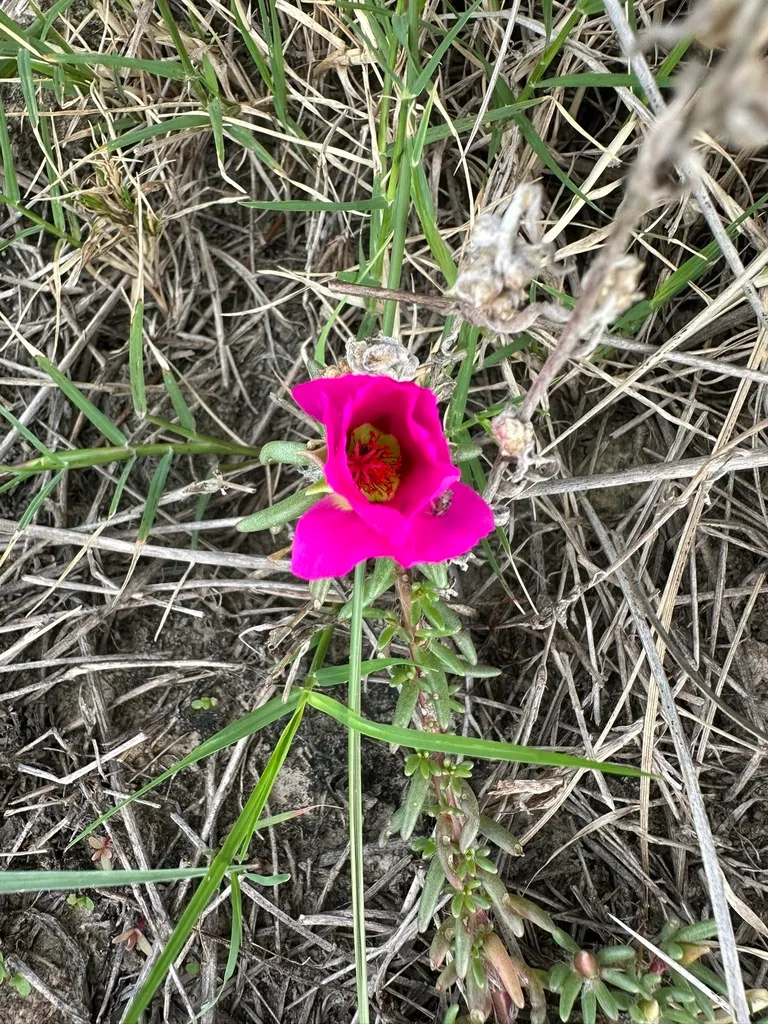
A spreading annual, with prostrate to ascending reddish stems and small, linear, fleshy green leaves. Single or double flowers that open in the sun are produced in summer, in bright shades of red, pink, yellow or white
Scientific classification
- Species
- rose moss (Portulaca grandiflora)
- Genus
- Portulaca
- Family
- Portulacaceae
- Information to be completed
- Toxicity
- Annual Biennial · Cactus Succulent
- Plant type
- 0.1-0.5 metres
- Height
- 0.1-0.5 metres
- Spread
- Deciduous
- Foliage
- Bushy
- Habit
- Spring · Summer
- Season of interest
- Full sun
- Sunlight
- 20 – 30 °C
- Ideal temperature









rose moss pictures
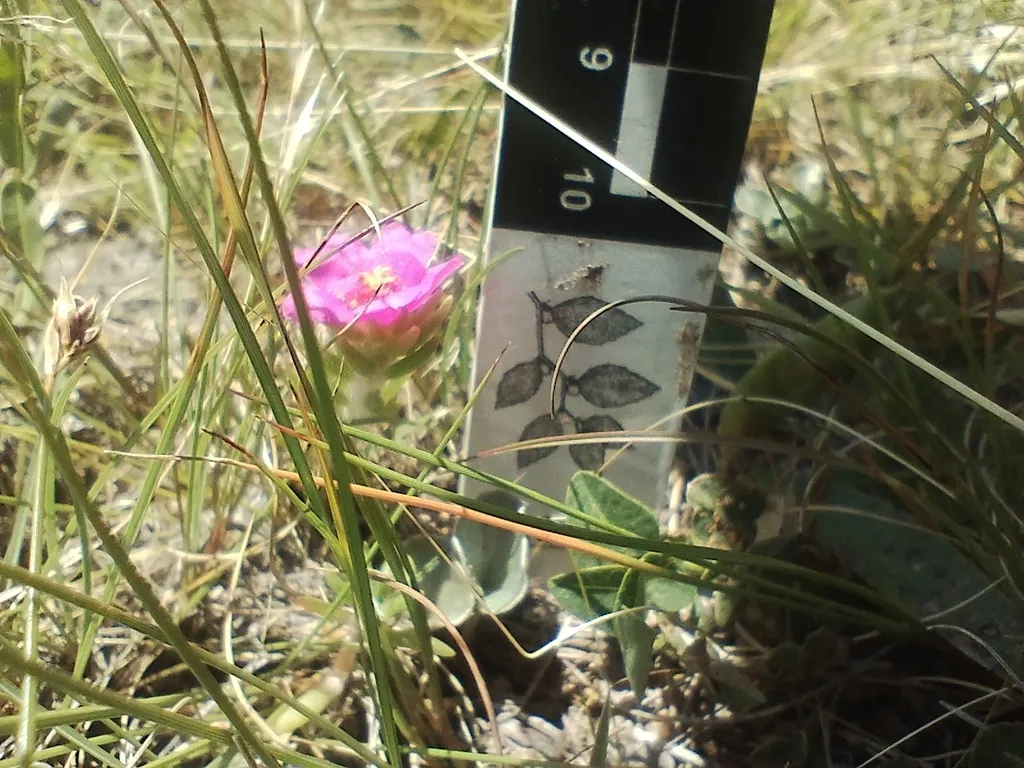
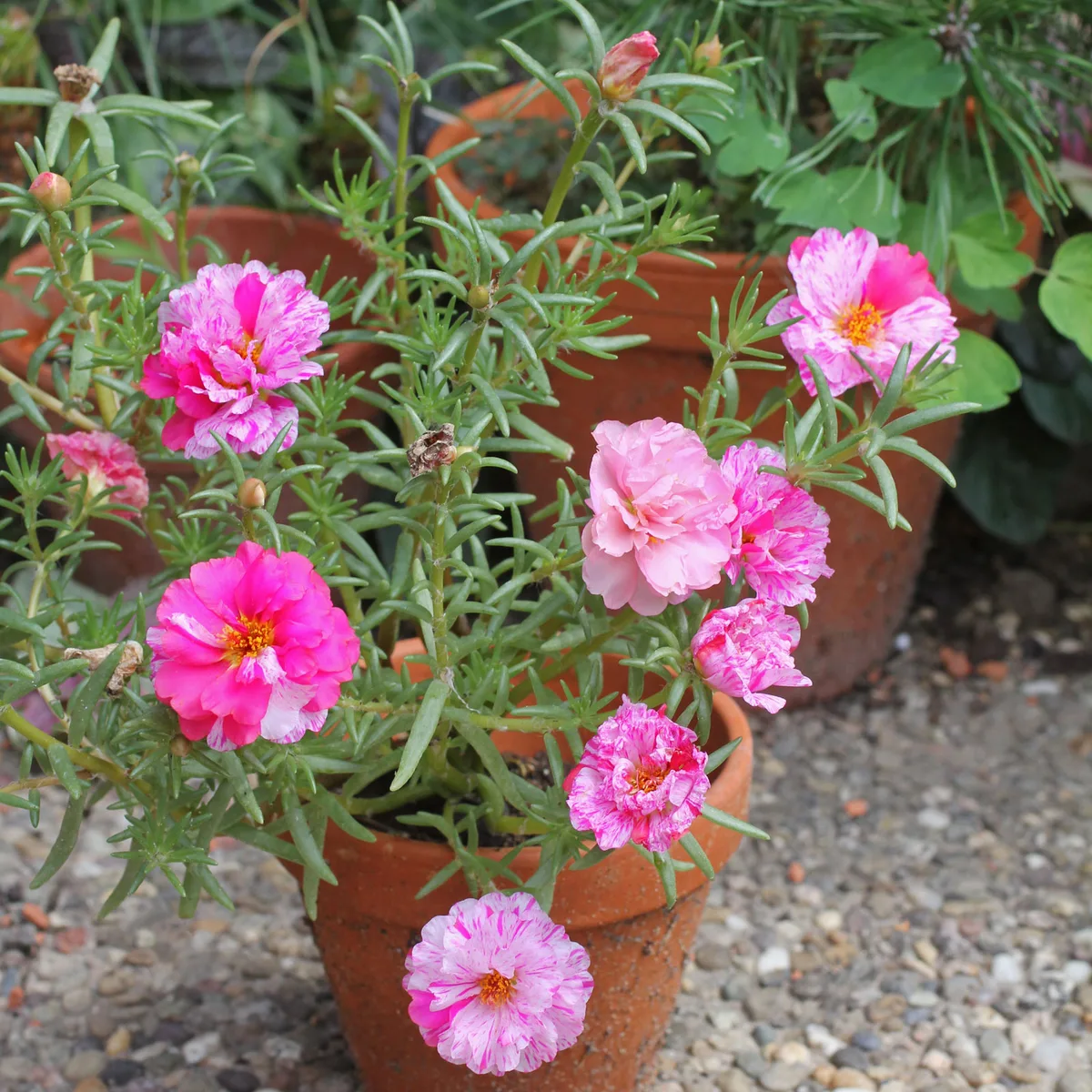
Distribution of rose moss
Distribution map
Information to be completed
Information to be completed
Culture
Information to be completed
Toxicity
Information to be completed
Quick identification of rose moss
Information to be completed
rose moss care guide
- Moderate regular watering, avoid prolonged drought and stagnant waterlogging
- Watering
- Full sun
- Sunlight
- 20 – 30 °C
- Ideal temperature

Watering
Moderate regular watering, avoid prolonged drought and stagnant waterlogging
Fertilizing
 Fertilizing
Balanced perennial feed every four weeks spring through summer growth
Pruning
 Pruning
Deadhead if seed is not required
Propagation
 Propagation
Propagate by seed, sown at 13-18°C in mid-spring; plant out after frosts, taking care to minimise root disturbance. Plants may self-seed in place
Growing
 Growing
Grow in well-drained soil in full sun; thrives in poor, sandy soils
People also ask
Information to be completed
Common pests and diseases
Diseases
Generally disease-free, though seedlings can be susceptible to damping off
Pests
May be susceptible to aphids
Explore the plant health library →




