



Planting and Growing corn plant

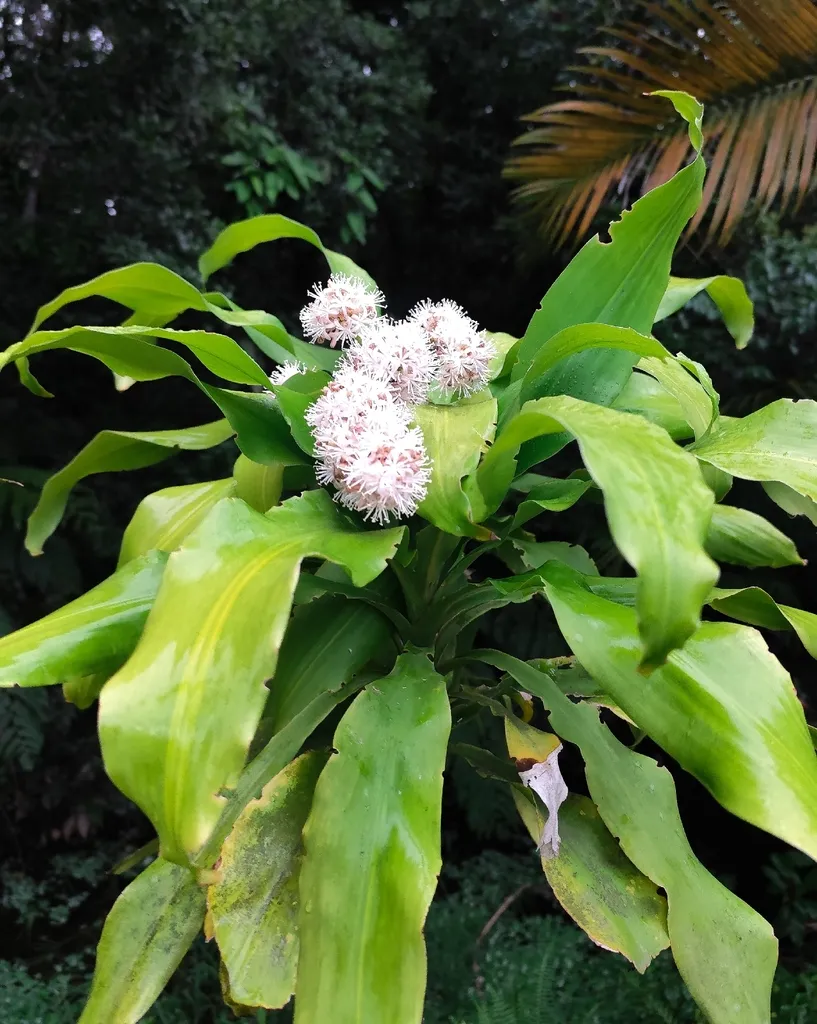
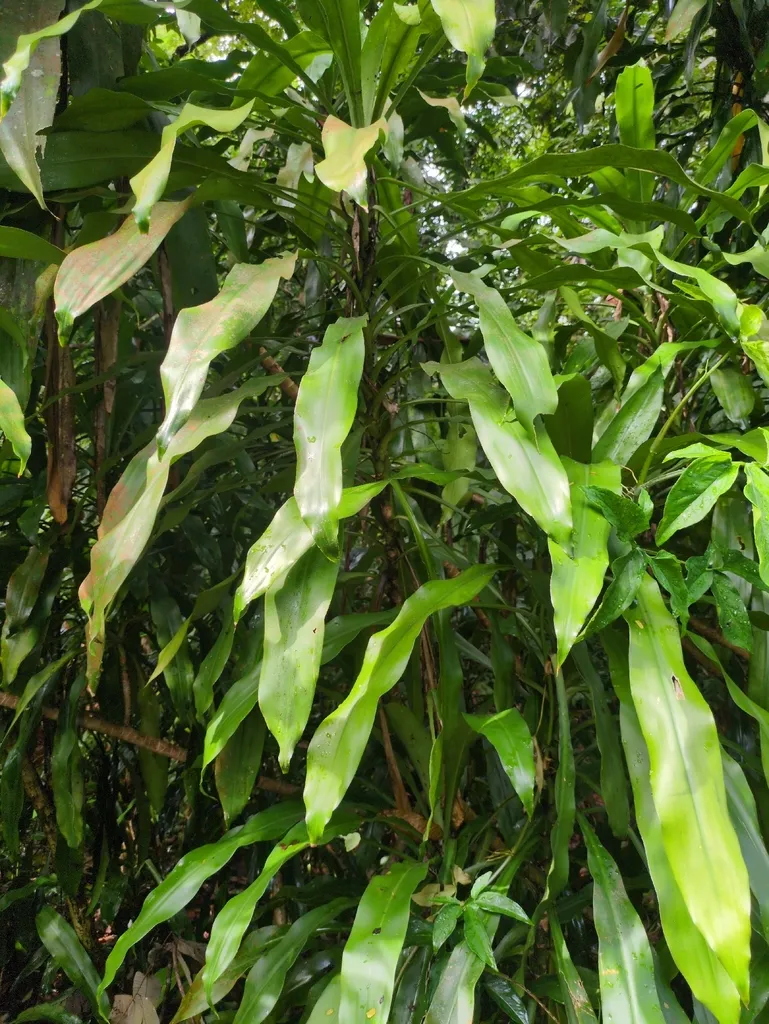
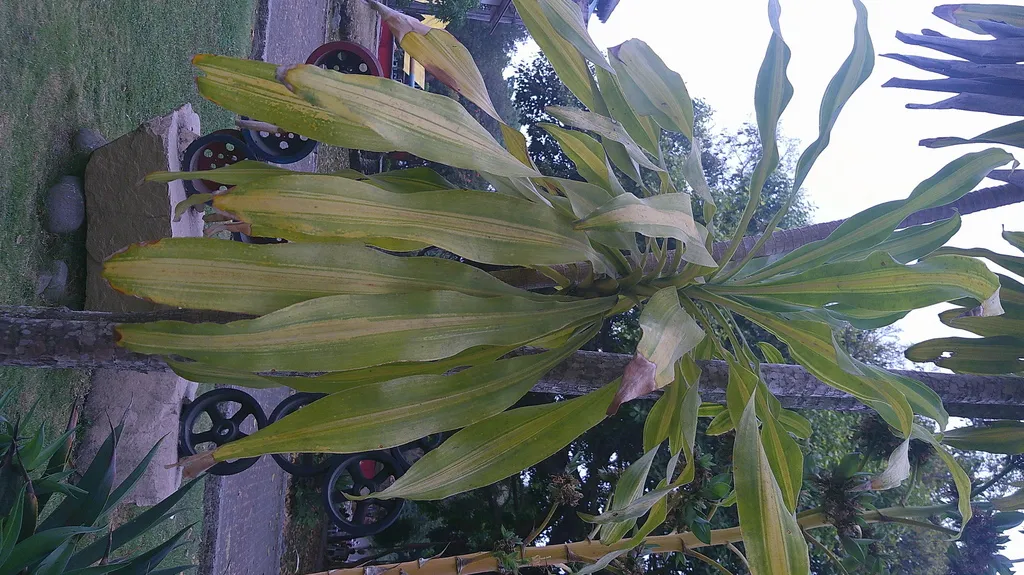
| Care difficulty | 2 / 5 |
|---|---|
| Watering schedule | Water when top inch of soil is dry |
| Sunlight requirements | Partial shade · Full sun |
| Ideal temperature | 18 – 27 °C |
| Soil type | Loam · Sand |
| Soil pH | Acid · Alkaline · Neutral |
| Soil moisture | Moist but well drained |
| Fertilizing | Monthly during spring and summer, reduce in winter |
| Toxicity | Information to be completed |
How to Water corn plant?
Corn plant thrives in moderate to high humidity environments, reminiscent of its origins in the tropical regions. This species is drought-tolerant but prefers a consistent moisture level without being waterlogged. It should be watered once every two weeks, allowing the soil to dry slightly between watering sessions. As an indoor plant, corn plant benefits greatly from occasional misting to replicate its native humid conditions and maintain its lush foliage.
Learn more →What Are the Sunlight Requirements for corn plant?
Corn plant thrives best in partial sunlight conditions, enjoying bright but indirect light for optimum growth. While it tolerates a range of light exposures, from full sun to full shade, corn plant's growth patterns and health may be compromised outside its ideal range. In direct sunlight, corn plant can experience leaf scorch, whereas in low light, it may become leggy and lose leaf vibrancy. Indoors, placing corn plant near a window with filtered light suits it well. Outdoors, it prefers a spot under dappled light. Corn plant's leaves may adapt by darkening in intense light or becoming more limber in shade to manage light absorption.
Learn more →What Is the Ideal Temperature Range for corn plant?

Corn plant demonstrates notable resilience to temperature variations, tolerating a range from approximately 5℃ (41℉) to 45℃ (113℉). However, extreme cold can cause leaf yellowing and dropping, while excessive heat may lead to leaf browning and wilting. Care considerations include safeguarding corn plant from frost and providing shade or increased humidity during intense heat. Monitoring indoor climates is crucial, as significant fluctuations can stress the plant. Temperature-related stress may manifest as slowed growth or discoloration. Countermeasures include relocating the plant to a more stable environment, using frost covers during cold spells, or employing fans and humidity trays in hot conditions.
Learn more →What Soil Is Best for corn plant?
Corn plant has low requirements on soil. The pH of suitable soil is 6.0-6.5. It likes well-drained and organic-rich soil, avoiding sticky substrates. Wet soil that can lead to rot or fungal issues should be avoided as well. The soil mixed with a small amount of perlite and added with fertilizers free of boron or calcium superphosphate will help their growth. When they are potted, it is recommended to use pottery pots with many drainage holes to ensure smooth drainage. Dracaena braunii (Lucky Bamboo) is often maintained in water, but it can grow better when planted in soil actually.
- Soil type
- Loam · Sand
- Soil pH
- Acid · Alkaline · Neutral
What Are the Moisture Requirements for corn plant?
Moist but well drained
Learn more →How to Fertilize corn plant?

For optimal health of corn plant, utilize high nitrogen fertilizers, supporting robust growth and lush foliage. Apply a diluted solution monthly during the growing season (spring to summer), reducing to quarterly in fall and pausing in winter to align with dormant phase. Regular fertilizing enhances corn plant's vitality, offsets nutrient depletion in potting soil, and bolsters resilience. A light hand is critical; over-fertilization can damage roots. Practical tip: Water corn plant before feeding to prevent root burn. Always follow the manufacturer's recommended dosage for houseplants to avoid nutrient excess.
Learn more →How to Prune corn plant?

Corn plant, known for its long, arching leaves and cane-like stems, benefits from pruning to maintain its shape and encourage healthy growth. Optimal pruning should occur from early winter to late winter when the plant is dormant. Remove dead or yellowing leaves and trim leggy stems back to the base. This not only enhances appearance but also promotes bushier growth. Regular pruning helps prevent overgrowth and supports overall plant health.
Learn more →How to Propagate corn plant?

Propagating corn plant involves taking stem cuttings, which should be cut just below the leaf node for optimal rooting. Before planting, allow the cutting to dry and form a callous to prevent rot. Rooting hormone can aid in the formation of strong roots when inserted into well-draining potting mix. Ensuring high humidity and consistent warmth will foster root development, while indirect sunlight supports overall growth without scorching delicate new shoots.
Learn more →How to Transplant corn plant?
For best results, transplant corn plant during mid-spring to late-spring or mid-fall to late-fall for optimal root establishment. Choose a location with well-draining soil and indirect sunlight. Remember, corn plant appreciates consistency, so avoid unnecessary transplanting.
Learn more →How to Care for corn plant in Winter?

Corn plant, native to tropical Africa, adapts to warmer climates, minimizing frost exposure. When winter drops below 50°F (10°C), corn plant surges into rest mode, which slows its growth but enables survival. Winter care involves reducing watering frequency and keeping it away from drafty windows to protect it from chilling temperatures. A sunny, insulated indoor spot helps corn plant comfortably navigate winter, ready for lush growth in spring.
Learn more →How to Plant corn plant?
Indoors-potted: When potted indoors, corn plant thrives with stable temperatures; avoid placing near drafty windows or heating vents to prevent leaf drop. Outdoors-potted: In outdoor pots, corn plant can be sensitive to overcooling; shelter from strong winds and relocate inside if temperatures dip too low. Outdoors-in the ground: Corn plant is not commonly grown in the ground outside its native habitat due to climate sensitivity; it requires a warm environment year-round.
Learn more →How to Repot corn plant?
Repot corn plant, a sturdy upright grower, every 2-3 years in spring, encouraging its vertical growth without unnecessary spreading. Opt for a container only one size larger to maintain comfort without overpotting. Post-repotting, keep the soil moist and place corn plant in bright, indirect light to avoid shock and ensure robust recovery. A friendly reminder: corn plant's forgiving nature simplifies post-care, fostering lush foliage in a supportive environment.
Learn more →How to Harvest corn plant?

Potted dracaena plants seldom bloom. However, in case of adequate light, they may have white or purple inflorescences in the summer. But, at the same time, the leaves may be injured by intense light and the color of the leaves may deteriorate.
Learn more →Common Pests & Diseases

Diseases
Generally disease-free
Pests
May be susceptible to scale insects, glasshouse red spider mite, thrips and mealybugs
Explore the plant health library →The Toxicity of corn plant
Information to be completed