



Planting and Growing Dracaena cinnabari


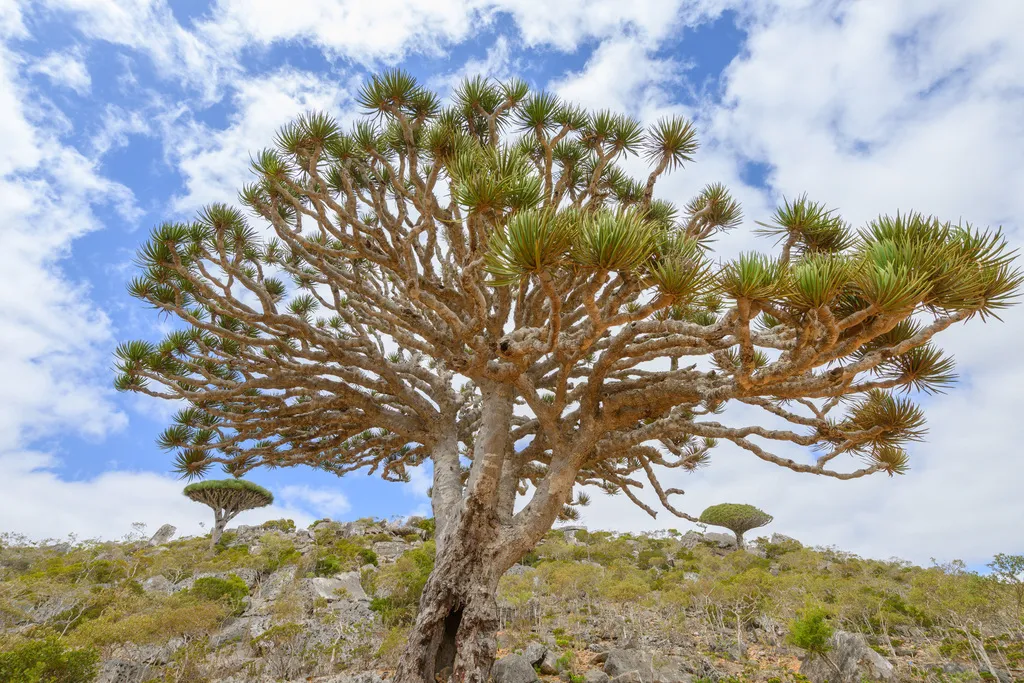
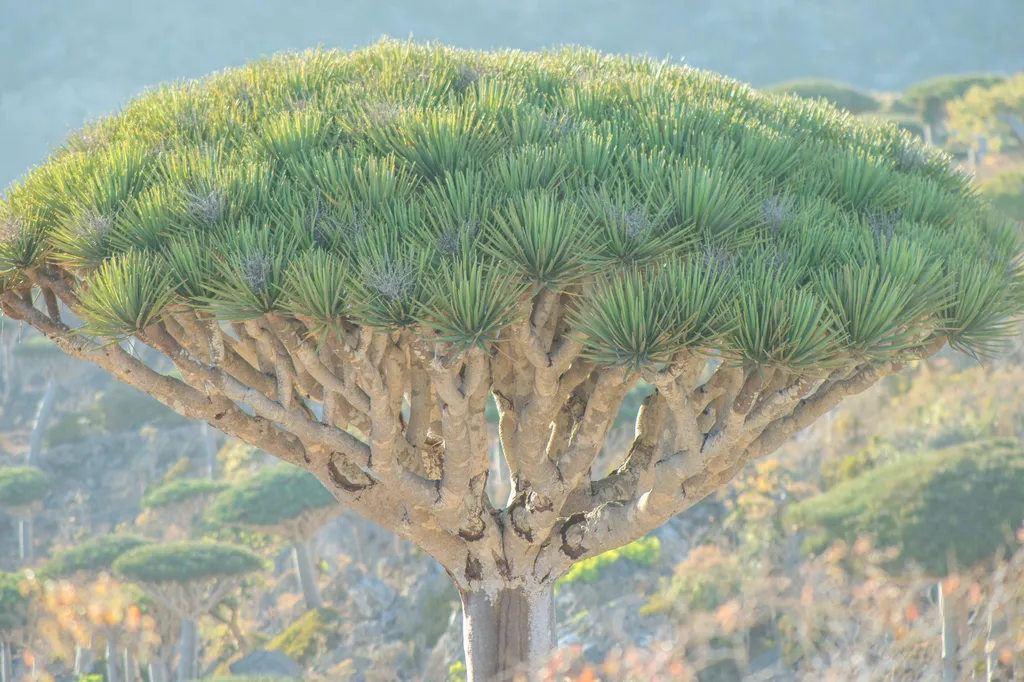
| Care difficulty | 4 / 5 |
|---|---|
| Watering schedule | Moderate regular watering, allowing brief slight drying between soakings |
| Sunlight requirements | Full sun |
| Ideal temperature | Information to be completed |
| Soil type | Chalk · Loam · Sand |
| Soil pH | Acid · Alkaline · Neutral |
| Soil moisture | Well drained |
| Fertilizing | Balanced perennial feed every four weeks from spring through summer |
| Toxicity | Information to be completed |
How to Water Dracaena cinnabari?
Moderate regular watering, allowing brief slight drying between soakings
Learn more →What Are the Sunlight Requirements for Dracaena cinnabari?
Full sun
Learn more →What Soil Is Best for Dracaena cinnabari?
- Soil type
- Chalk · Loam · Sand
- Soil pH
- Acid · Alkaline · Neutral
What Are the Moisture Requirements for Dracaena cinnabari?
Well drained
Learn more →How to Fertilize Dracaena cinnabari?

Balanced perennial feed every four weeks from spring through summer
Learn more →How to Prune Dracaena cinnabari?

No pruning required
Learn more →How to Propagate Dracaena cinnabari?

Propagate by seed, sown at 18-20°C in spring, or by semi-ripe cuttings in late spring to early summer. Allow cuttings to callus before inserting into growing media, bottom heat may be required for rooting
Learn more →How to Plant Dracaena cinnabari?
Grow in a free-draining, gritty potting mix, in full sun. Though sometimes used in landscaping in warmer regions, it will not tolerate frost and in the UK is best grown in a greenhouse or in containers that can be moved indoors over winter. Water moderately in the growing season, preferably with rainwater, and apply a balanced liquid feed monthly. Keep almost dry in winter
Learn more →Common Pests & Diseases

Diseases
Generally disease-free
Pests
May be susceptible to scale insects, glasshouse red spider mite, thrips and mealybugs
Explore the plant health library →