



Planting and Growing bass

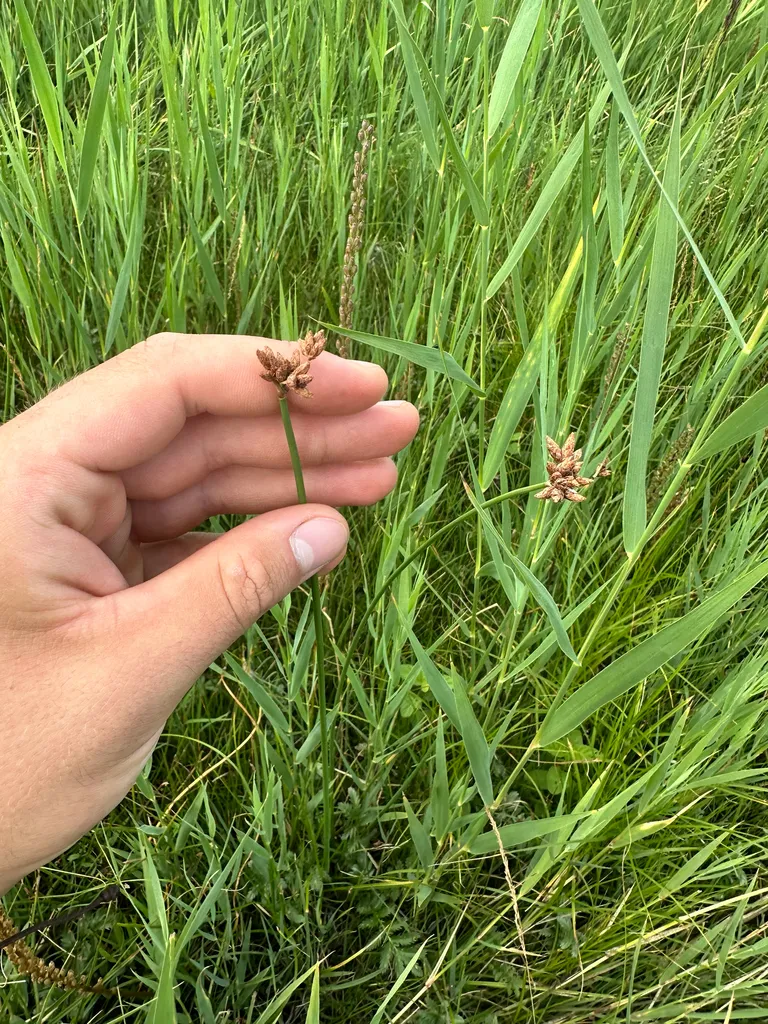
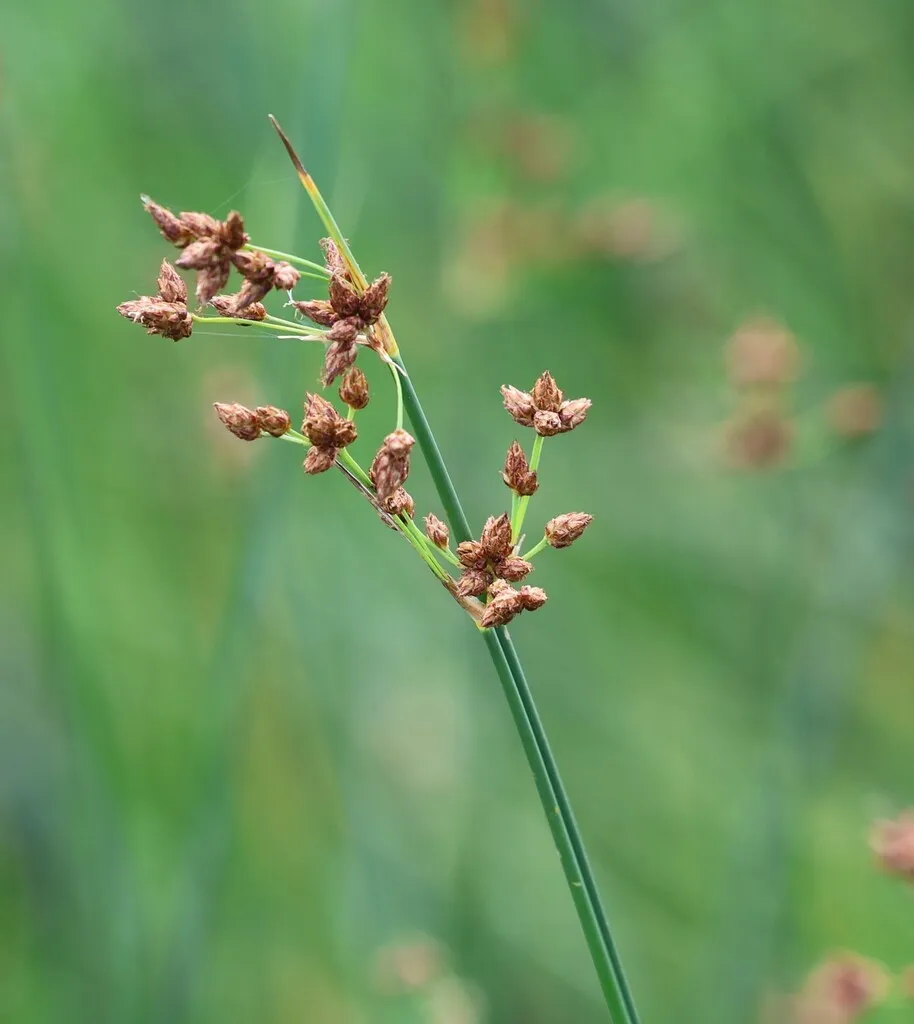
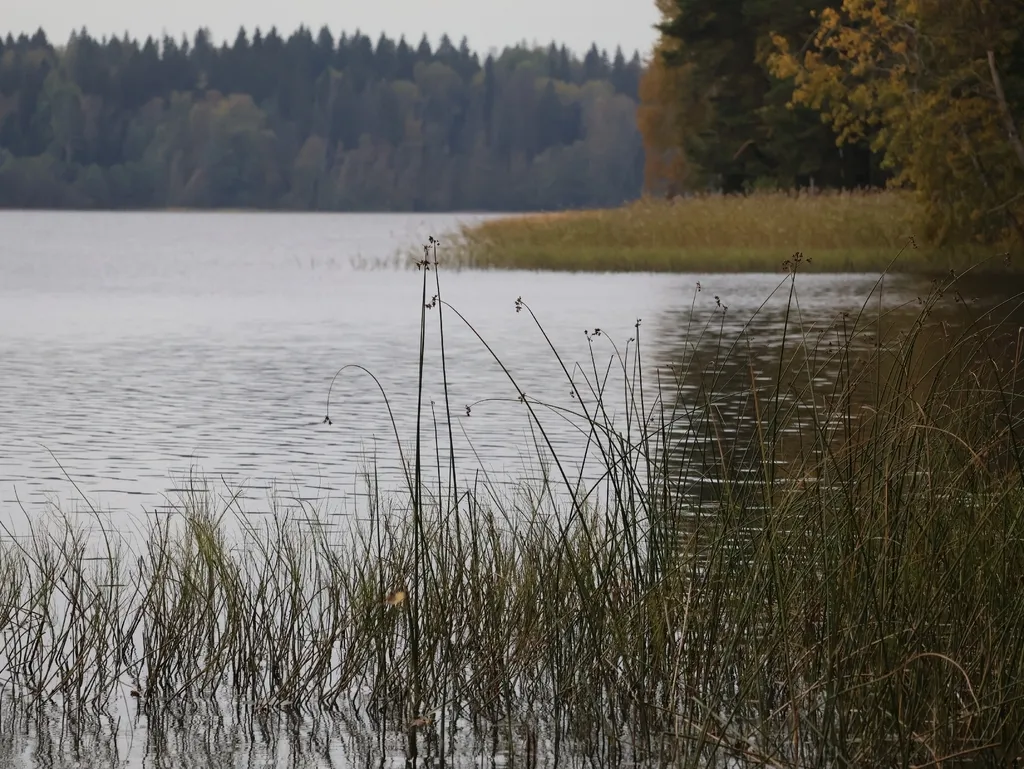
| Care difficulty | 2 / 5 |
|---|---|
| Watering schedule | Moderate regular watering, avoid prolonged drought and stagnant waterlogging |
| Sunlight requirements | Full sun · Partial shade |
| Ideal temperature | Information to be completed |
| Soil type | Clay · Loam |
| Soil pH | Acid · Alkaline · Neutral |
| Soil moisture | Moist but well drained · Poorly drained |
| Fertilizing | Balanced perennial feed every four weeks spring through summer growth |
| Toxicity | Information to be completed |
How to Water bass?
Moderate regular watering, avoid prolonged drought and stagnant waterlogging
Learn more →What Are the Sunlight Requirements for bass?
Full sun · Partial shade
Learn more →What Soil Is Best for bass?
- Soil type
- Clay · Loam
- Soil pH
- Acid · Alkaline · Neutral
What Are the Moisture Requirements for bass?
Moist but well drained · Poorly drained
Learn more →How to Fertilize bass?

Balanced perennial feed every four weeks spring through summer growth
Learn more →How to Prune bass?

Trim back regularly to restrict spread
Learn more →How to Propagate bass?

Propagate by division. Root sections of rhizome from mid-spring to midsummer
Learn more →How to Plant bass?
Grow in fertile wet soil, or in water up to 30cm (12in) deep, in full sun. Avoid planting in lined ponds, where the roots can pierce the liner. This bullrush is vigorous plant and best planted in large, natural/clay puddled wildlife ponds where it can spread. Alternatively, plant in containers of heavy loam
Learn more →Common Pests & Diseases

Diseases
Generally disease-free
Pests
Generally pest-free
Explore the plant health library →