
bass
Also known as: bast; club-rush; common bulrush; common club-rush; frail rush; lake club-rush; mat rush; pool rush; spurt grass; bulrush; Moses in the bulrushes
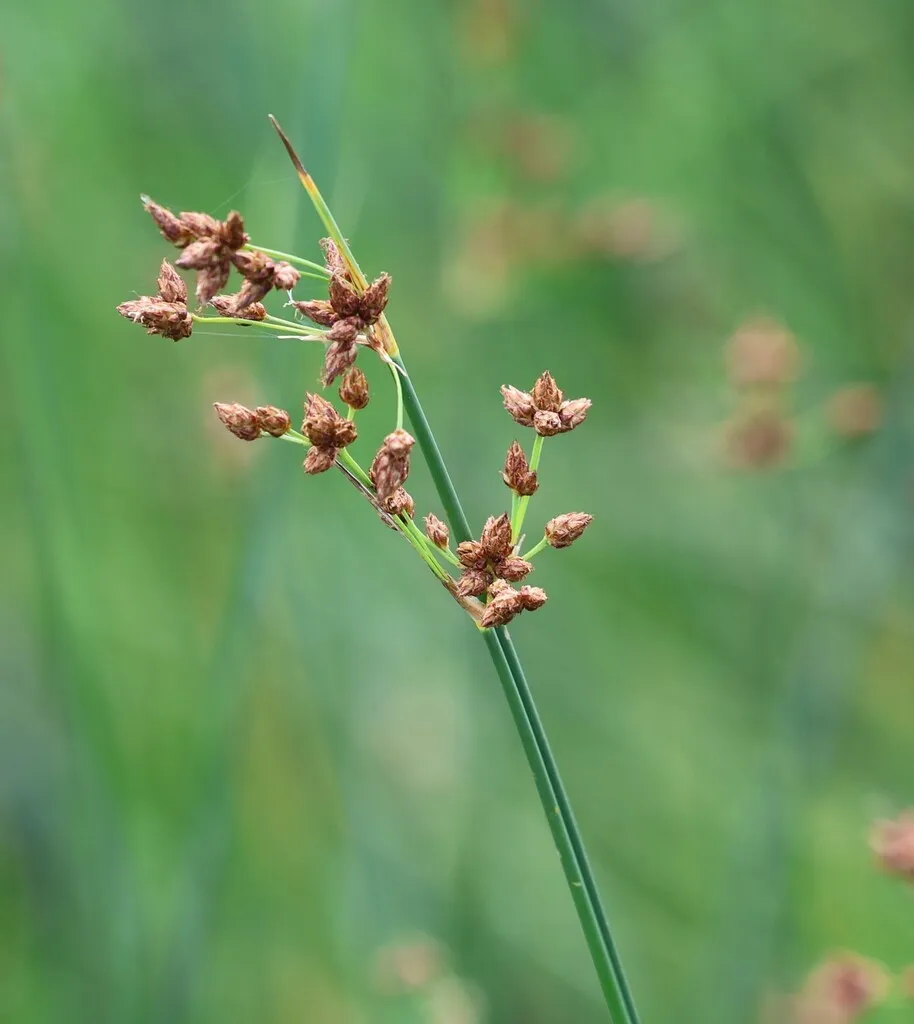
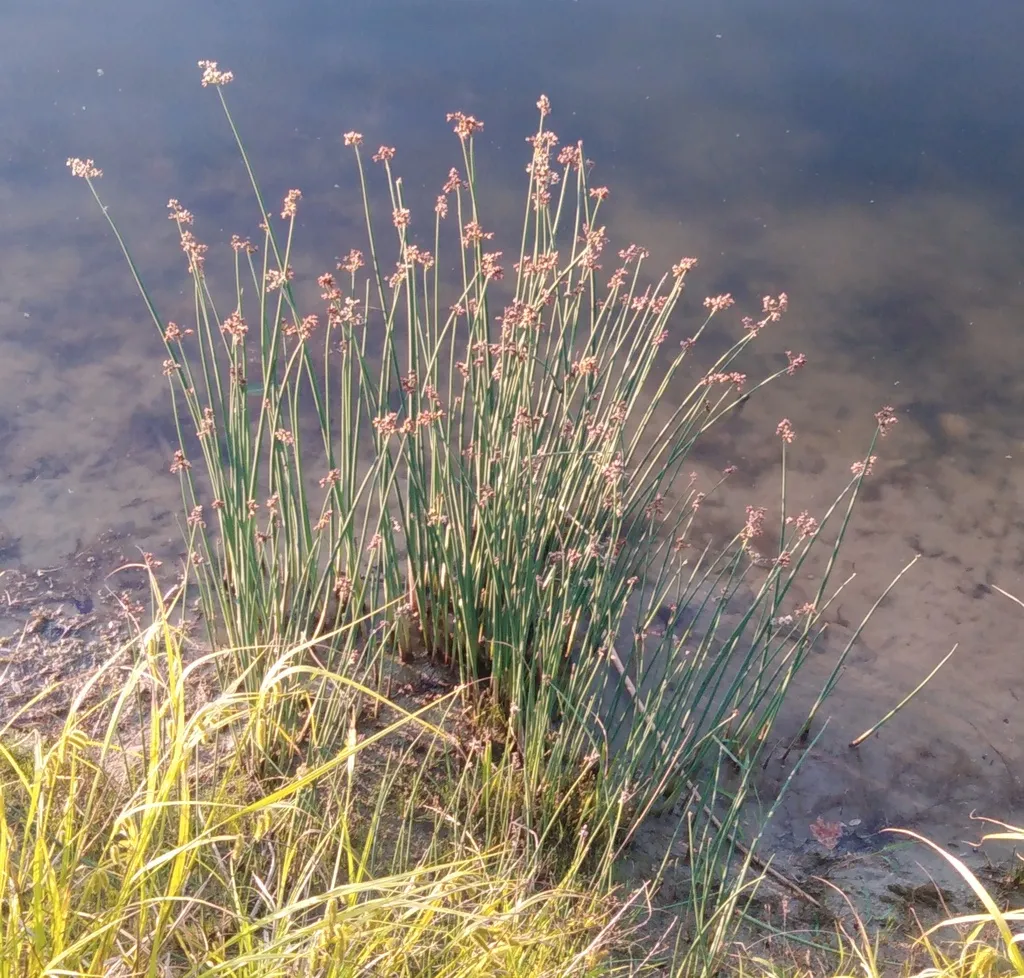
An evergreen herbaceous perennial to a height of up to 2m, with round, solid green stems and a very vigorous root system. Brown to green flowers, in loose bunches appear from the tops or sides of the stems throughout summer
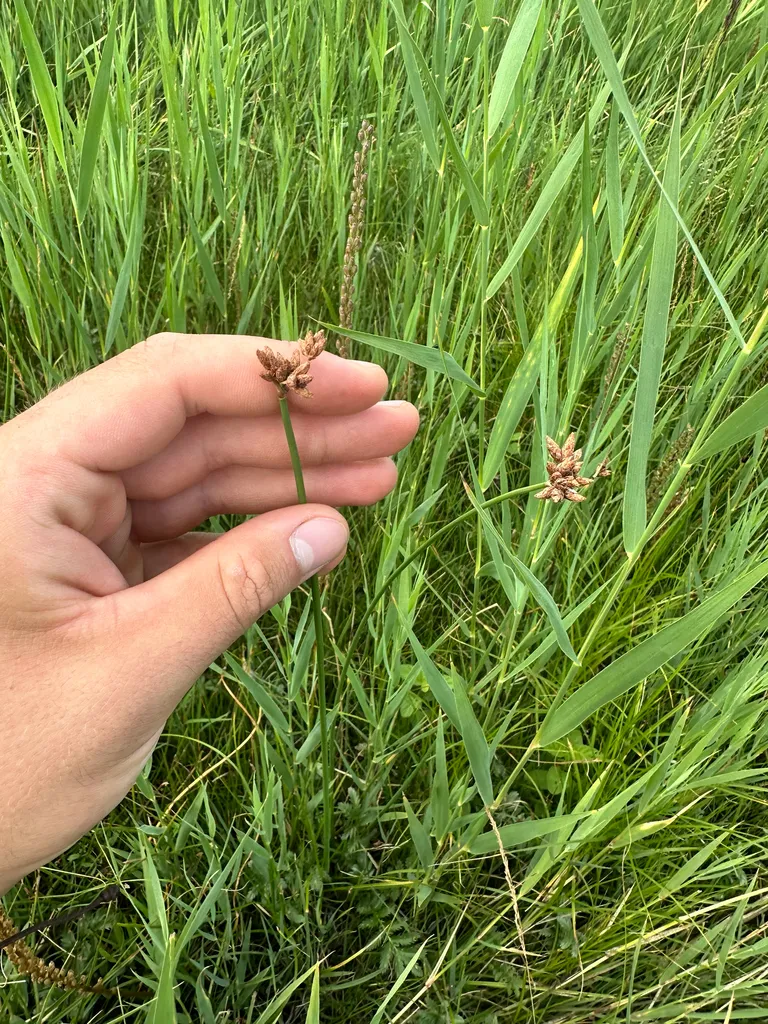
Scientific classification
- Species
- bass (Schoenoplectus lacustris)
- Genus
- Schoenoplectus
- Family
- Cyperaceae
- Order
- Poales
- Class
- Liliopsida
- Phylum
- Magnoliophyta
- Information to be completed
- Toxicity
- Aquatic · Herbaceous Perennial · Grass Like
- Plant type
- 1.5-2.5 metres
- Height
- 1.5-2.5 metres
- Spread
- Deciduous
- Foliage
- Bushy · Tufted
- Habit
- Spring · Summer · Autumn
- Season of interest
- Full sun · Partial shade
- Sunlight
- Information to be completed
- Ideal temperature









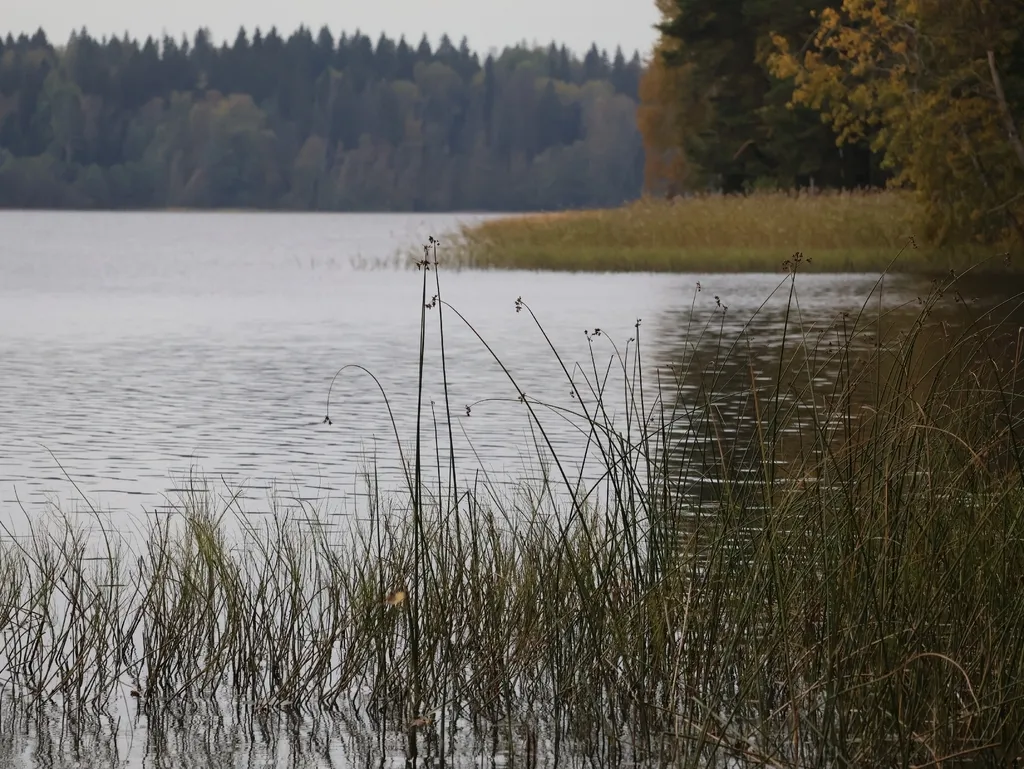
bass pictures
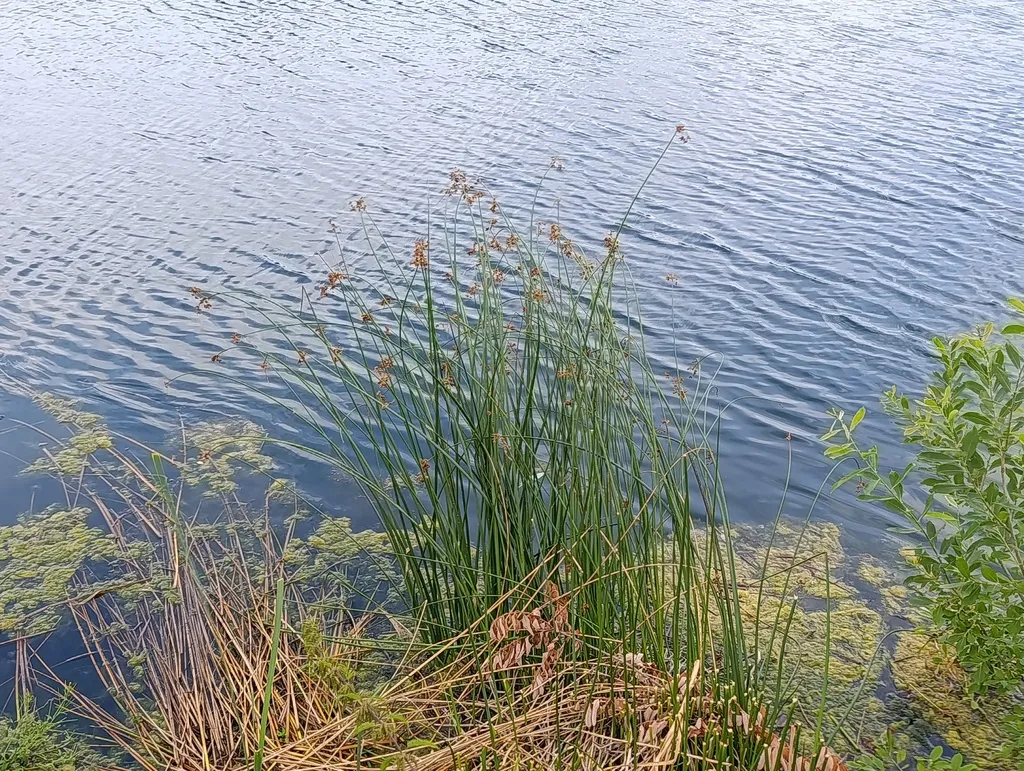
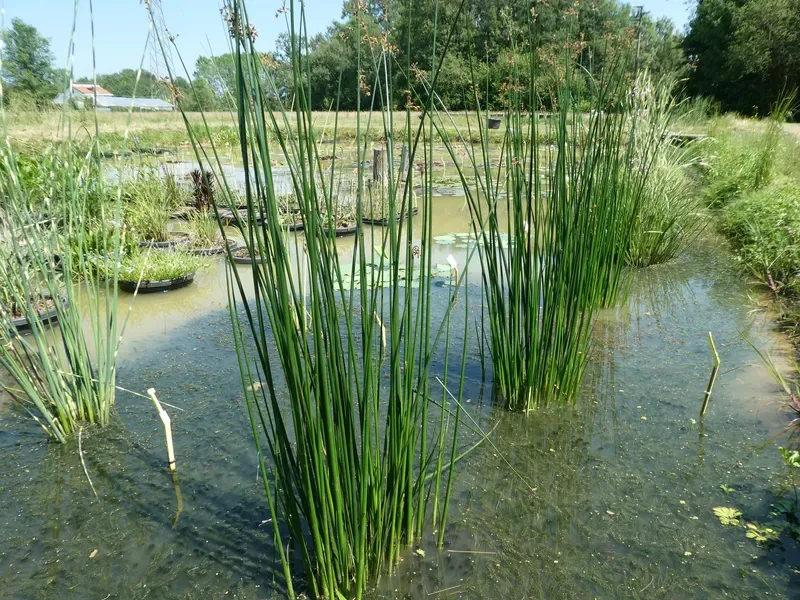
Distribution of bass
Distribution map
- Native
- Introduced
- Cultivated
Source:WCVP v16 · Royal Botanic Gardens, Kew · CC BY 3.0 · Boundaries:WGSRPD / TDWG
bass care guide
- Moderate regular watering, avoid prolonged drought and stagnant waterlogging
- Watering
- Full sun · Partial shade
- Sunlight

Watering
Moderate regular watering, avoid prolonged drought and stagnant waterlogging
Fertilizing
 Fertilizing
Balanced perennial feed every four weeks spring through summer growth
Pruning
 Pruning
Trim back regularly to restrict spread
Propagation
 Propagation
Propagate by division. Root sections of rhizome from mid-spring to midsummer
Growing
 Growing
Grow in fertile wet soil, or in water up to 30cm (12in) deep, in full sun. Avoid planting in lined ponds, where the roots can pierce the liner. This bullrush is vigorous plant and best planted in large, natural/clay puddled wildlife ponds where it can spread. Alternatively, plant in containers of heavy loam
Common pests and diseases
Diseases
Generally disease-free
Pests
Generally pest-free
Explore the plant health library →




