



Planting and Growing Phyllostachys bissetii

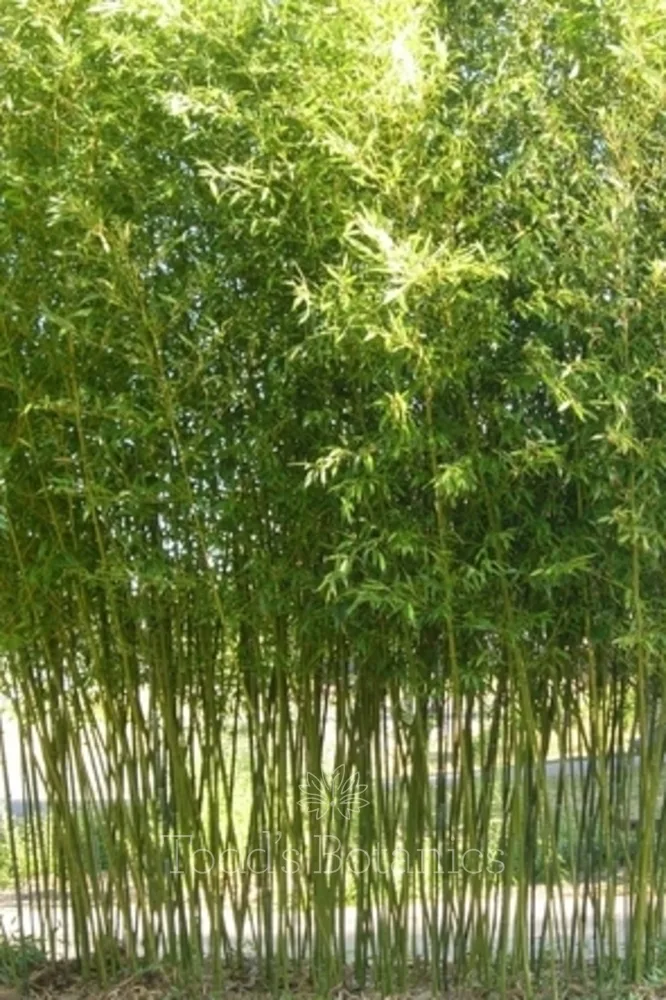
| Care difficulty | 2 / 5 |
|---|---|
| Watering schedule | Water regularly while establishing, keeping root zone evenly moist |
| Sunlight requirements | Full sun · Partial shade |
| Ideal temperature | Information to be completed |
| Soil type | Chalk · Clay · Loam |
| Soil pH | Acid · Alkaline · Neutral |
| Soil moisture | Moist but well drained |
| Fertilizing | Balanced bamboo feed in spring and again early summer if needed |
| Toxicity | Information to be completed |
How to Water Phyllostachys bissetii?
Water regularly while establishing, keeping root zone evenly moist
Learn more →What Are the Sunlight Requirements for Phyllostachys bissetii?
Full sun · Partial shade
Learn more →What Soil Is Best for Phyllostachys bissetii?
- Soil type
- Chalk · Clay · Loam
- Soil pH
- Acid · Alkaline · Neutral
What Are the Moisture Requirements for Phyllostachys bissetii?
Moist but well drained
Learn more →How to Fertilize Phyllostachys bissetii?

Balanced bamboo feed in spring and again early summer if needed
Learn more →How to Prune Phyllostachys bissetii?

Remove dead or damaged stems and thin out proportion of older stems to show off stems to best effect.
Learn more →How to Propagate Phyllostachys bissetii?

Propagate by division in spring or autumn
Learn more →How to Plant Phyllostachys bissetii?
Plant in a reasonably fertile, moist but well-drained soil, in full sun or part shade. Best to protect from cold drying winds especially while establishing. Can be a very vigorous grower in ideal conditions so if space is limited, plant in a large container or use a root barrier to limit spread - see bamboo control and bamboo cultivation
Learn more →Common Pests & Diseases

Diseases
Generally disease-free
Pests
Generally pest-free
Explore the plant health library →