



Planting and Growing bugloss 'Dropmore'

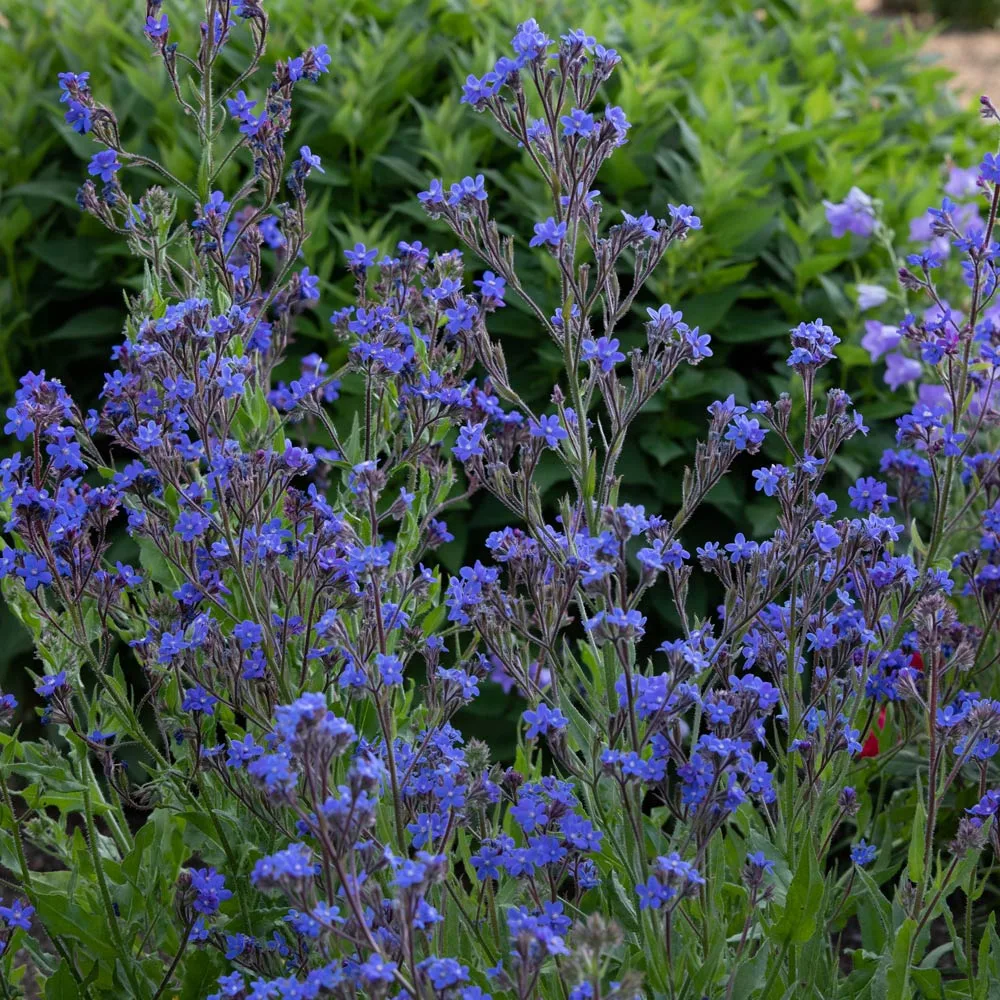
| Care difficulty | 2 / 5 |
|---|---|
| Watering schedule | Moderate regular watering, avoid prolonged drought or waterlogging |
| Sunlight requirements | Full sun · Partial shade |
| Ideal temperature | Information to be completed |
| Soil type | Chalk · Loam · Sand |
| Soil pH | Acid · Alkaline · Neutral |
| Soil moisture | Moist but well drained |
| Fertilizing | Balanced feed in spring and light repeat in growth season |
| Toxicity | Information to be completed |
How to Water bugloss 'Dropmore'?
Moderate regular watering, avoid prolonged drought or waterlogging
Learn more →What Are the Sunlight Requirements for bugloss 'Dropmore'?
Full sun · Partial shade
Learn more →What Soil Is Best for bugloss 'Dropmore'?
- Soil type
- Chalk · Loam · Sand
- Soil pH
- Acid · Alkaline · Neutral
What Are the Moisture Requirements for bugloss 'Dropmore'?
Moist but well drained
Learn more →How to Fertilize bugloss 'Dropmore'?

Balanced feed in spring and light repeat in growth season
Learn more →How to Prune bugloss 'Dropmore'?

Dead-head after the first flush of flowers to encourage a second flush. Cut back top-growth after flowering to encourage the development of overwintering basal rosettes.
Learn more →How to Propagate bugloss 'Dropmore'?

Propagate by seed, root cuttings in winter or by softwood cuttings from the base of young shoots in spring.
Learn more →How to Plant bugloss 'Dropmore'?
Grows in any moderately fertile, moist but well-drained soil in full sun, although it can also tolerate partial shade. It thrives in moist soils but dislikes winter wet. Plants may require staking.
Learn more →Common Pests & Diseases

Diseases
Can be susceptible to powdery mildews
Pests
Generally pest-free
Explore the plant health library →