



Planting and Growing Barberton daisy

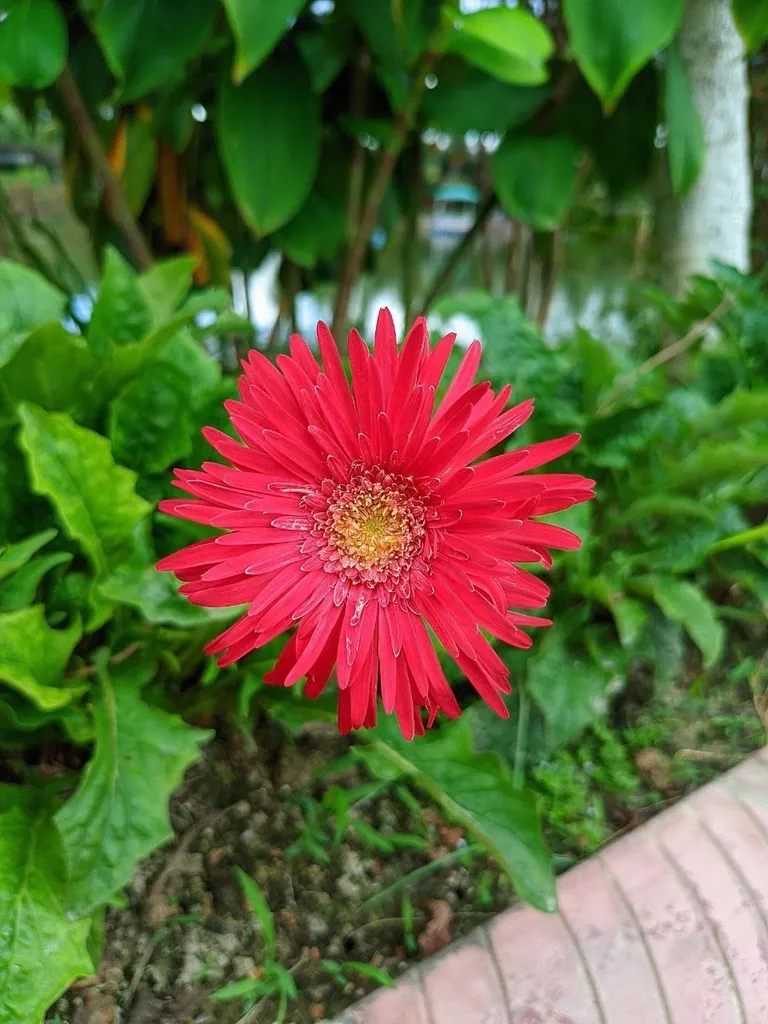
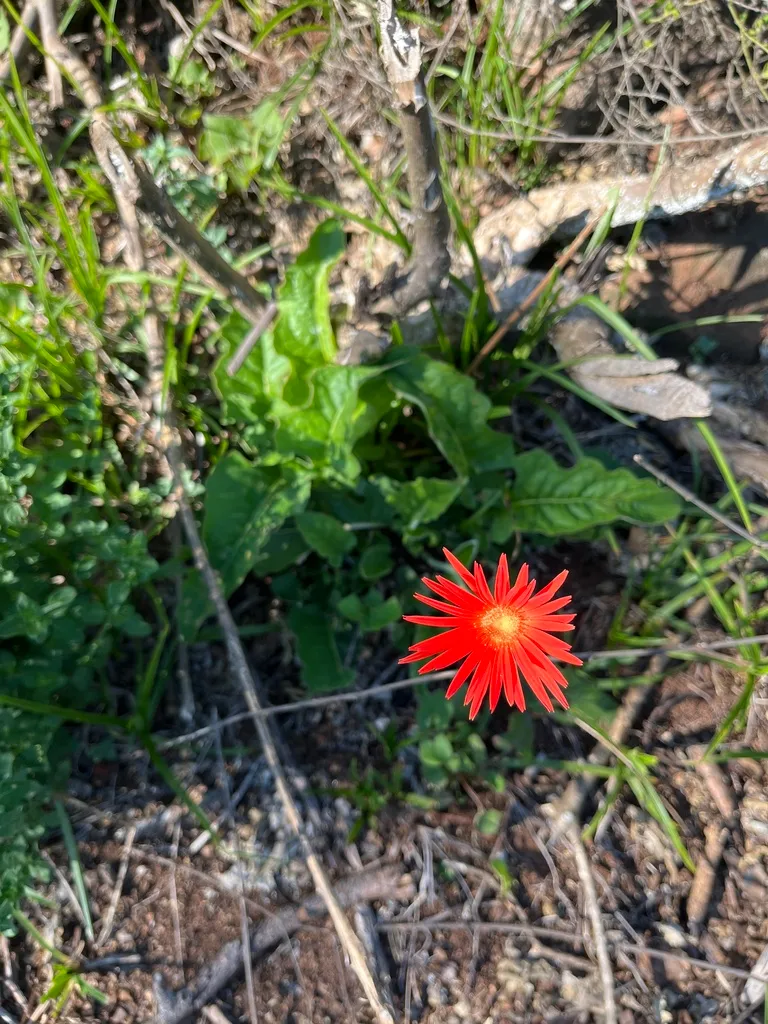
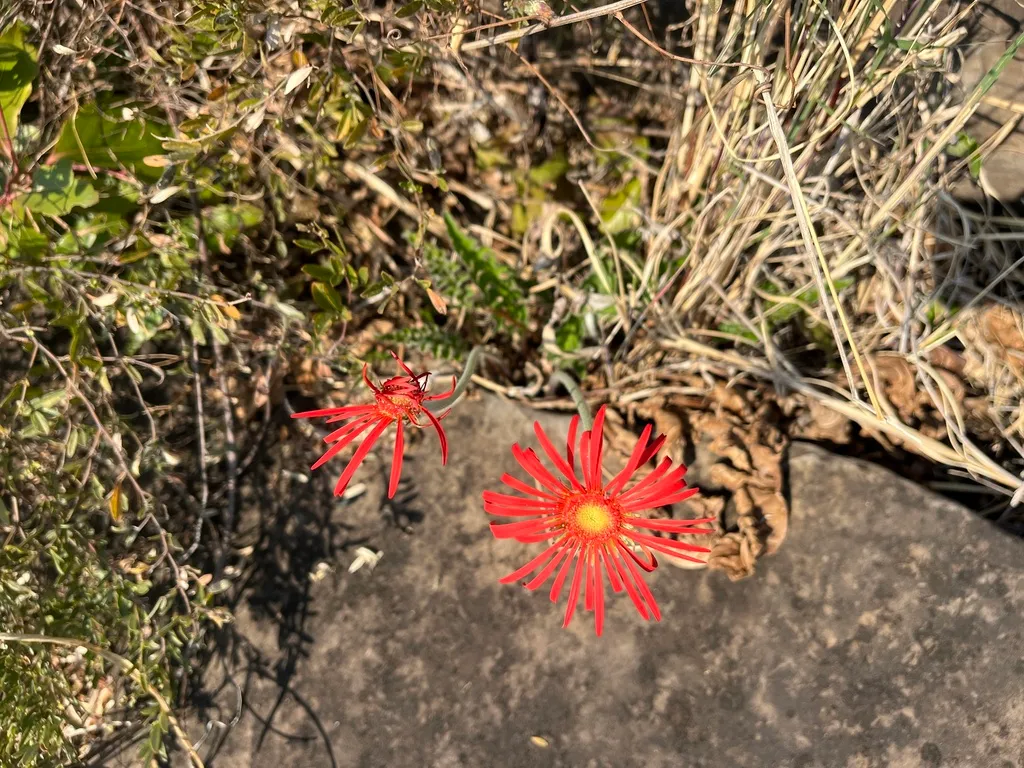
| Care difficulty | 3 / 5 |
|---|---|
| Watering schedule | Moderate regular watering, avoid prolonged drought and stagnant waterlogging |
| Sunlight requirements | Full sun |
| Ideal temperature | 15 – 25 °C |
| Soil type | Chalk · Loam · Sand |
| Soil pH | Acid · Alkaline · Neutral |
| Soil moisture | Well drained |
| Fertilizing | Balanced perennial feed every four weeks spring through summer growth |
| Toxicity | Information to be completed |
How to Water Barberton daisy?
Originating from the well-drained soils of South Africa, barberton daisy thrives in conditions that mimic its native semi-arid environments. It has adapted to periods of dryness, favoring a watering schedule that allows the soil to dry slightly between sessions. Accordingly, barberton daisy should be watered every week for optimal growth. As an outdoor plant often cultivated for its vibrant flowers, barberton daisy benefits significantly from consistent moisture during its active growing season to promote lush blooms.
Learn more →What Are the Sunlight Requirements for Barberton daisy?
Barberton daisy's optimal light conditions entail receiving full sunlight for robust growth and vivid flowering. Tailored to thrive in bright environments, barberton daisy performs best when bathed in at least 6 hours of sunlight per day. While barberton daisy possesses a tolerance for partial sun, insufficient light may lead to leggy stems and sparse blooming. In outdoor settings, planting barberton daisy in a south-facing garden ensures ample light. Indoors, a sunny windowsill is ideal. Barberton daisy may exhibit leaf orientation or color shifts to adapt to light variations, optimizing photosynthesis and maintaining vitality.
Learn more →What Is the Ideal Temperature Range for Barberton daisy?

Barberton daisy displays moderate resilience to temperature fluctuations but can be sensitive to extremes. It can endure temperatures as low as 0℃ (32°F) and as high as 43℃ (110°F). During extreme cold, barberton daisy may exhibit leaf wilting or discoloration, whereas high heat can lead to scorched leaves and stunted growth. To mitigate the effects of overcooling, use frost blankets or relocate the plant indoors. For overheating, ensure adequate watering and provide shade. This temperature tolerance makes barberton daisy suitable for regions with mild to warm climates, but care must be taken during extremes to maintain its health.
Learn more →What Soil Is Best for Barberton daisy?
Barberton daisy thrive with well-draining soil that provides good aeration, crucial for their sensitive roots. A suitable soil mix combines equal parts potting mix, perlite, and sand or fine gravel to enhance drainage. When these are scarce, coconut coir or pumice can substitute for perlite. Regular application of a balanced, water-soluble fertilizer during the growing season ensures robust growth. Emphasize proper drainage to prevent water-logging, which can lead to root rot.
- Soil type
- Chalk · Loam · Sand
- Soil pH
- Acid · Alkaline · Neutral
What Are the Moisture Requirements for Barberton daisy?
Well drained
Learn more →How to Fertilize Barberton daisy?

For optimal growth, barberton daisy benefits from a balanced nutrition fertilizer, supplemented by high phosphorus fertilizers to encourage vibrant blooms. A monthly application in the growing season adjusts to quarterly in winter. Use fertilizer sparingly, following package instructions to avoid root burn, and consider plant age and environmental factors; younger barberton daisy may require less. Ensuring even distribution around the plant base facilitates nutrient absorption. This regimen enhances foliage robustness and floral display while maintaining overall plant health.
Learn more →How to Prune Barberton daisy?

This vibrant flowering plant, known for its radiant blooms, benefits significantly from strategic pruning. Key techniques include removing spent flowers and dead leaves to encourage healthier growth and more prolific blooming. The optimal timing is from late winter to early spring, aligning with its growth cycle. Pruning not only enhances aesthetic appeal but also prevents disease and pest infestations. Consistent trimming boosts air circulation and light penetration, fostering a more robust and dynamic plant.
Learn more →How to Propagate Barberton daisy?

The barberton daisy propagation is typically performed through cuttings during Spring or Summer. Propagation difficulty is relatively easy, with successful signs including root development and new growth. Ensure proper moisture levels while propagating.
Learn more →How to Transplant Barberton daisy?
Transplant barberton daisy during the optimal window of early to mid-spring, as this allows for ideal root establishment before the growing season. Ensure a sunny location with well-draining soil, and water deeply yet infrequently after transplanting to promote healthy growth.
Learn more →How to Care for Barberton daisy in Winter?

Barberton daisy originates from sunny South Africa, naturally adapting to mild winters with little frost. This plant's colorful blooms may dwindle in cold climates. Winter care for barberton daisy involves moving it indoors or using a greenhouse for protection. Ensure heat and light provision and reduced water supply during this season. These measures help barberton daisy to thrive, despite its non-native winter conditions.
Learn more →How to Plant Barberton daisy?
Indoors-potted: Ensure barberton daisy has enough space to thrive indoors; overcrowding can hinder its vibrant blooms. Outdoors-potted: When potted outside, rotate barberton daisy regularly to promote even growth and flowering. Outdoors-in the ground: In garden beds, barberton daisy appreciates ample space for air circulation, reducing the risk of fungal diseases.
Learn more →How to Repot Barberton daisy?
Repot barberton daisy every 2-3 years to accommodate its compact, bushy growth. Spring, ahead of its active period, is ideal for minimizing stress. Choose a slightly larger pot with drainage to encourage a healthy root system. Post-repotting, ensure ample light and avoid overwatering. Adhering to these steps will promote vigorous growth and vibrant blooms for your barberton daisy.
Learn more →How to Harvest Barberton daisy?

Information to be completed
Learn more →Common Pests & Diseases

Diseases
May be susceptible to grey moulds, leaf spot and root rot
Pests
May be susceptible to glasshouse whitefly, chrysanthemum leaf miner, aphids, and tarsonemid mites
Explore the plant health library →The Toxicity of Barberton daisy
Information to be completed