
Barberton daisy
Also known as: Information to be completed
An evergreen, clump-forming perennial with deeply-lobed, dark green leaves with woolly undersides and up to 45cm long. Erect stems bear solitary, daisy-like flowerheads up to 12cm across in shades of red, orange, pink or yellow with yellow centres from late spring to late summer
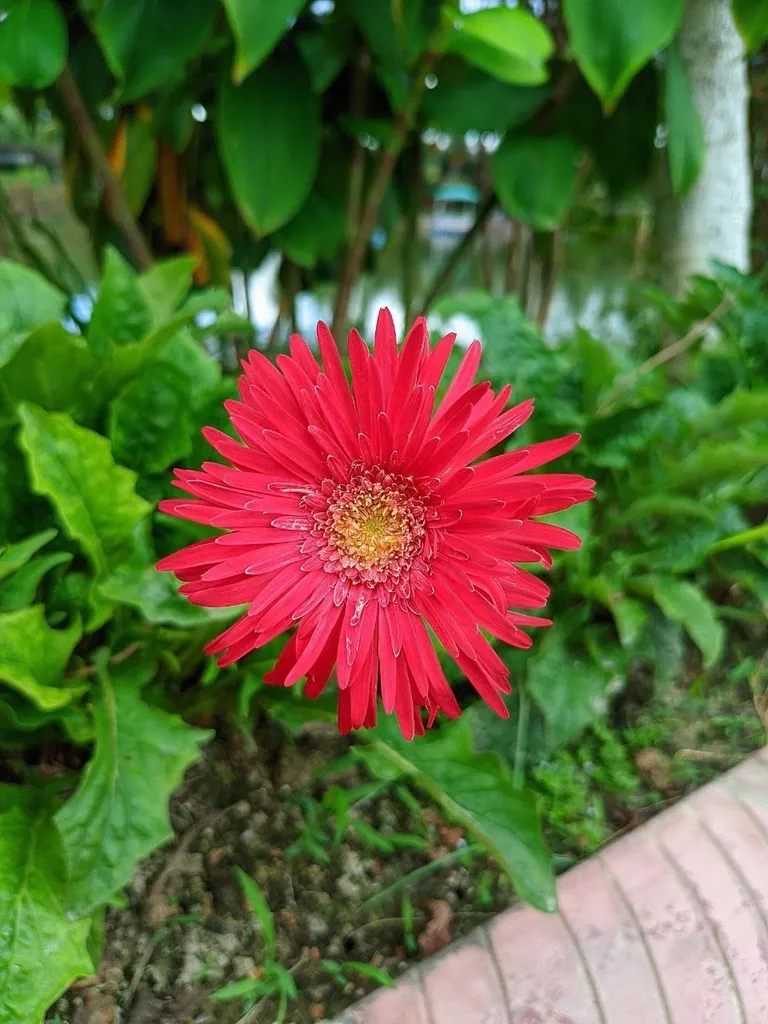
Scientific classification
- Species
- Barberton daisy (Gerbera jamesonii)
- Genus
- Gerbera
- Family
- Asteraceae
- Information to be completed
- Toxicity
- Conservatory Greenhouse · Herbaceous Perennial
- Plant type
- 0.5-1 metres
- Height
- 0.1-0.5 metres
- Spread
- Evergreen
- Foliage
- Clump forming
- Habit
- Spring · Summer · Autumn · Winter
- Season of interest
- Full sun
- Sunlight
- 15 – 25 °C
- Ideal temperature









Barberton daisy pictures
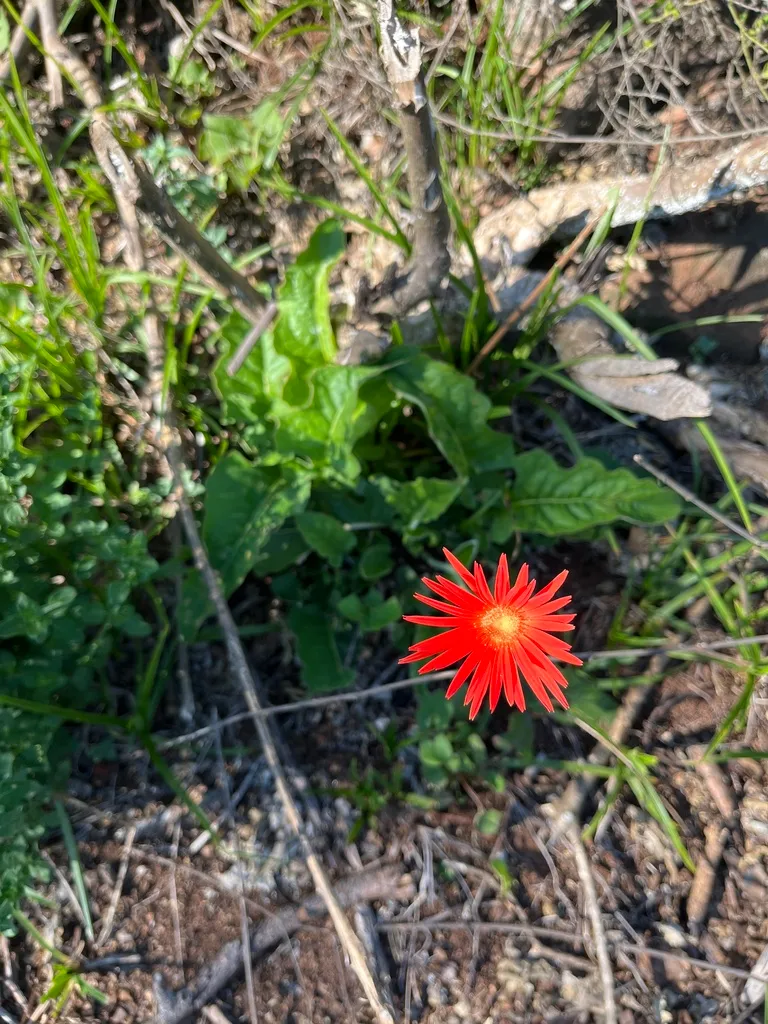
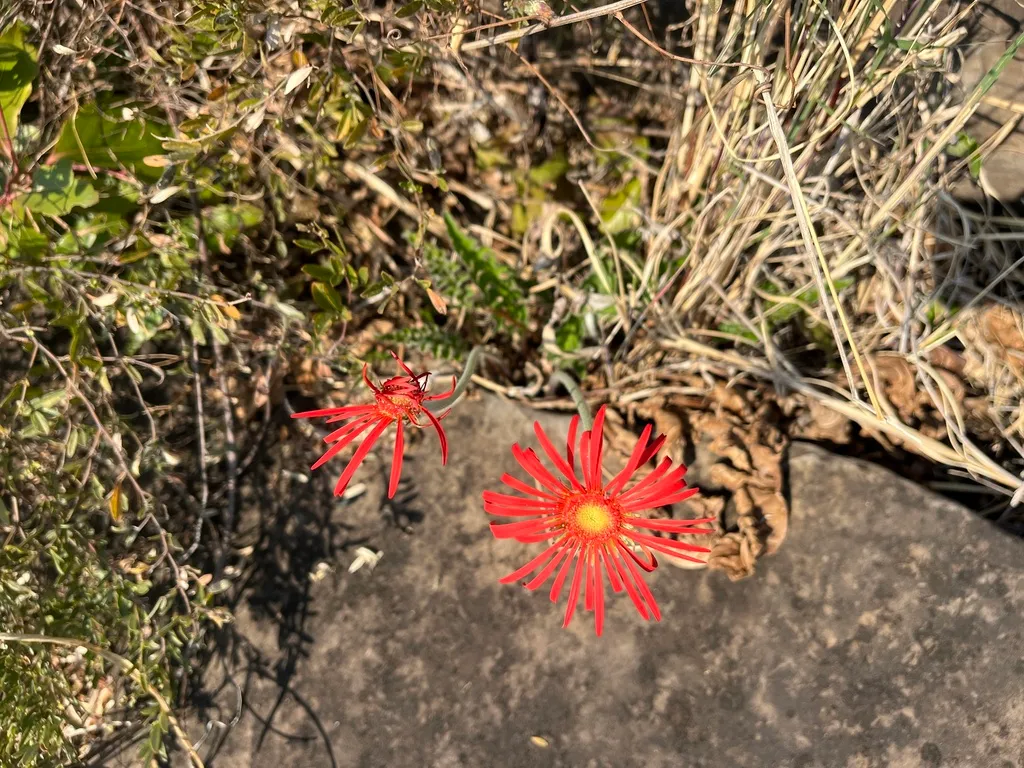
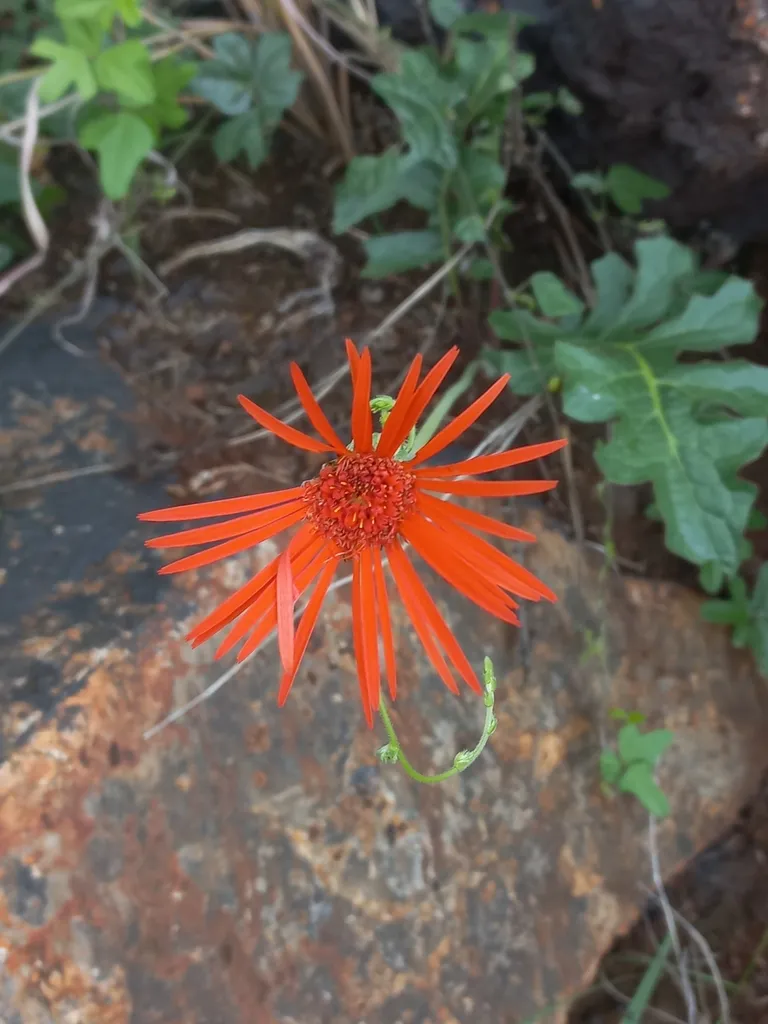
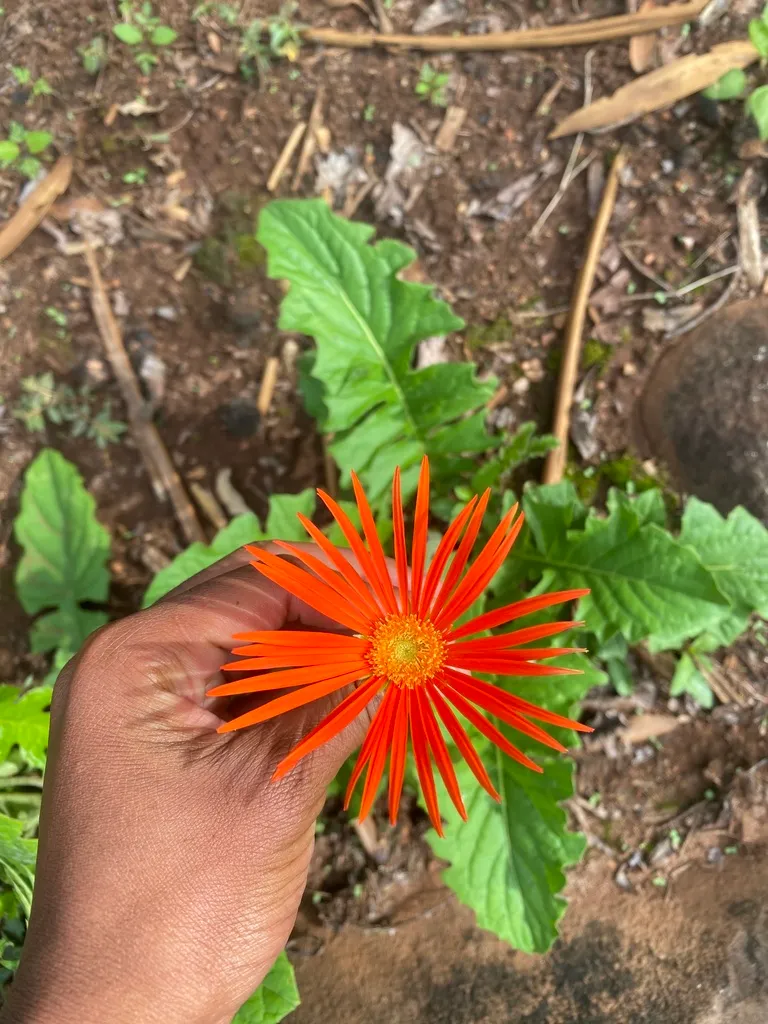
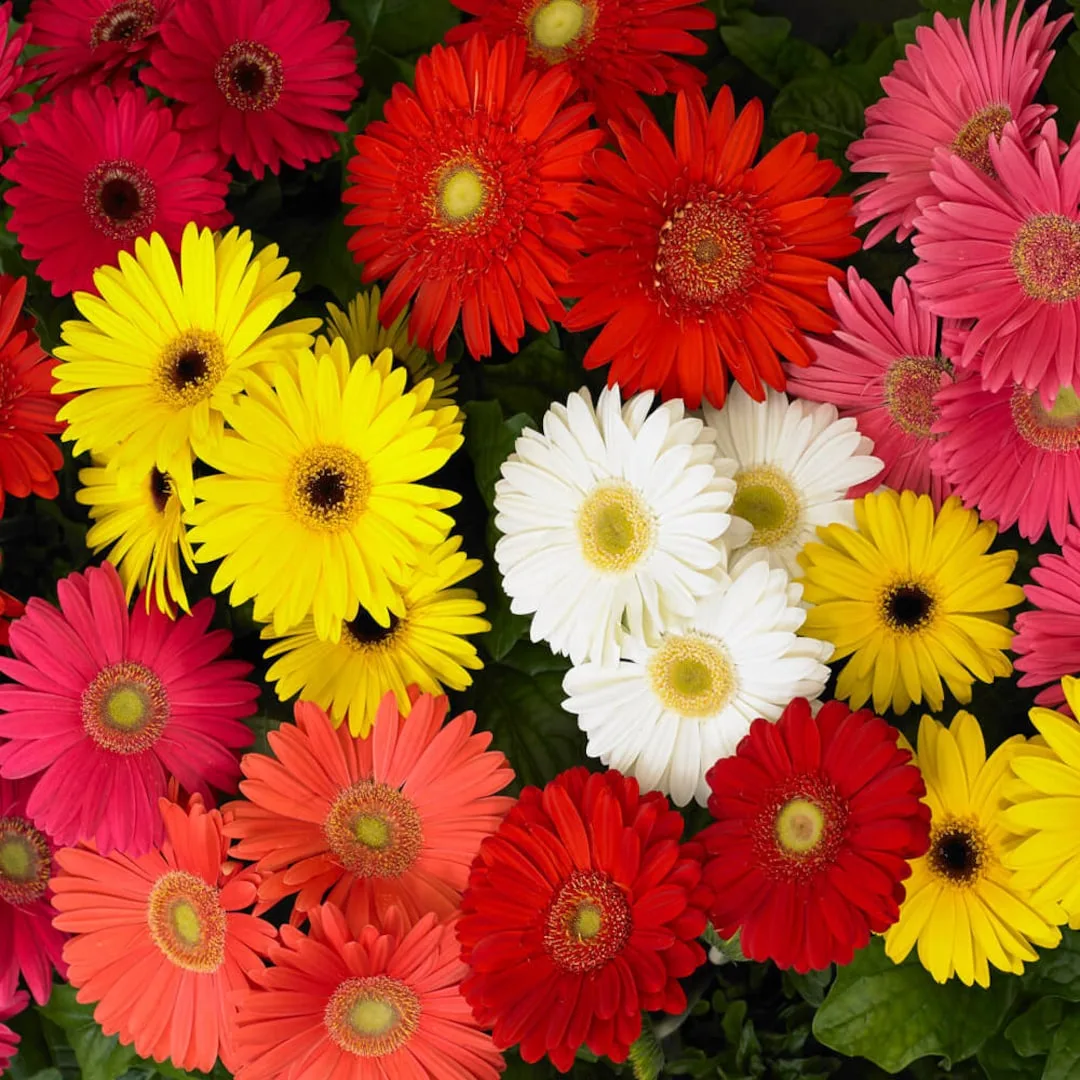
Distribution of Barberton daisy
Distribution map
Information to be completed
Information to be completed
Culture
Information to be completed
Toxicity
Information to be completed
Quick identification of Barberton daisy
Information to be completed
Barberton daisy care guide
- Moderate regular watering, avoid prolonged drought and stagnant waterlogging
- Watering
- Full sun
- Sunlight
- 15 – 25 °C
- Ideal temperature

Watering
Moderate regular watering, avoid prolonged drought and stagnant waterlogging
Fertilizing
 Fertilizing
Balanced perennial feed every four weeks spring through summer growth
Pruning
 Pruning
No pruning required, but deadheading will encourage more flowering
Propagation
 Propagation
Propagate for home use by division in early spring or by basal cuttings, or heel cuttings from side shoots, in summer
Growing
 Growing
Grow in fertile well-drained soil in a sheltered position in full sun; ideal for patio containers grown in a loam-based potting compost (JI No.2) and may be overwintered under glass in colder areas. See gerbera cultivation for further information
People also ask
Information to be completed
Common pests and diseases
Diseases
May be susceptible to grey moulds, leaf spot and root rot
Pests
May be susceptible to glasshouse whitefly, chrysanthemum leaf miner, aphids, and tarsonemid mites
Explore the plant health library →




