



Planting and Growing weeping fig

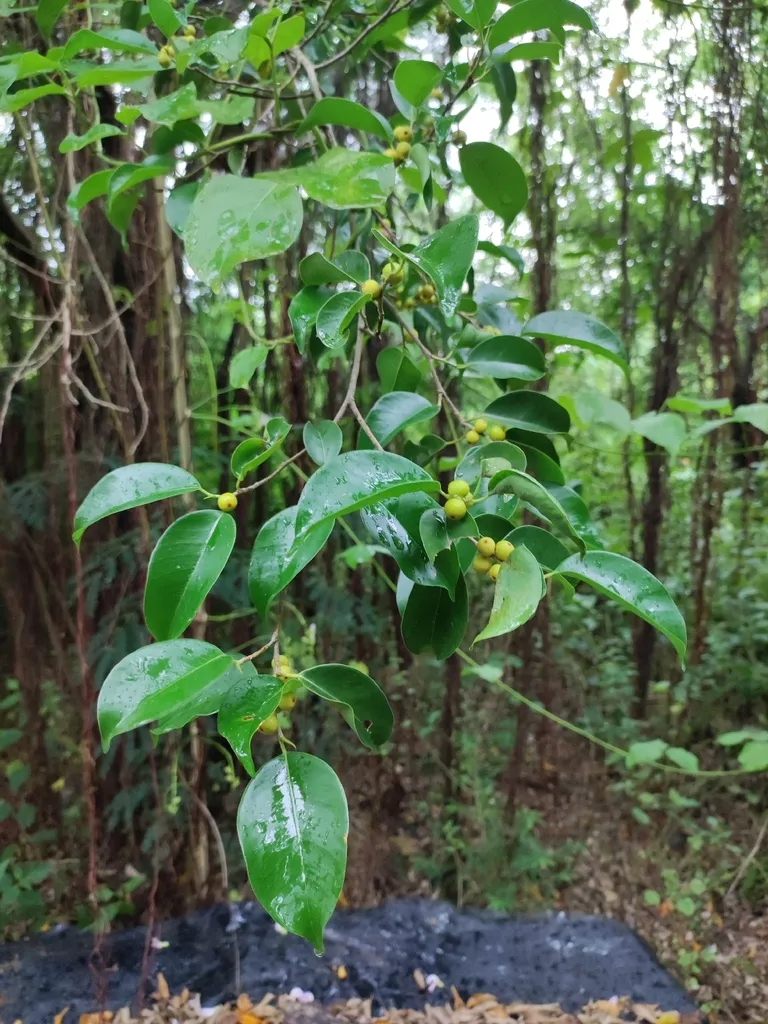
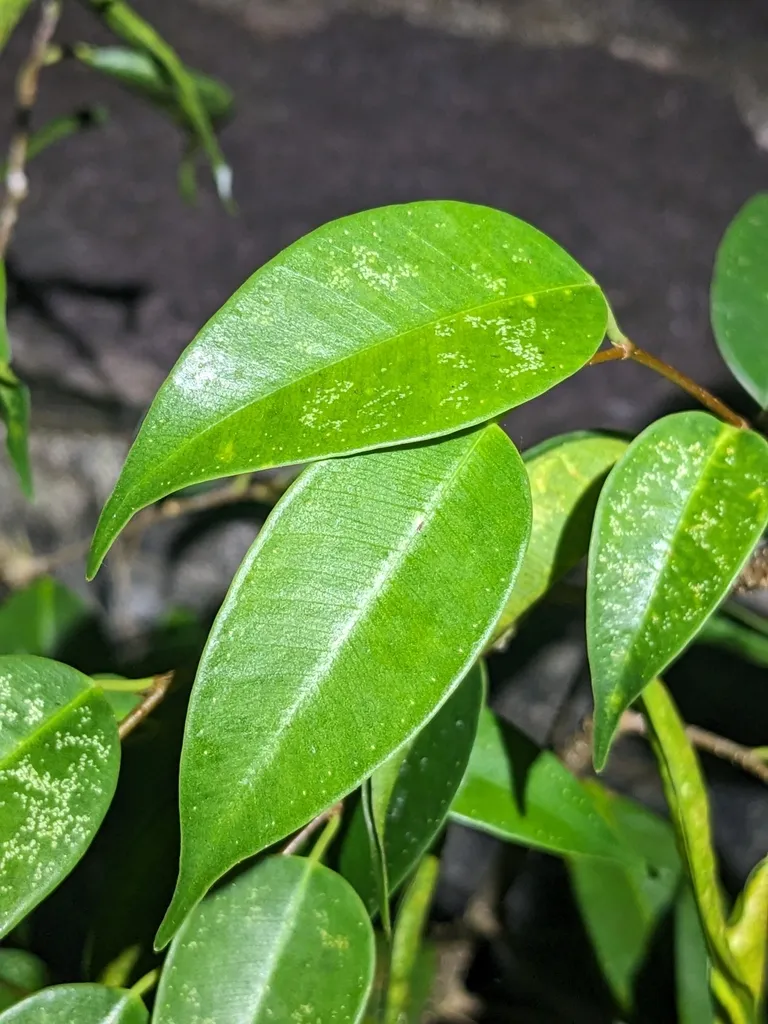
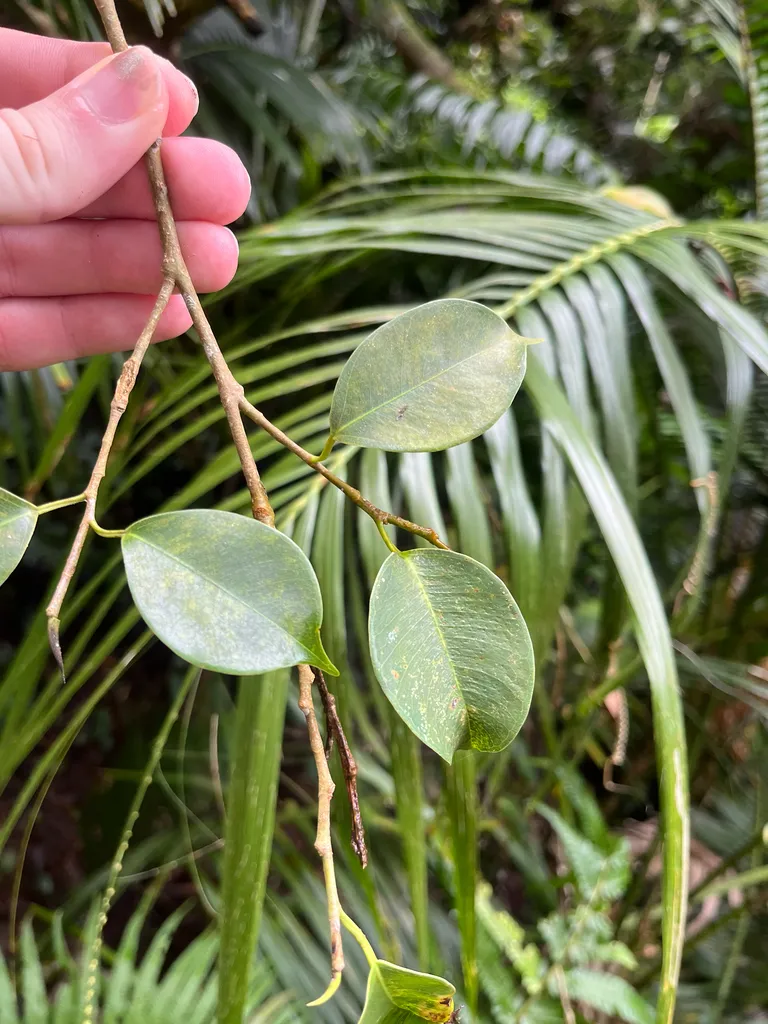
| Care difficulty | 3 / 5 |
|---|---|
| Watering schedule | Moderate regular watering, allowing brief slight drying between soakings |
| Sunlight requirements | Full sun |
| Ideal temperature | 18 – 27 °C |
| Soil type | Chalk · Clay · Loam · Sand |
| Soil pH | Acid · Alkaline · Neutral |
| Soil moisture | Moist but well drained |
| Fertilizing | Balanced perennial feed every four weeks from spring through summer |
| Toxicity | Skin allergen, harmful if eaten. Wear gloves and other protective equipment when handling] |
How to Water weeping fig?
Weeping fig thrives in high humidity environments, mirroring its origins in the warm climates of Asia and Australia. It has a moderate drought tolerance but flourishes best when the soil moisture is consistent without being waterlogged. Watering should occur once every 1-2 weeks, allowing the topsoil to dry out slightly between sessions. Weeping fig is predominantly an indoor plant that benefits from occasional misting to replicate its native tropical conditions, promoting lush foliage and a healthy growth cycle.
Learn more →What Are the Sunlight Requirements for weeping fig?
Weeping fig thrives optimally under partial sun, where the light is bright but diffused. Ideally, the exposure should be such that it receives a generous amount of indirect sunlight daily. While weeping fig shows a high degree of light flexibility, long-term placement in full sun may lead to scorched leaves, whereas full shade could result in stunted growth and sparse foliage. Weeping fig's leaves can adapt by tilting to capture light efficiently and may appear lighter in intense light. For indoor growth, near a sunny window with sheer curtains is suitable. Outdoor weeping fig should be planted where buildings or trees provide filtered sunlight.
Learn more →What Is the Ideal Temperature Range for weeping fig?

Weeping fig is relatively sensitive to temperature fluctuations, tolerating a range from approximately 0℃ (32℉) to 43℃ (109℉). While it can endure brief exposures to cold, prolonged periods below 0℃ may cause leaf drop and damage. Conversely, extreme heat above 43℃ can result in leaf scorching and wilting. For optimal care, protect weeping fig from drafts and sudden temperature changes. In colder climates, ensure it is sheltered from frost, and during heatwaves, maintain adequate humidity and shading. Symptoms of stress include browning leaf edges under heat and yellowing or fallen leaves in cold. Promptly move the plant to a stable environment to mitigate damage.
Learn more →What Soil Is Best for weeping fig?
Weeping fig prefers fertile soil and cannot resist barren ground. It does not like sticky soil with poor drainage, so a plot rich in organic substances and not easily compacted is preferred. The soil should be slightly acid, with a pH of 6-6.5. When used as a potted plant, mix leaf mold, garden soil, and organic fertilizer at a ratio of 4:3:3.
- Soil type
- Chalk · Clay · Loam · Sand
- Soil pH
- Acid · Alkaline · Neutral
What Are the Moisture Requirements for weeping fig?
Moist but well drained
Learn more →How to Fertilize weeping fig?

For weeping fig, optimal growth involves using high nitrogen fertilizers every 4-6 weeks during active growth phases—spring and summer. Aim for a balanced 3-1-2 ratio to support lush foliage. In fall and winter, fertilize less frequently, every 2-3 months, to align with weeping fig's slower growth. Use half the recommended strength to avoid over-fertilization, a common pitfall that can damage the roots and leaves. Seasonal attention ensures weeping fig receives the right nourishment for robust health and resilience.
Learn more →How to Prune weeping fig?

Weeping fig, known for its lush, arching branches and glossy leaves, thrives with regular pruning. Key techniques include removing dead or weak stems to enhance airflow and shape control. Optimal timing is from early to late winter, during its dormant period. Pruning promotes healthier growth, reduces pest risks, and maintains its aesthetic appeal. Always use clean, sharp tools to prevent disease. Refer to trusted horticultural guides for best practices.
Learn more →How to Propagate weeping fig?

The ideal propagation season for weeping fig is Spring, using methods such as cutting and layering. This plant may pose moderate difficulty for propagators. Look for new growth at the cutting sites as a sign of successful propagation. Ensure proper hydration and humidity for best results.
Learn more →How to Transplant weeping fig?
For weeping fig, the ideal time for transplanting is mid-spring to late spring, or mid-fall to late fall. This ensures optimal root establishment in a well-draining location with indirect sunlight. Remember to be gentle with the roots during transplant for a successful process!
Learn more →How to Care for weeping fig in Winter?

Weeping fig is a tropical native resilient to relatively stable conditions, often not tolerating temperatures below 50°F. With no inherent winter adaptations, weeping fig struggles in chillier climates. Gardeners should maintain a consistent indoor temperature while adjusting for lower light levels. Water generously, but avoid waterlogging the roots - crisp, yellow leaves may signal overwatering. A gentle misting can replicate weeping fig's humid natural habitat.
Learn more →How to Plant weeping fig?
Indoors-potted: In an indoor setting, weeping fig thrives with stable temperatures; avoid placing near drafty windows or heating vents to prevent leaf drop. Outdoors-potted: Weeping fig, when potted outdoors, can be sensitive to drastic changes in moisture; ensure proper drainage to keep its roots healthy. Outdoors-in the ground: Planted in the ground, weeping fig becomes a robust tree; however, it may struggle with cold climates and should be sheltered from frost.
Learn more →How to Repot weeping fig?
Repot weeping fig, a tree-like plant with a graceful weeping habit, every 2-3 years to accommodate its growth. Optimal timing is spring, signalling active growth. Upgrade to a container only one size larger to avoid overwatering issues. Post-repotting, ensure weeping fig receives indirect light and consistent moisture, avoiding drafts for its sensitive foliage. A pot with drainage holes is crucial for weeping fig's health.
Learn more →How to Harvest weeping fig?

Information to be completed
Learn more →Common Pests & Diseases

Diseases
May be susceptible to honey fungus
Pests
May be susceptible to glasshouse red spider mite, thrips, mealybugs and scale insects under glass
Explore the plant health library →The Toxicity of weeping fig
Skin allergen, harmful if eaten. Wear gloves and other protective equipment when handling]