



Planting and Growing banyan

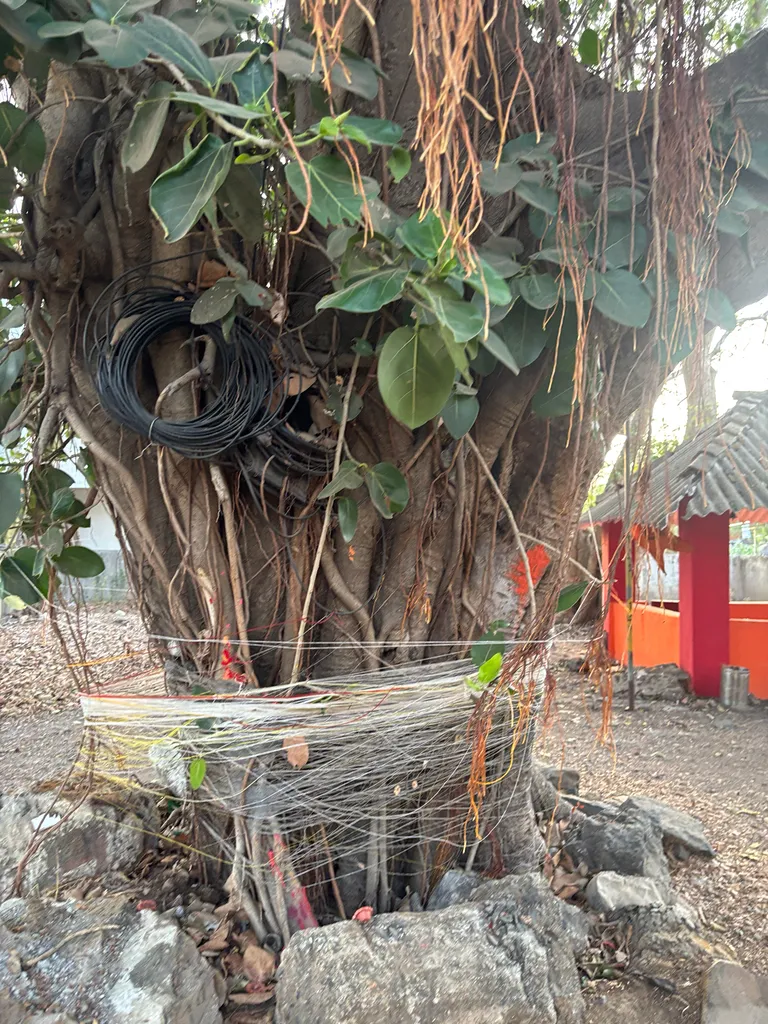
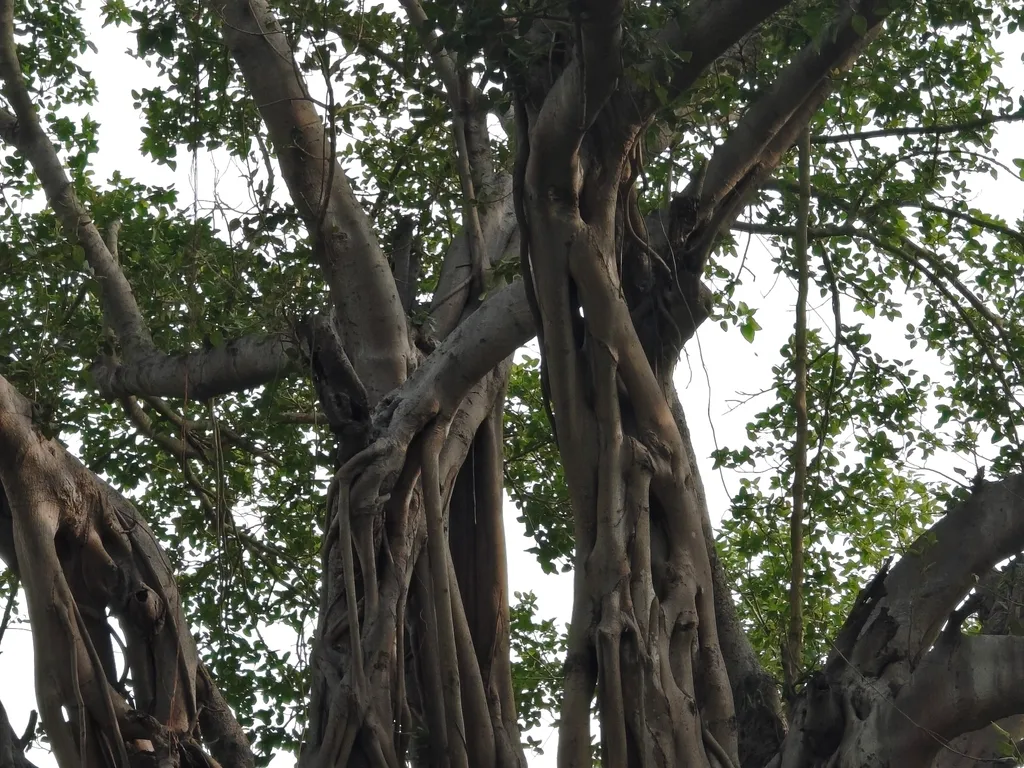
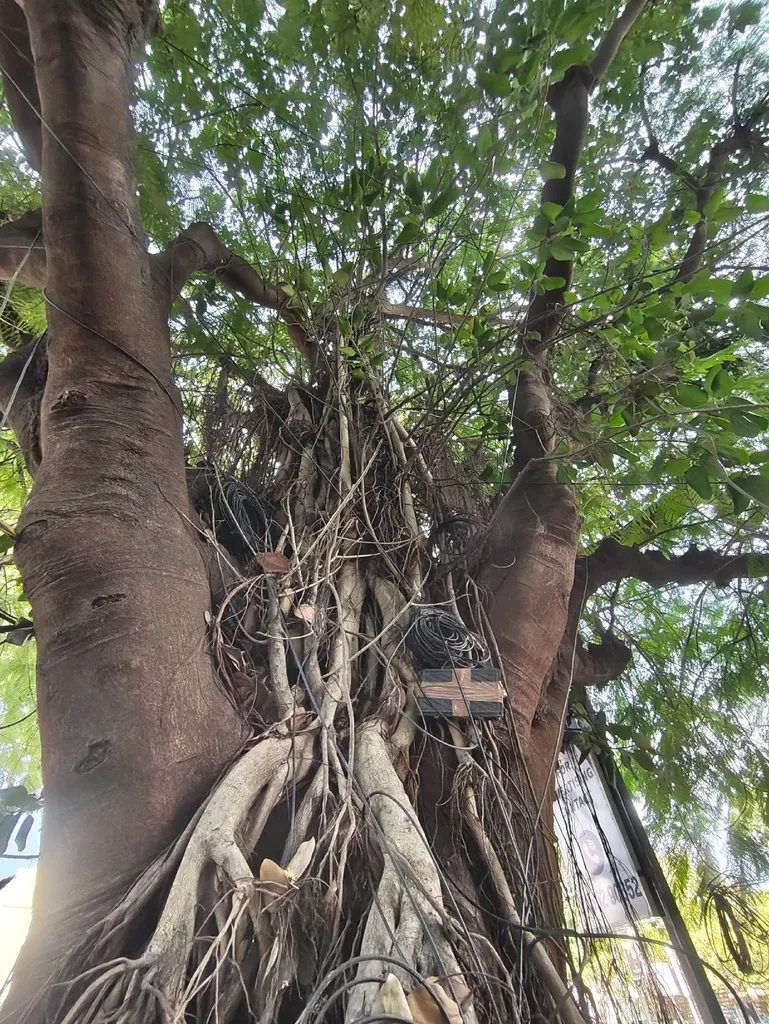
| Care difficulty | 2 / 5 |
|---|---|
| Watering schedule | Moderate regular watering, allowing brief slight drying between soakings |
| Sunlight requirements | Full sun |
| Ideal temperature | 18 – 27 °C |
| Soil type | Chalk · Clay · Loam · Sand |
| Soil pH | Acid · Alkaline · Neutral |
| Soil moisture | Moist but well drained |
| Fertilizing | Balanced perennial feed every four weeks from spring through summer |
| Toxicity | Skin allergen. Wear gloves and other protective equipment when handling |
How to Water banyan?
Native to the Indian subcontinent, banyan tree thrives in a humid environment and can often be found in regions where monsoon climates dominate. This species exhibits a high tolerance for brief periods of drought but generally prefers consistent moisture to mimic its natural habitat. The watering regimen for banyan tree should be adjusted to once every 1-2 weeks, ensuring that the soil remains lightly moist but not waterlogged. As an evergreen plant commonly grown outdoors, banyan tree's extensive root system is adept at seeking out moisture, making it less dependent on frequent watering compared to other species.
Learn more →What Are the Sunlight Requirements for banyan?
Optimal light conditions for banyan tree consist of partial sun exposure, offering a balanced mix of sunlight and shade throughout the day. While banyan tree tolerates a range of light levels, from full sun to full shade, growth and health thrive under moderated light. Excessive shadow may slow growth, whereas intense, sustained sun can cause leaf scorch. Banyan tree adapts to light variations by adjusting leaf orientation to optimize light absorption. Outdoors, it is recommended to plant banyan tree in a location that mimics its natural dappled sunlight habitat, safeguarding its luxuriant canopy and robust growth.
Learn more →What Is the Ideal Temperature Range for banyan?

Banyan tree demonstrates remarkable resilience to temperature variations, withstanding cold as low as 5℃ (41°F) and heat up to 43℃ (109°F). However, in colder conditions, symptoms like leaf drop and stunted growth may appear, while excessive heat can cause leaf scorch and wilting. To maintain banyan tree's health, protective measures such as mulching in winter and providing shade in extreme heat are necessary. Its broad temperature tolerance makes banyan tree suitable for diverse environments, but monitoring and adjusting care during temperature extremes are crucial.
Learn more →What Soil Is Best for banyan?
Banyan tree prefers well-drained soil with good aeration. Use a mix of garden soil, compost, and sand in equal parts for an ideal combination. Ensure proper drainage by adding pebbles or broken pottery at the bottom of the pot. Fertilize with a balanced formula every two months during the growing season to enhance growth. Avoid water-logging to prevent root rot.
- Soil type
- Chalk · Clay · Loam · Sand
- Soil pH
- Acid · Alkaline · Neutral
What Are the Moisture Requirements for banyan?
Moist but well drained
Learn more →How to Fertilize banyan?

Fertilizing banyan tree with high nitrogen fertilizers supports vigorous growth and lush foliage. Apply a balanced, slow-release formula quarterly during growing seasons for optimal benefits. Excessive quantities can harm roots; hence, follow manufacturer's guidelines for correct dosing. In dormant winter periods, reduce fertilization frequency. Use granules for uniform distribution, avoiding direct contact with the trunk to prevent burn. An accurate soil analysis can guide adjustments in fertilization strategy tailored to banyan tree's specific needs.
Learn more →How to Prune banyan?

Banyan tree is known for its extensive aerial roots and broad canopy. Optimal pruning occurs from early to late winter. Key techniques include removing dead or diseased branches, thinning out overcrowded areas, and controlling the tree’s expansive growth. Pruning can enhance air circulation and light penetration, promoting overall health. Regular maintenance prevents structural issues and keeps the plant manageable. Use sterile tools to avoid infections, ensuring each cut promotes robust regrowth.
Learn more →How to Propagate banyan?

Banyan tree propagates ideally in Spring through cutting and layering techniques. It has a moderate difficulty level for propagation. Success is indicated by new foliage and root growth. Patience and proper technique are crucial for successful propagation.
Learn more →How to Transplant banyan?
Transplanting banyan tree thrives in a balmy, vernal season, when vitality in nature reawakens. Choose well-lit, spacious locales to accommodate their extensive root systems. Gentle handling is paramount to safeguard the delicate feeder roots.
Learn more →How to Care for banyan in Winter?

Banyan tree hails from warm, tropical climates with no true winter season. This giant thrives in consistent heat and high humidity, having no natural winter adaptations. Gardeners must beware; banyan tree can't tolerate frost, often requiring sheltered indoor locations in winter. Some serious light-provisioning and frequent, controlled watering helps mimic its natural environment, ensuring banyan tree will continue flourishing despite winter weather!
Learn more →How to Plant banyan?
Indoors-potted: Ensure your banyan tree has space to thrive; its vigorous roots are known for expansive growth even indoors. Outdoors-potted: Outdoor pots can constrain the banyan tree's robust root system, so choose a spacious container to accommodate its growth habit. Outdoors-in the ground: Banyan tree requires ample growing space as it matures into a majestic tree with a wide canopy, perfect for shade.
Learn more →How to Repot banyan?
Repot banyan tree every 2-3 years in spring, before its rapid growth phase. As a large, tree-like plant, it needs a sturdy, spacious container that supports its extensive root system. Post-repotting, place banyan tree in indirect light and maintain consistent moisture without overwatering. Its aerial roots demand careful handling. A friendly reminder: patience is key to accommodate banyan tree's adjustment to its new home.
Learn more →How to Harvest banyan?

Information to be completed
Learn more →Common Pests & Diseases

Diseases
May be susceptible to honey fungus
Pests
May be susceptible to glasshouse red spider mite, thrips, mealybugs and scale insects under glass
Explore the plant health library →The Toxicity of banyan
Skin allergen. Wear gloves and other protective equipment when handling