



Planting and Growing Exeter passion flower

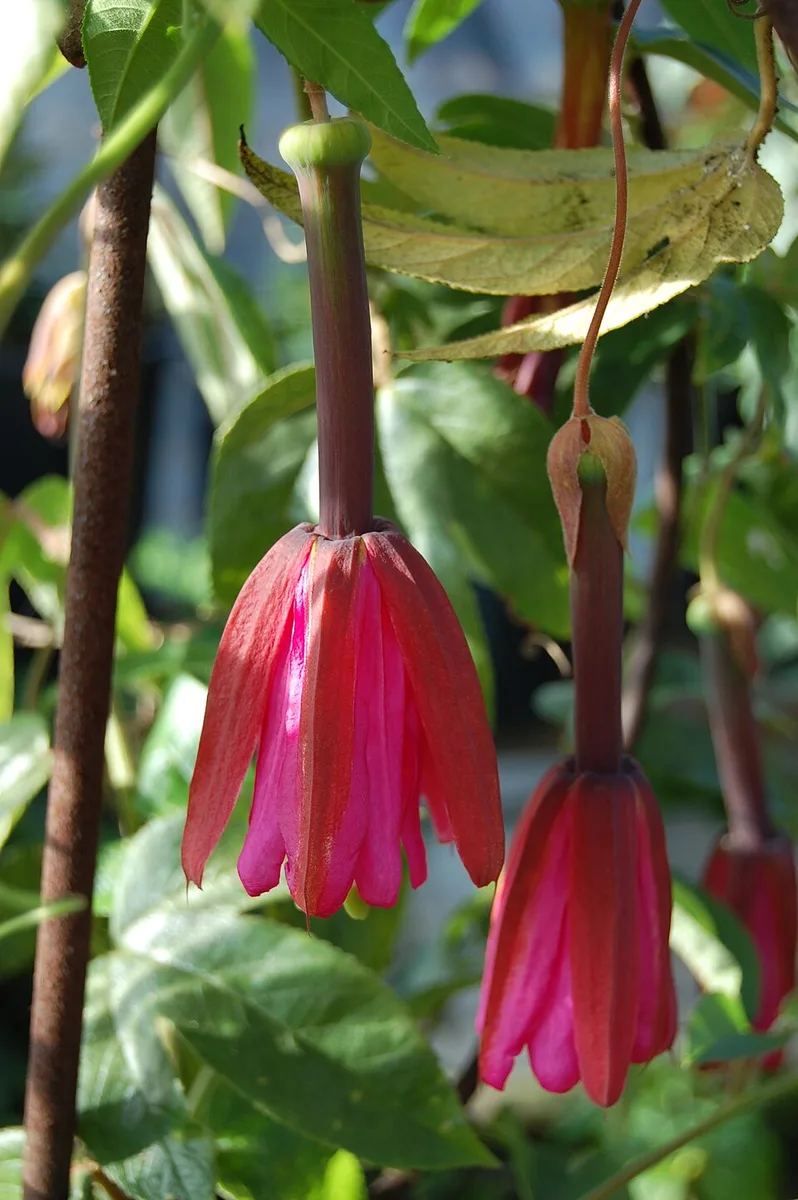
| Care difficulty | 3 / 5 |
|---|---|
| Watering schedule | Water regularly, keeping the soil moist but well-drained; reduce in winter. |
| Sunlight requirements | Full sun · Partial shade |
| Ideal temperature | Information to be completed |
| Soil type | Loam · Sand |
| Soil pH | Acid · Alkaline · Neutral |
| Soil moisture | Moist but well drained |
| Fertilizing | Apply a balanced fertilizer monthly during the growing season. |
| Toxicity | Fruit are ornamental - not to be eaten. Wear gloves and other protective equipment when handling |
How to Water Exeter passion flower?
Water regularly, keeping the soil moist but well-drained; reduce in winter.
Learn more →What Are the Sunlight Requirements for Exeter passion flower?
Full sun · Partial shade
Learn more →What Is the Ideal Temperature Range for Exeter passion flower?

Information to be completed
Learn more →What Soil Is Best for Exeter passion flower?
- Soil type
- Loam · Sand
- Soil pH
- Acid · Alkaline · Neutral
What Are the Moisture Requirements for Exeter passion flower?
Moist but well drained
Learn more →How to Fertilize Exeter passion flower?

Apply a balanced fertilizer monthly during the growing season.
Learn more →How to Prune Exeter passion flower?

Routine pruning is unnecessary; shorten overlong shoots to fit the available space. For last-year flowering growth, prune after flowering; for current-year flowering growth, prune in late winter or spring. This guidance is for established plants.
Learn more →How to Propagate Exeter passion flower?

Propagate by seed sown at 13 to 18°C in spring or root semi-hardwood cuttings in summer. Layering can be carried out in spring or autumn
Learn more →How to Transplant Exeter passion flower?
Information to be completed
Learn more →How to Care for Exeter passion flower in Winter?

Information to be completed
Learn more →How to Plant Exeter passion flower?
Under glass grow in loam-based potting compost such as John Innes No. 3 in full light with shade from hot sun. Water freely when in growth and sparingly in winter. Well suited for a cool conservatory. May be grown outdoors in most fertile, moist but well-drained soils in mild areas. Hardy to about -1°C, an excellent drainage is essential, but best grown under cover. Provide support for climbing stems and shelter from cold, drying winds
Learn more →How to Repot Exeter passion flower?
Information to be completed
Learn more →How to Harvest Exeter passion flower?

Information to be completed
Learn more →Common Pests & Diseases

Diseases
May be susceptible to honey fungus (rarely) and a virus
Pests
May be susceptible to glasshouse red spider mite, scale insects and glasshouse whitefly
Explore the plant health library →The Toxicity of Exeter passion flower
Fruit are ornamental - not to be eaten. Wear gloves and other protective equipment when handling