



Planting and Growing Nepenthes alata

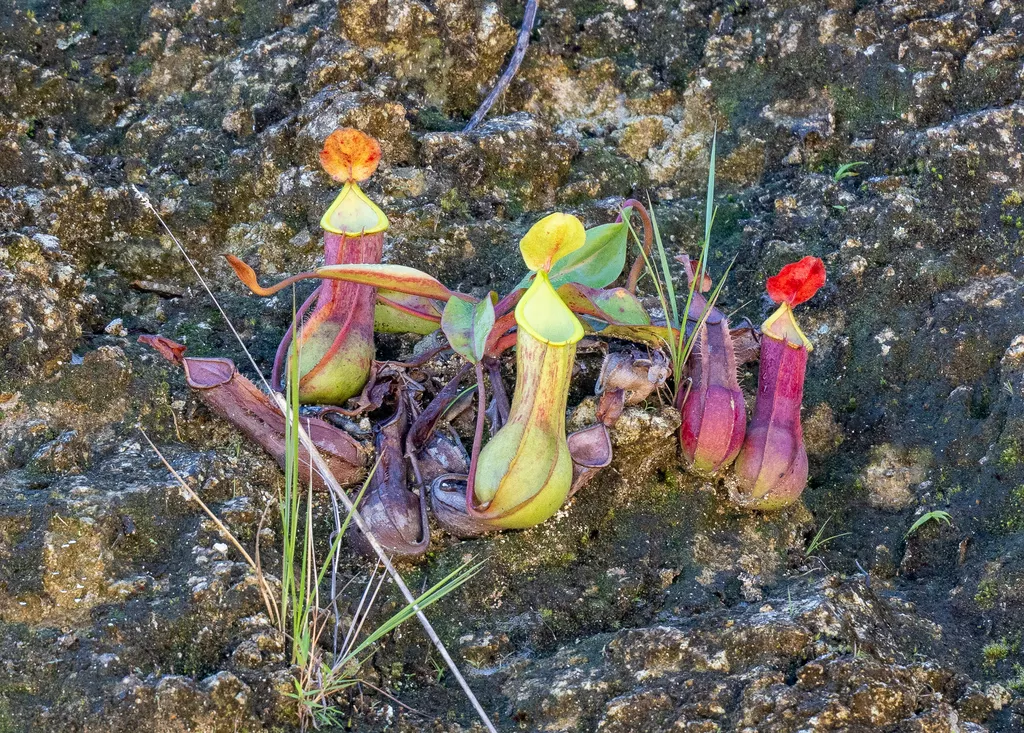
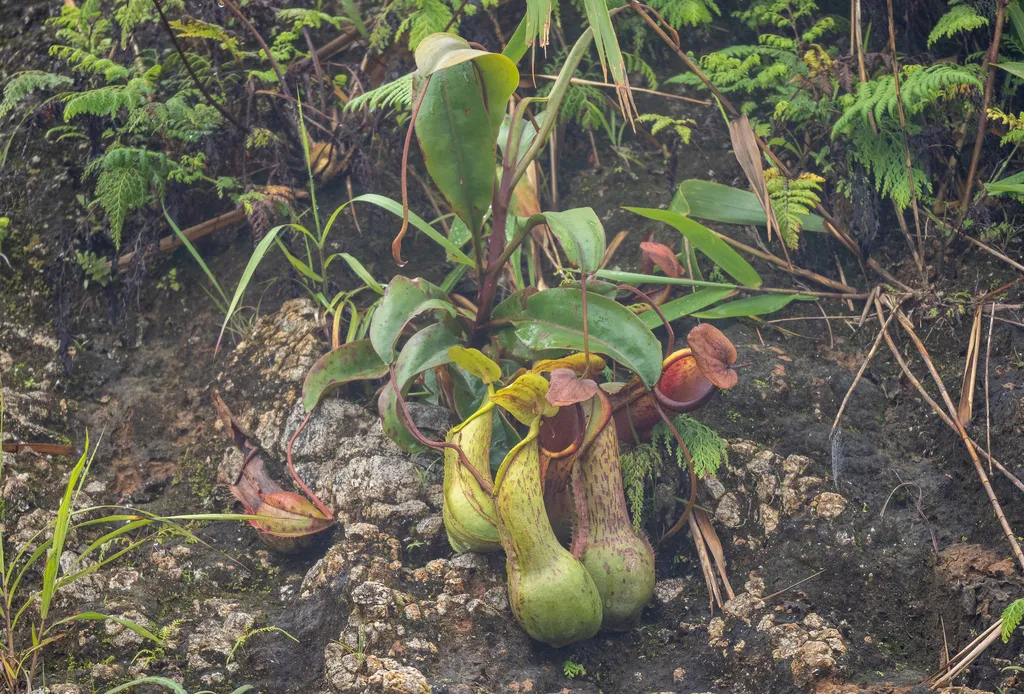
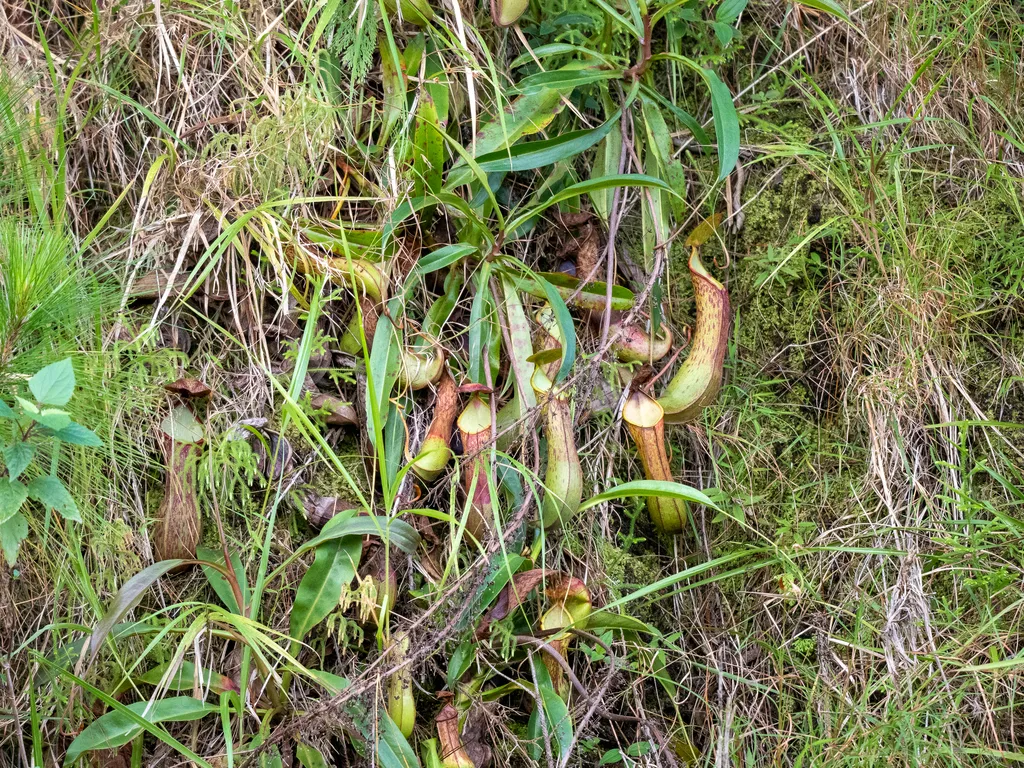
| Care difficulty | 4 / 5 |
|---|---|
| Watering schedule | Keep pitcher medium constantly damp, use pure rainwater for irrigation supply |
| Sunlight requirements | Partial shade |
| Ideal temperature | Information to be completed |
| Soil type | Loam |
| Soil pH | Acid |
| Soil moisture | Moist but well drained |
| Fertilizing | No fertilizer needed, obtain nutrients naturally from captured insect prey |
| Toxicity | Information to be completed |
How to Water Nepenthes alata?
Keep pitcher medium constantly damp, use pure rainwater for irrigation supply
Learn more →What Are the Sunlight Requirements for Nepenthes alata?
Partial shade
Learn more →What Soil Is Best for Nepenthes alata?
- Soil type
- Loam
- Soil pH
- Acid
What Are the Moisture Requirements for Nepenthes alata?
Moist but well drained
Learn more →How to Fertilize Nepenthes alata?

No fertilizer needed, obtain nutrients naturally from captured insect prey
Learn more →How to Prune Nepenthes alata?

Trim out spent pitchers
Learn more →How to Propagate Nepenthes alata?

Propagate from stem cuttings in February or sow seeds
Learn more →How to Plant Nepenthes alata?
Grow indoors in hanging baskets in a acidic, low nutrient specialist mix in bright filtered light with high humidity. See Carnivorous plant cultivation
Learn more →Common Pests & Diseases

Diseases
Generally disease-free
Pests
May be susceptible to mealybugs and aphids
Explore the plant health library →Troubleshooting
Failure to Form Pitchers or Developing Pitchers Drying Up
Nepenthes alata (Nepenthes alata) produces leaves first and inflates pitchers only when light, humidity, and low-mineral water conditions are met.
| What you notice | Possible explanation | What to check next |
|---|---|---|
| Leaves grow healthy and green, but tendril tips remain tiny brown nubs without inflating | Insufficient bright light or low ambient humidity preventing pitcher development | Evaluate daily light intensity and indoor humidity levels |
| Older lower pitchers turn brown from the lid downward while upper leaves are healthy | Natural aging of older pitchers after completing their digestive cycle | Confirm that newer upper leaves and developing tendrils look fresh and green |
| Newly forming pitchers shrivel before opening and leaf tips brown | Tap water mineral buildup, fertilizer burn, or sudden drop in humidity after relocation | Check what water source is being used and whether fertilizer was applied to the soil |
- Move the plant to very bright, filtered light (such as an east window or lightly shaded south/west window).
- Water exclusively with rainwater, distilled water, or reverse-osmosis water, keeping the acidic low-nutrient mix (sphagnum moss and perlite/bark) evenly damp.
- Avoid adding standard houseplant fertilizers to the potting medium; let outdoor insects or occasional tiny dried bloodworms feed mature pitchers.
- Trim completely browned pitchers cleanly at the tendril once dry.
Stop watering if the stem base turns black and mushy, and check for crown rot.
Note that many commercial Nepenthes alata plants are vigorous hybrids (such as N. x ventrata) that still require pure low-mineral water and bright filtered light.
Blackening Stems, Root Rot, or Sap-Sucking Pests
Soggy, decomposed potting media or pests like mealybugs and aphids can weaken vining pitcher plants.
| What you notice | Possible explanation | What to check next |
|---|---|---|
| Lower stem turns black and soft while leaves yellow and collapse | Waterlogged, broken-down sphagnum media or cold temperatures below 12–15°C | Check whether the pot sits in stagnant water or old moss has turned slimy |
| Sticky honeydew, distorted new leaves, or white cottony insects along tendrils | Aphids, mealybugs, or scale insects feeding on tender shoots | Inspect growing tips, leaf undersides, and pitcher rims closely |
- Ensure hanging baskets or pots drain freely and never sit submerged in stagnant saucers.
- Repot into fresh long-fiber sphagnum moss blended with perlite or fine orchid bark if the old medium has compacted.
- Isolate pest-infested plants and remove aphids or mealybugs manually with a damp swab or soft water spray.
Avoid harsh chemical sprays or oil-based products that can burn sensitive carnivorous foliage and pitchers; consult a carnivorous plant specialist if pests persist.