



Planting and Growing bloody cranesbill

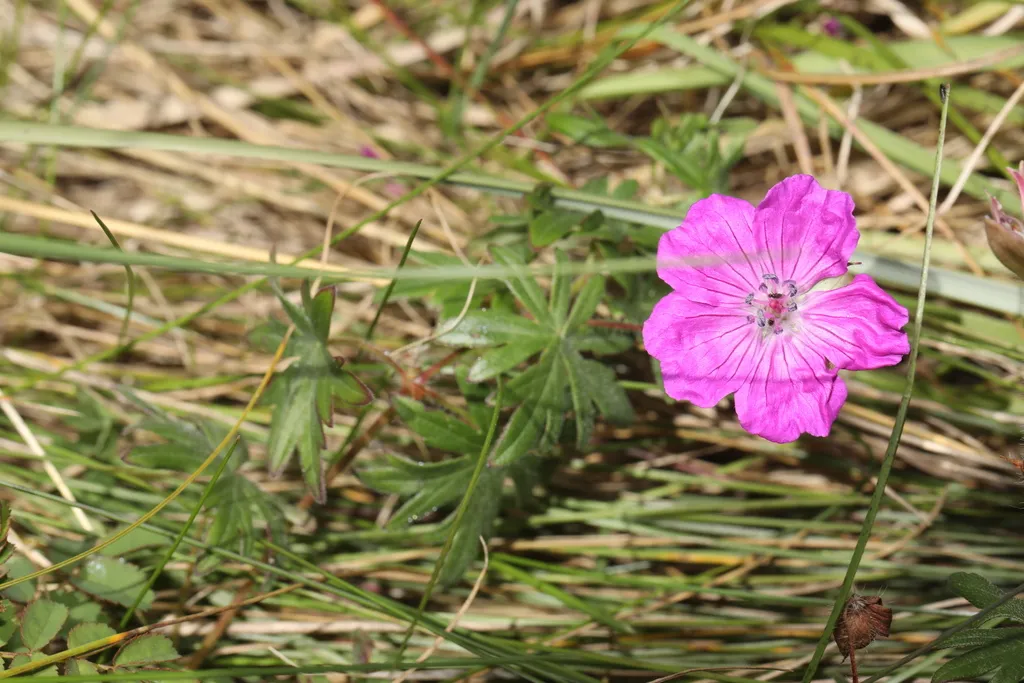

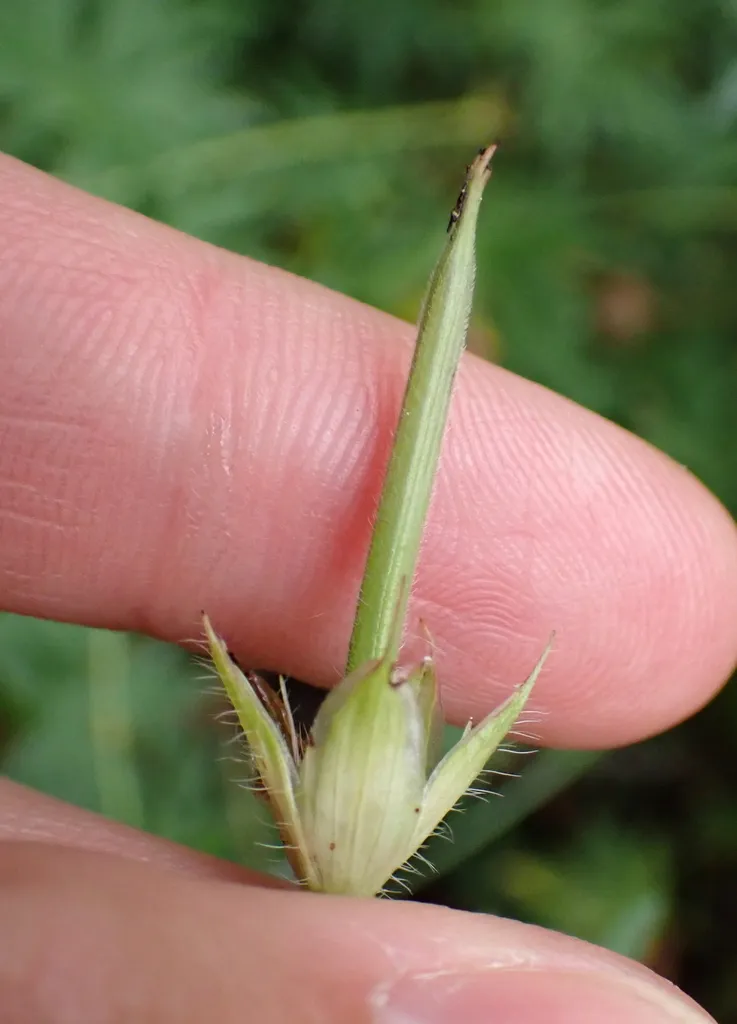
| Care difficulty | 2 / 5 |
|---|---|
| Watering schedule | Moderate regular watering, allowing brief slight drying between soakings |
| Sunlight requirements | Full sun · Partial shade |
| Ideal temperature | 15 – 25 °C |
| Soil type | Chalk · Clay · Loam · Sand |
| Soil pH | Acid · Alkaline · Neutral |
| Soil moisture | Moist but well drained · Well drained |
| Fertilizing | Balanced perennial feed every four weeks from spring through summer |
| Toxicity | Information to be completed |
How to Water bloody cranesbill?
Native to temperate regions, bloody cranesbill thrives in environments that mimic its natural habitat's moderate moisture levels. It is well-adapted to periods of low water availability, showing a preference for drier conditions and requiring watering once every 1-2 weeks. Given its outdoor growth habit, bloody cranesbill benefits from the cooling effect of evapotranspiration during hot seasons, making it an excellent candidate for gardeners looking to conserve water while maintaining lush landscapes.
Learn more →What Are the Sunlight Requirements for bloody cranesbill?
Bloody cranesbill thrives best in full sun, which optimizes its growth, flowering capability, and overall health. Exposure to direct sunlight for at least six hours per day is ideal, encouraging more robust blooms and vibrant foliage. Although bloody cranesbill tolerates partial sun, reduced light exposure may lead to fewer flowers and somewhat diminished vitality. Outdoors, bloody cranesbill should be planted in positions that receive ample sunlight to capitalize on its light-related traits. Adaptive traits include leaves that might adjust to optimize light absorption, ensuring best growth and bloom results.
Learn more →What Is the Ideal Temperature Range for bloody cranesbill?

Bloody cranesbill, resilient to temperature fluctuations, can endure cold down to 0℃ (32℉) and heat up to 38℃ (100℉). This broad tolerance means bloody cranesbill can thrive in diverse environments but requires care during extremes. In cold, expect wilting and discolored leaves; in heat, wilting and scorched leaves may occur. Protect with mulch in winter and provide shade or increased watering in summer. Adjust care practices to safeguard against temperature extremes, ensuring bloody cranesbill remains healthy.
Learn more →What Soil Is Best for bloody cranesbill?
Bloody cranesbill prefers well-drained soil with good aeration to prevent water-logging. Use garden soil mixed with equal parts sand and compost for optimal conditions. If sand is unavailable, perlite or small gravel can be alternatives for improved drainage. Adding a balanced, slow-release fertilizer at planting time can boost nutrient levels. Ensure regular drainage checks and adjust watering to keep the roots healthy and thriving.
- Soil type
- Chalk · Clay · Loam · Sand
- Soil pH
- Acid · Alkaline · Neutral
What Are the Moisture Requirements for bloody cranesbill?
Moist but well drained · Well drained
Learn more →How to Fertilize bloody cranesbill?

To boost bloody cranesbill's growth and flowering, apply a balanced fertilizer (10-10-10) in spring and high phosphorus formula pre-bloom. Fertilize monthly during active growth, using 1/4 strength. Over-fertilizing can harm bloody cranesbill, so stick to recommended quantities. Fertilizer needs decrease in winter; pause applications. For effective application, water soil before adding fertilizer, ensuring nutrient absorption without root burn.
Learn more →How to Prune bloody cranesbill?

Characterized by its vibrant blooms and low maintenance, bloody cranesbill thrives with specific pruning methods. Prune in early to late spring to remove dead or damaged stems, encourage new growth, and maintain shape. Use sharp, clean tools to prevent disease. This timing harmonizes with its growth cycle, increasing flowering and plant vigor. Regular pruning also improves air circulation and reduces disease risk, ensuring a healthier, more attractive plant.
Learn more →How to Propagate bloody cranesbill?

Propagate bloody cranesbill by sowing in Spring, which is the ideal season. While not difficult to propagate, watch for new shoots as a sign of success. Ensure proper moisture in the soil for optimal growth.
Learn more →How to Transplant bloody cranesbill?
The best time to transplant bloody cranesbill is mid-spring to early summer, or mid-fall to early winter when the plant has an easier time adjusting. Choose a well-drained site with adequate sun-filled location. Just remember to keep the soil consistently moist during the first few weeks, ensuring a successful transition.
Learn more →How to Plant bloody cranesbill?
Indoors-potted: Keep bloody cranesbill near a bright window to encourage robust growth, being mindful of humidity levels which can affect its vibrancy indoors. Outdoors-potted: Bloody cranesbill, when outdoors in a pot, thrives with ample airflow around it, preventing common fungal issues. Outdoors-in the ground: Planting bloody cranesbill in well-draining soil outdoors allows it to form natural clumps, enhancing its ornamental appeal.
Learn more →How to Repot bloody cranesbill?
Repot bloody cranesbill as a low-growing, sprawling perennial every 2-3 years, ideally in spring to align with its growth cycle. Choose a wider container to accommodate the spreading habit. After repotting, water evenly and provide bright, indirect light to ease the transition and encourage vigorous growth. Bloody cranesbill's resilience makes it a delightful yet undemanding garden companion.
Learn more →How to Harvest bloody cranesbill?

Most of the bloody cranesbill varieties are seed bearing, with only a few that aren't, making collecting of the seeds very convenient. For planting by sowing, the mature seeds should be collected. Its flowering period is in the summer, while its fruiting period is in late summer or early fall. Its seed pods will slowly change color when they begin to mature, and a part of them will begin to burst outwards. They can be collected in paper bags at this point, ventilated and dried, and the best seeds can be selected for storage. When the fruit matures in summer and fall, the part above the ground can be cut off or be pulled up entirely. Clean off the soil and impurities and dry it in the sun to be used for medicinal purposes.
Learn more →Common Pests & Diseases

Diseases
May be affected by a downy mildew and powdery mildews
Pests
May get vine weevil, capsid bug and sawflies
Explore the plant health library →Troubleshooting
Leggy Stems, Sparse Flowering, or Root Rot
bloody cranesbill (Geranium sanguineum) performs best in well-drained soil with appropriate sunlight and regular deadheading; soggy soil rots roots, while low light or skipped pinching causes leggy growth.
| What you notice | Possible explanation | What to check next |
|---|---|---|
| Stems stretch tall and floppy with sparse blooms | Insufficient direct sunlight, lack of early-season pinching/deadheading, or excess high-nitrogen fertilizer | Assess daily sun hours and check whether spent flowers are left to set seed |
| Lower leaves turn yellow and plant wilts while soil stays wet and heavy | Root or stem rot from overwatering or poor drainage (May be affected by a downy mildew and powdery mildews) | Check soil drainage and ensure containers have open drainage holes |
- Grow in fertile, well-drained soil in full sun or partial shade, spacing plants for good airflow.
- Water consistently without waterlogging: Moderate regular watering, allowing brief slight drying between soakings.
- Maintain compact flowering growth: Remove flowered stems and old leaves to encourage the production of fresh leaves and flowers.
Stop watering waterlogged containers immediately and improve drainage before fungal root or stem rot spreads.
Powdery Mildew, Rust, or Aphids and Slugs
Crowded foliage, dry root stress, or damp stagnant air can trigger mildew or rust on bloody cranesbill (Geranium sanguineum), while tender shoots attract pests.
| What you notice | Possible explanation | What to check next |
|---|---|---|
| White powdery coating or rusty/dark spots on leaves in humid or drought-stressed beds | Fungal disease (May be affected by a downy mildew and powdery mildews) | Inspect lower leaves and spent blooms and check plant spacing |
| Distorted shoot tips with aphids, or ragged holes chewed in young leaves | Common pests (May get vine weevil, capsid bug and sawflies) | Check shoot tips, leaf undersides, and damp ground around the crown |
- Water at the base of the plant early in the day rather than overhead, and divide congested clumps in spring or autumn every 2–3 years.
- Remove diseased leaves and faded flowers promptly, and clear plant debris at season's end.
- Manage aphids with a firm water spray or insecticidal soap per label directions, and protect young shoots from slugs.
Protect frost-tender tubers or half-hardy bedding indoors or under glass before autumn frosts.