



Planting and Growing Egyptian star

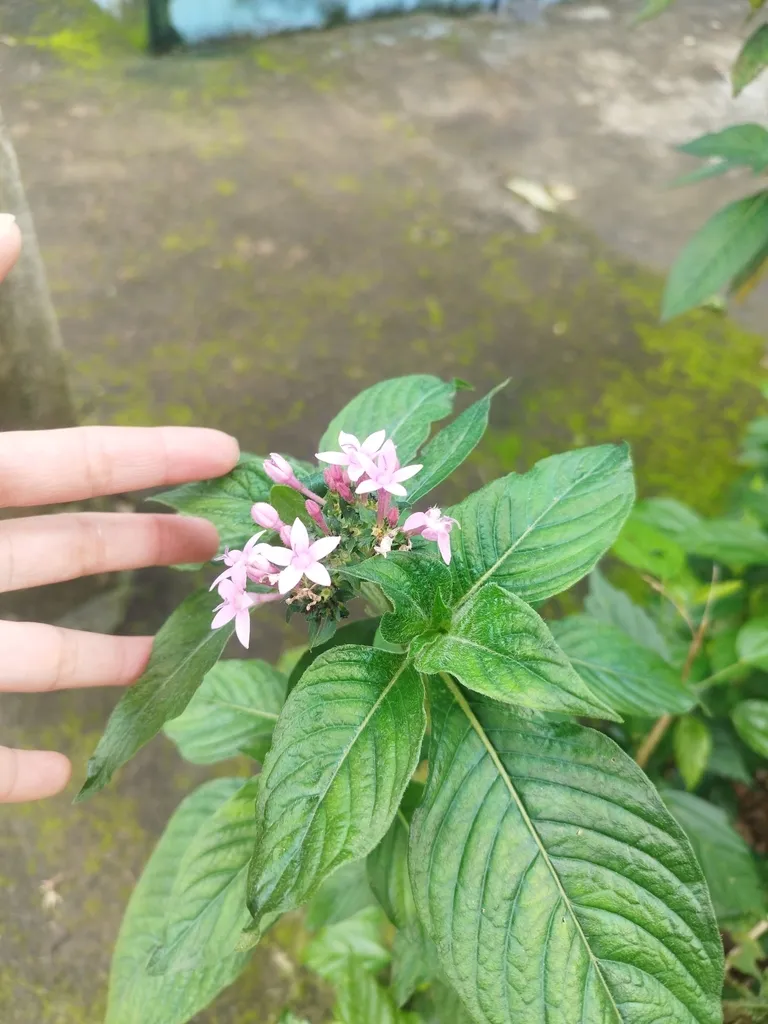
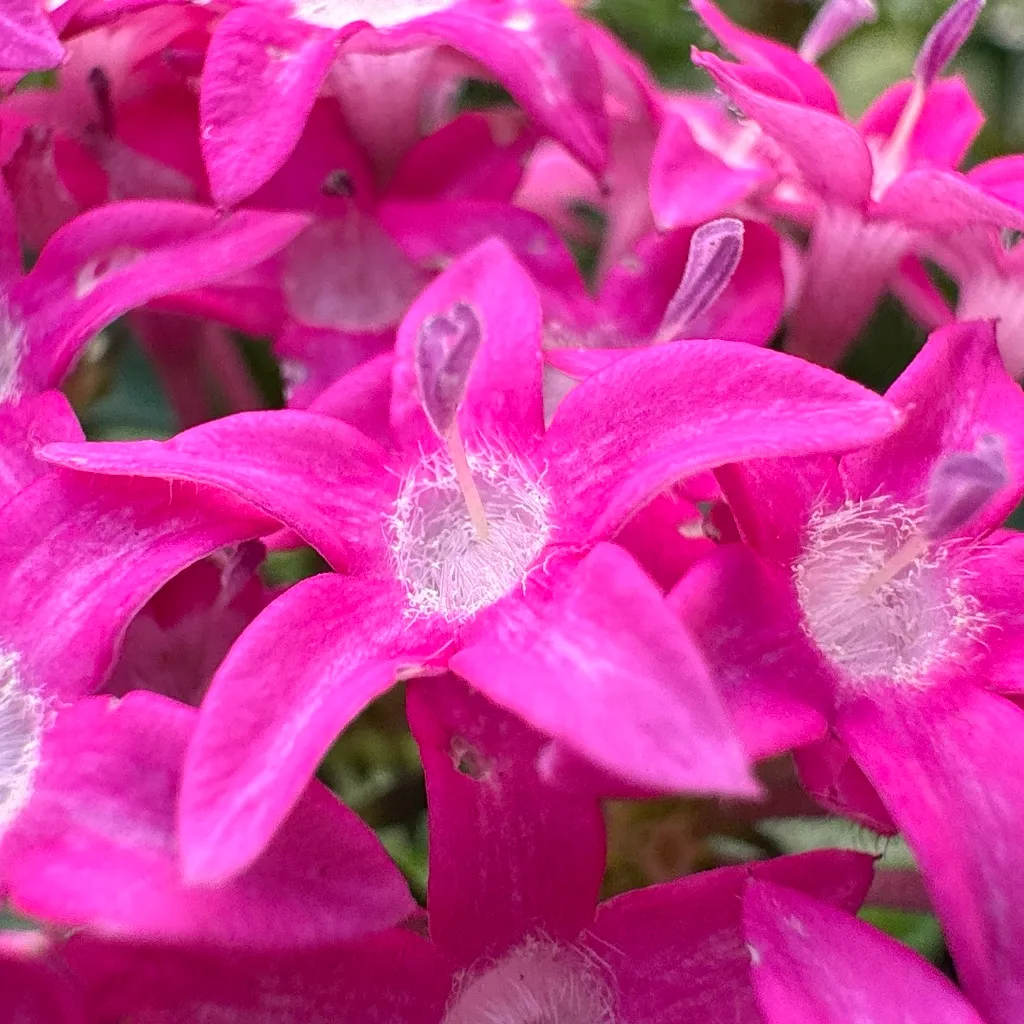
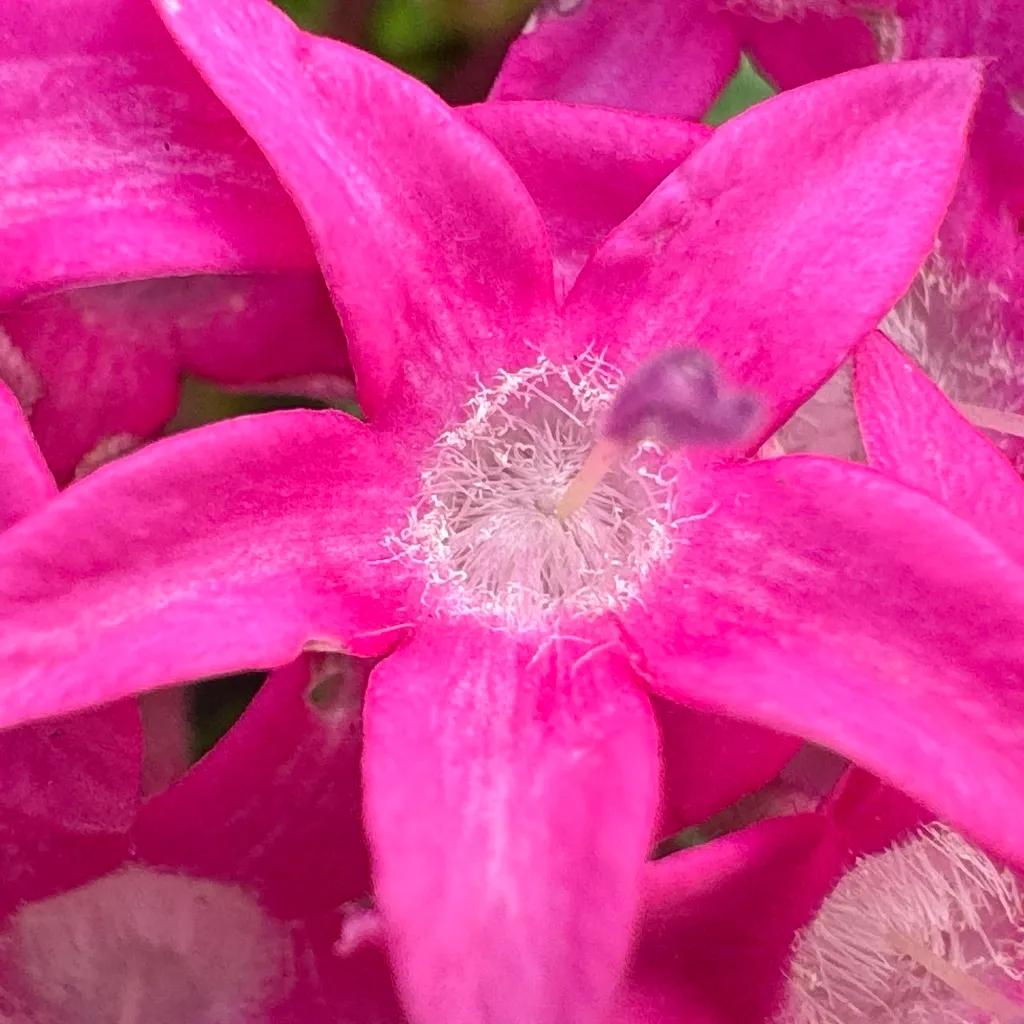
| Care difficulty | 2 / 5 |
|---|---|
| Watering schedule | Moderate regular watering, allowing brief slight drying between soakings |
| Sunlight requirements | Full sun |
| Ideal temperature | 20 – 30 °C |
| Soil type | Loam |
| Soil pH | Acid · Alkaline · Neutral |
| Soil moisture | Moist but well drained · Well drained |
| Fertilizing | Balanced perennial feed every four weeks from spring through summer |
| Toxicity | Information to be completed |
How to Water Egyptian star?
Originating from tropical regions, egyptian starcluster thrives in environments with consistent moisture and high humidity. This species is well-adapted to regular hydration but can withstand short periods of dryness. Watering should be done once every week to maintain its lush growth. Typically grown outdoors due to its preference for warm climates, egyptian starcluster benefits greatly from the increased humidity found in open spaces. As a flowering plant, egyptian starcluster's bloom vitality is significantly enhanced by adequate watering during its growing season.
Learn more →What Are the Sunlight Requirements for Egyptian star?
Egyptian starcluster thrives in full sun, soaking up at least six to eight hours of direct light daily to optimize its growth and flowering potential. While egyptian starcluster is tolerant of partial sun, receiving fewer hours of direct light, this deviation can impact its bloom density and vigor. Egyptian starcluster may adjust its leaf orientation to capture light more effectively under suboptimal exposure. In an outdoor setting, egyptian starcluster should be planted in a spot that assures ample sunlight throughout the day. For indoor cultivation, positioning egyptian starcluster near a window with generous light ensures it meets its light requirements for robust health and floriferous display.
Learn more →What Is the Ideal Temperature Range for Egyptian star?

Egyptian starcluster demonstrates a moderate resilience to temperature fluctuations, tolerating a range from 5℃ (41℉) to 43℃ (109℉). It can endure mild cold but is sensitive to frost and excessively low temperatures. In heat, egyptian starcluster can survive intense warmth but may suffer from leaf scorch or wilting if exposed to prolonged extreme heat. Caring for egyptian starcluster in variable climates necessitates measures such as mulching during cold spells and providing shade or irrigation during high heat. Symptoms of cold stress include yellowing leaves and stunted growth, while heat stress manifests as browning leaf edges and drooping leaves. To counteract overcooling, employ frost cloths or move indoors; for overheating, increase watering and provide shade.
Learn more →What Soil Is Best for Egyptian star?
Egyptian starcluster thrives with good soil aeration to prevent water-logging. A recommended mix consists of equal parts potting mix and perlite or sand to ensure drainage. If perlite is unavailable, pumice or gravel could substitute. Regular applications of a balanced, water-soluble fertilizer will promote growth. Amend with organic matter annually for nutrient replenishment.
- Soil type
- Loam
- Soil pH
- Acid · Alkaline · Neutral
What Are the Moisture Requirements for Egyptian star?
Moist but well drained · Well drained
Learn more →How to Fertilize Egyptian star?

For optimal growth, egyptian starcluster should be fertilized every 4-6 weeks during its active growing season with a high-phosphorus fertilizer to enhance blooming and vigor. Use half the recommended strength to prevent over-fertilization. Seasonal adjustments are crucial; reduce feeding in fall and winter. Always water egyptian starcluster before fertilizing to protect roots from chemical burn. Safety tip: gloves are advisable during application to minimize skin contact with chemicals. Results ensure a vibrant show of color and a robust egyptian starcluster.
Learn more →How to Prune Egyptian star?

Egyptian starcluster boasts vibrant, star-shaped flowers and thrives in tropical and subtropical climates. Prune egyptian starcluster in early spring to late winter to encourage bushier growth and manage size. Remove any dead or damaged stems, and cut back long, leggy shoots to enhance flowering. Pruning also aids in better air circulation, reducing the risk of disease. Regular pruning ensures a more robust and aesthetically pleasing plant, optimizing its ornamental appeal throughout the growing season.
Learn more →How to Propagate Egyptian star?

Beloved for its vibrant clusters of star-shaped flowers, egyptian starcluster is a tropical evergreen perennial that flourishes in warm climates. When propagating egyptian starcluster, tip cuttings are highly effective. Use healthy, non-flowering stems for best results, cutting just below a leaf node. Placing the cuttings in a moist, well-draining soil mix and providing indirect light supports rooting. Applying a rooting hormone can enhance success rates. Maintaining a humid environment, such as through a plastic cover, will encourage new growth. With attention to moisture and avoiding direct sunlight, gardeners can eagerly anticipate the development of new plants to brighten up their space.
Learn more →How to Transplant Egyptian star?
For best results, transplant egyptian starcluster in the peak of their growth, from early summer to late summer. Choose a location with well-draining soil, good air circulation, and full sun exposure. Remember, healthy root establishment ensures a thriving egyptian starcluster garden!
Learn more →How to Care for Egyptian star in Winter?

Native to tropical East Africa, egyptian starcluster thrives in warm climates, but lacks natural adaptations to handle frost and cold temperatures. During winter, thoughtful care is needed, such as indoor relocation or using a frost blanket to shield it from harsh conditions. Pruning faded flowers, ensuring sufficient sunlight, and maintaining humidity can help egyptian starcluster survive winter gracefully.
Learn more →How to Plant Egyptian star?
Indoors-potted: Keep egyptian starcluster near a bright window to encourage the vibrant star-shaped blooms it's known for; rotate the pot for uniform growth. Outdoors-potted: Egyptian starcluster thrives in sunny spots and rewards with ample flowering, but ensure pots have good drainage to avoid root issues. Outdoors-in the ground: In garden beds, egyptian starcluster becomes a butterfly magnet. Protect from strong winds which can damage its delicate stems.
Learn more →How to Repot Egyptian star?
Repot egyptian starcluster every 2-3 years to accommodate its robust bush-like growth. Best done in spring to coincide with its active growth phase. Upgrade egyptian starcluster to a container 1-2 inches larger in diameter to ensure ample room for expansion. Post-repotting, provide egyptian starcluster with bright indirect light and consistent moisture to aid in its recovery and encourage vibrant growth and flowering.
Learn more →How to Harvest Egyptian star?

Information to be completed
Learn more →Common Pests & Diseases

Diseases
Generally disease-free
Pests
May be susceptible to aphids and red spider mite
Explore the plant health library →The Toxicity of Egyptian star
Information to be completed