
Egyptian star
Also known as: Egyptian star cluster; star cluster
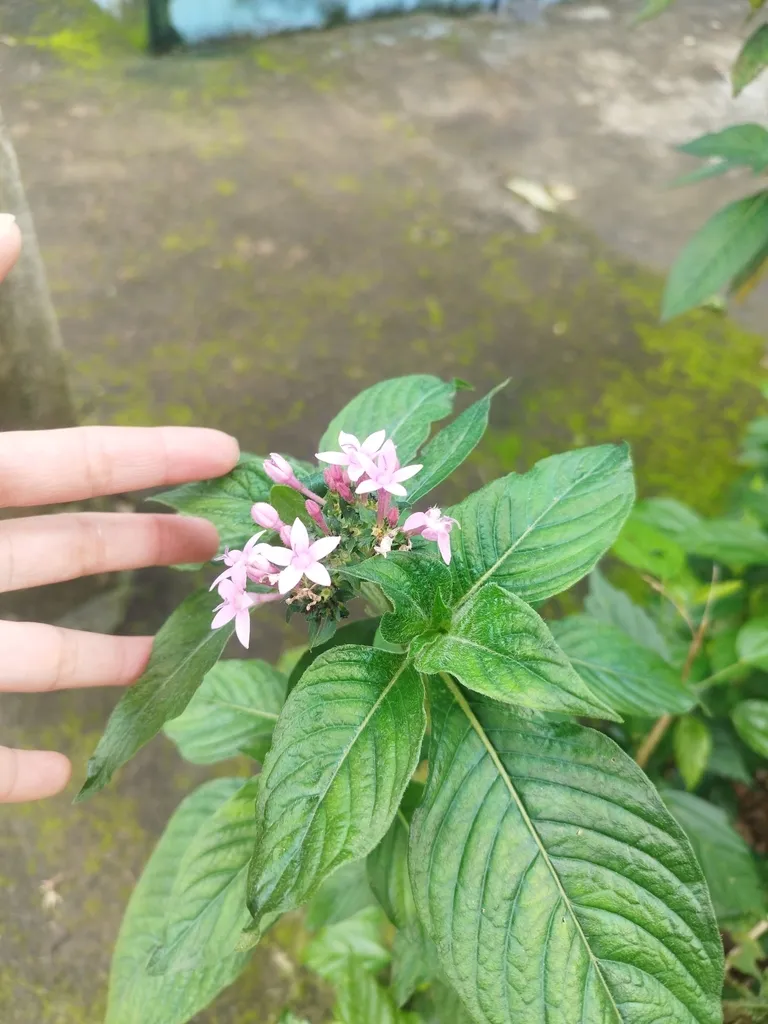
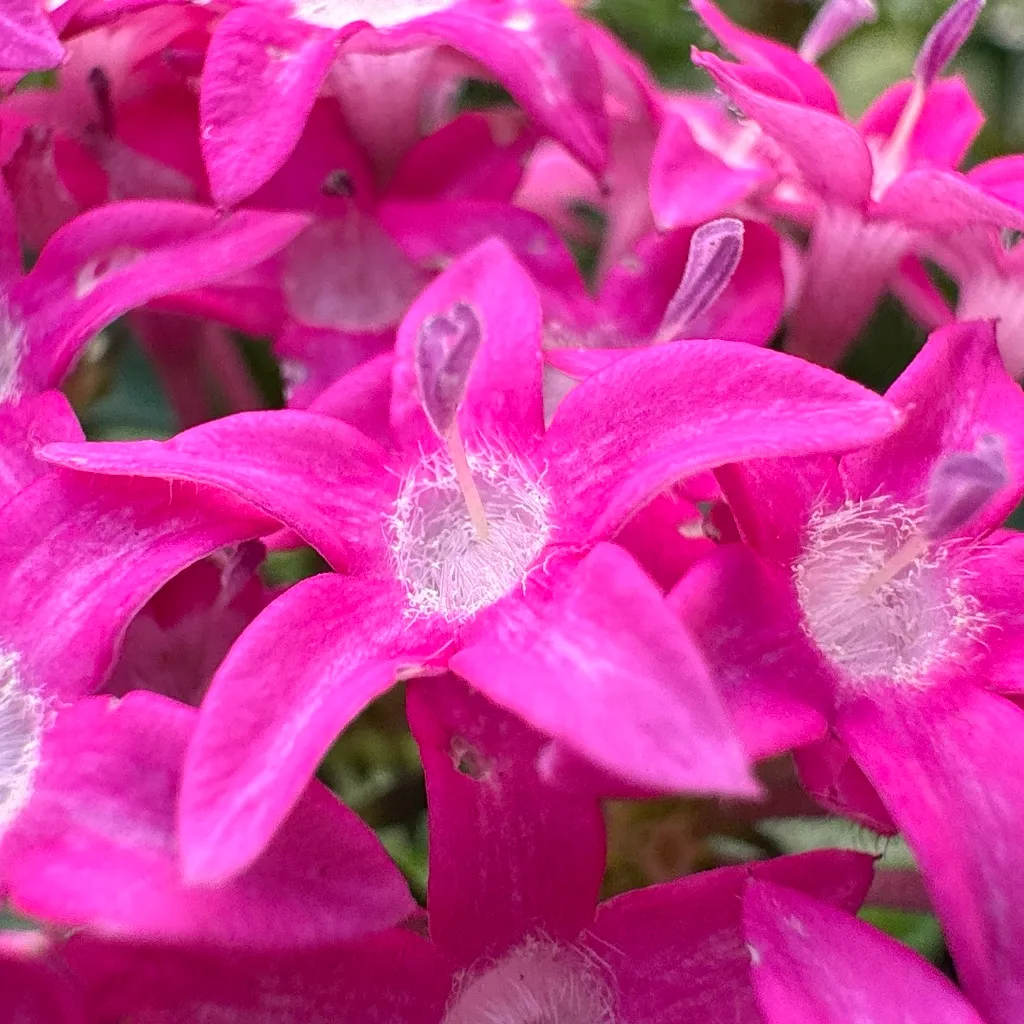
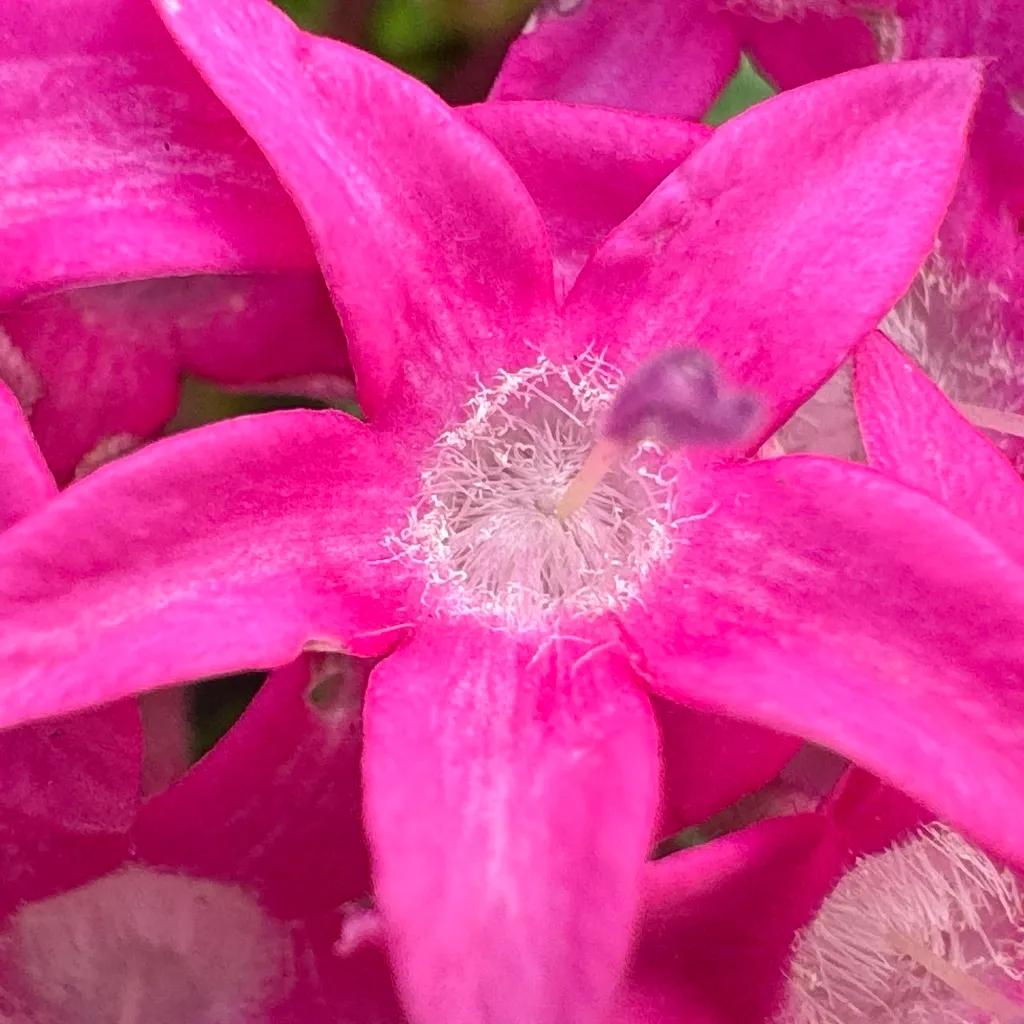
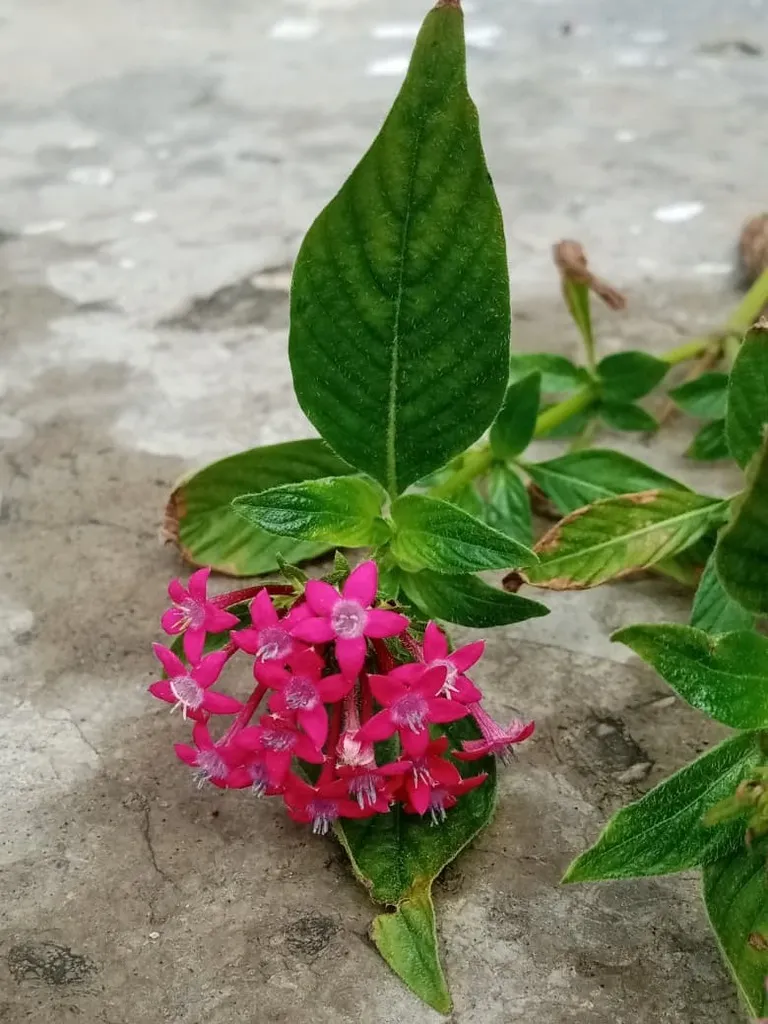
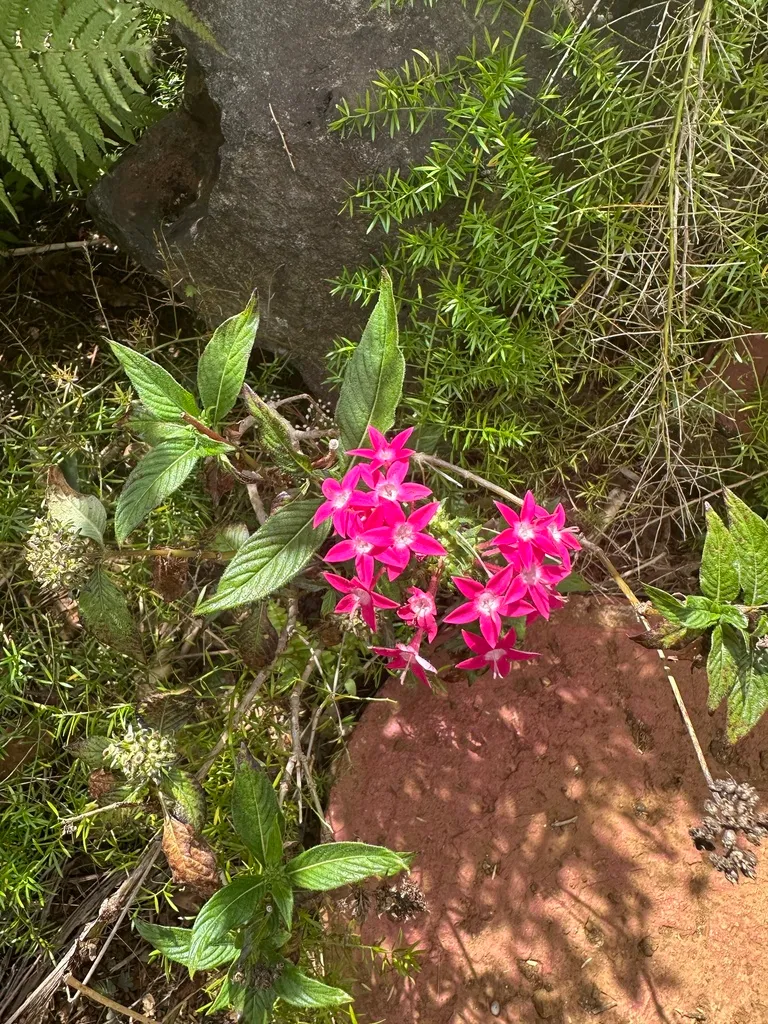
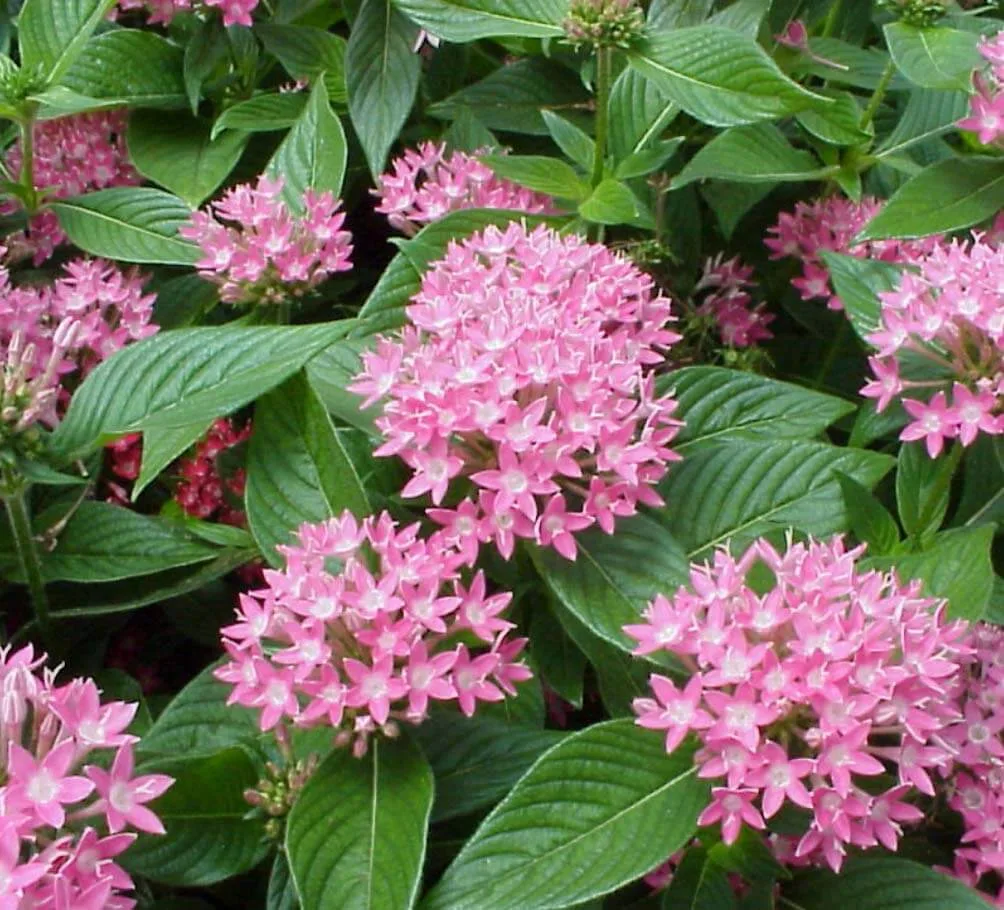
A tropical evergreen woody-based perennial or sub-shrub, to 2m high, with glossy, hairy, lance-shaped green leaves with deeply impressed veins. Dome-shaped clusters of flowers, with long tubes and spreading, star-shaped petals in shades of pink, purple and white, are produced from spring to autumn
Scientific classification
- Species
- Egyptian star (Pentas lanceolata)
- Genus
- Pentas
- Family
- Rubiaceae
- Information to be completed
- Toxicity
- Herbaceous Perennial · Shrubs
- Plant type
- 1.5-2.5 metres
- Height
- 0.5-1 metres
- Spread
- Evergreen
- Foliage
- Bushy
- Habit
- Spring · Summer · Autumn · Winter
- Season of interest
- Full sun
- Sunlight
- 20 – 30 °C
- Ideal temperature









Egyptian star pictures
Distribution of Egyptian star
Distribution map
Information to be completed
Information to be completed
Culture
Information to be completed
Toxicity
Information to be completed
Quick identification of Egyptian star
Information to be completed
Egyptian star care guide
- Moderate regular watering, allowing brief slight drying between soakings
- Watering
- Full sun
- Sunlight
- 20 – 30 °C
- Ideal temperature

Watering
Moderate regular watering, allowing brief slight drying between soakings
Fertilizing
 Fertilizing
Balanced perennial feed every four weeks from spring through summer
Pruning
 Pruning
Prune lightly as needed to remove unwanted shoots and keep the shrub in shape. Prune in mid- to late spring.
Propagation
 Propagation
Propagate by seed, sown at 16-18°C in spring, or by softwood cuttings
Growing
 Growing
In frost-free areas, may be grown outdoors in fertile, well-drained soil in full sun. In colder areas, grow in a temperate greenhouse, or in containers that can be moved indoors over winter, in loam-based potting compost with added leaf mould and sharp sand. Minimum temperature 7°C
People also ask
Information to be completed
Common pests and diseases
Diseases
Generally disease-free
Pests
May be susceptible to aphids and red spider mite
Explore the plant health library →




