



Planting and Growing Seven Sisters' rose

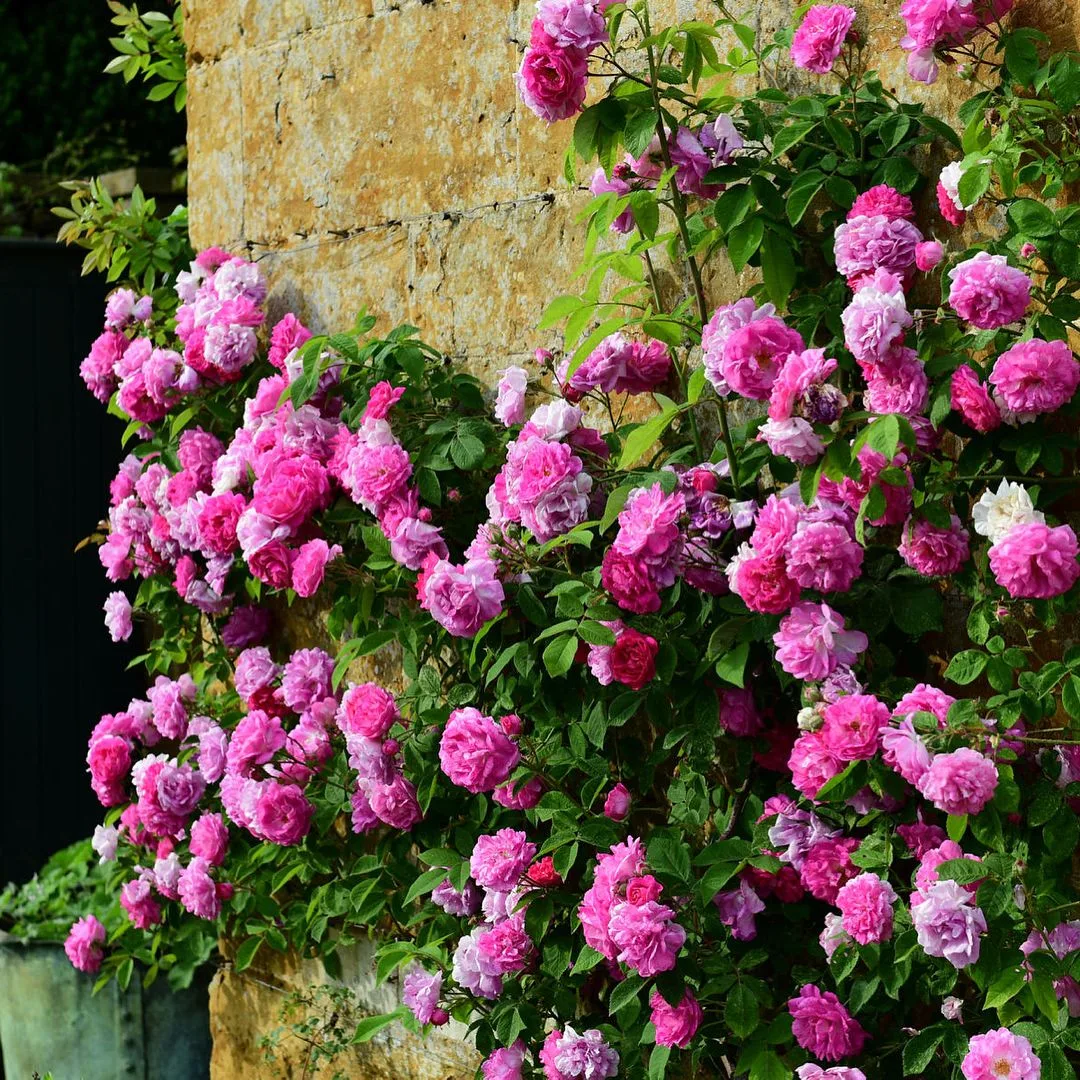
| Care difficulty | 3 / 5 |
|---|---|
| Watering schedule | Deep root watering, allow slight surface drying before watering again |
| Sunlight requirements | Full sun · Partial shade |
| Ideal temperature | Information to be completed |
| Soil type | Clay · Loam · Sand |
| Soil pH | Acid · Alkaline · Neutral |
| Soil moisture | Moist but well drained · Well drained |
| Fertilizing | Rose fertilizer every two to four weeks from spring through late summer |
| Toxicity | Fruit are ornamental - not to be eaten. Wear gloves and other protective equipment when handling |
How to Water Seven Sisters' rose?
Deep root watering, allow slight surface drying before watering again
Learn more →What Are the Sunlight Requirements for Seven Sisters' rose?
Full sun · Partial shade
Learn more →What Soil Is Best for Seven Sisters' rose?
- Soil type
- Clay · Loam · Sand
- Soil pH
- Acid · Alkaline · Neutral
What Are the Moisture Requirements for Seven Sisters' rose?
Moist but well drained · Well drained
Learn more →How to Fertilize Seven Sisters' rose?

Rose fertilizer every two to four weeks from spring through late summer
Learn more →How to Prune Seven Sisters' rose?

On established plants filling their supports, remove about a third of the oldest stems and shorten sideshoots by about two-thirds; retain and secure replacement shoots. Prune in late summer after the display of flowers and hips.
Learn more →How to Propagate Seven Sisters' rose?

Propagate by semi-ripe cuttings in late summer or hardwood cuttings in autumn, or by T-budding in summer
Learn more →How to Plant Seven Sisters' rose?
Grows best in fertile, humus-rich, moist but well-drained soil in a sunny, open position. Good for an arch or pergola, will also tolerate some shade. Mulch in late winter and, to improve flowering, apply a balanced fertiliser in late winter or early spring. See rose cultivation
Learn more →Common Pests & Diseases

Diseases
May be susceptible to rose black spot, rose rust, replant disease, rose dieback, and rose powdery mildews. May also be susceptible to disorders rose blindness and flower balling and sometimes honey fungus
Pests
May be susceptible to aphids, including rose aphid, the most common rose pest. Can also be affected by rose leafhopper, glasshouse red spider mite, scale insects, caterpillars, large rose sawfly, rose leaf-rolling sawfly and leaf-cutter bees. Deer and rabbits can also cause damage
Explore the plant health library →The Toxicity of Seven Sisters' rose
Fruit are ornamental - not to be eaten. Wear gloves and other protective equipment when handling