



Planting and Growing Viola 'John Raddenbury'

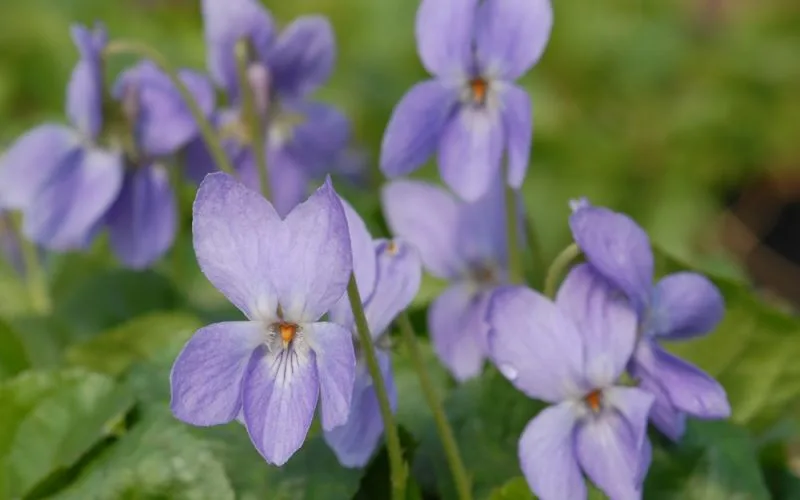
| Care difficulty | 2 / 5 |
|---|---|
| Watering schedule | Moderate regular watering, avoid prolonged drought and stagnant waterlogging |
| Sunlight requirements | Partial shade |
| Ideal temperature | Information to be completed |
| Soil type | Chalk · Clay · Loam · Sand |
| Soil pH | Alkaline · Neutral |
| Soil moisture | Moist but well drained |
| Fertilizing | Balanced perennial feed every four weeks spring through summer growth |
| Toxicity | Information to be completed |
How to Water Viola 'John Raddenbury'?
Moderate regular watering, avoid prolonged drought and stagnant waterlogging
Learn more →What Are the Sunlight Requirements for Viola 'John Raddenbury'?
Partial shade
Learn more →What Soil Is Best for Viola 'John Raddenbury'?
- Soil type
- Chalk · Clay · Loam · Sand
- Soil pH
- Alkaline · Neutral
What Are the Moisture Requirements for Viola 'John Raddenbury'?
Moist but well drained
Learn more →How to Fertilize Viola 'John Raddenbury'?

Balanced perennial feed every four weeks spring through summer growth
Learn more →How to Prune Viola 'John Raddenbury'?

Deadhead to prolong flowering. After flowering cut back vigorous plants to keep compact
Learn more →How to Propagate Viola 'John Raddenbury'?

Propagate by stem cuttings in spring or late summer, or by division in spring or autumn
Learn more →How to Plant Viola 'John Raddenbury'?
Grow in fertile, humus-rich, moist but well-drained, neutral to alkaline soil. Ideally choose a position with winter sun and summer shade, such as under deciduous trees, shrubs or hedges
Learn more →Common Pests & Diseases

Diseases
May be susceptible to powdery mildews, pansy downy mildew, pansy leaf spot, a virus and a rust
Pests
May be susceptible to slugs, snails, glasshouse red spider mite and violet gall midge
Explore the plant health library →