



Planting and Growing holy basil

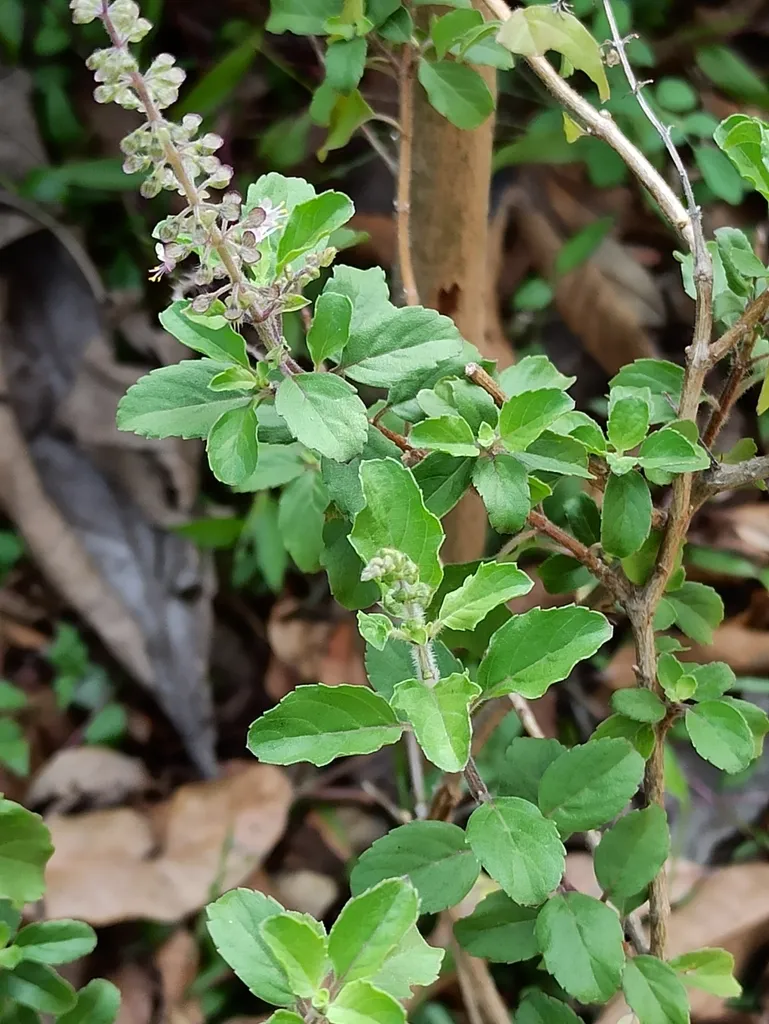
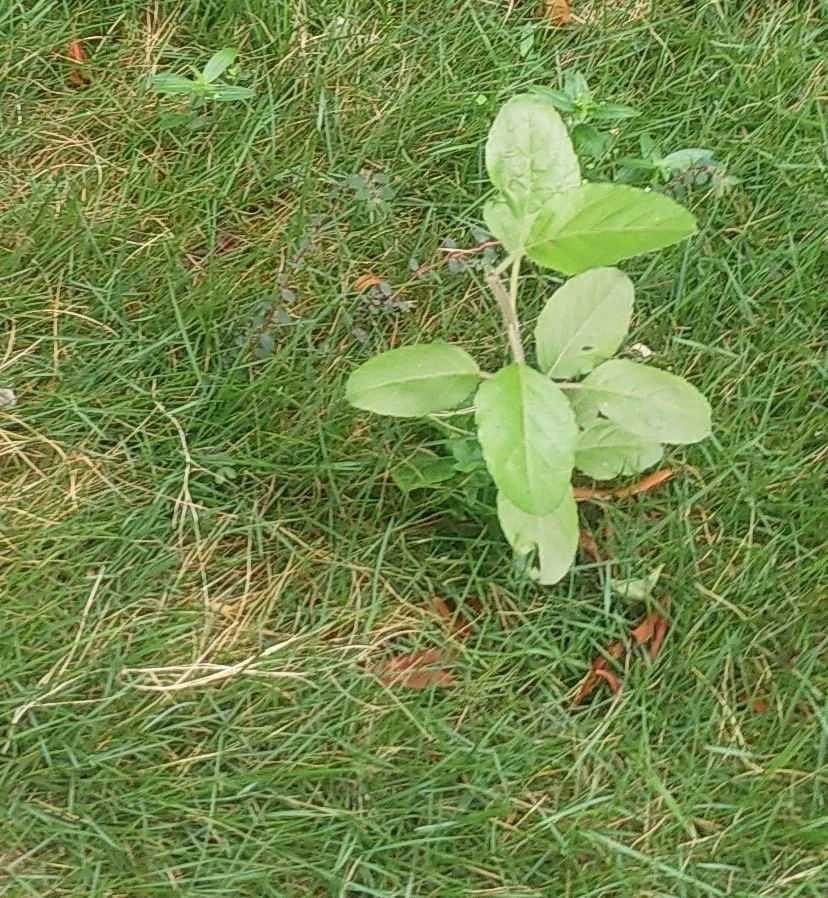
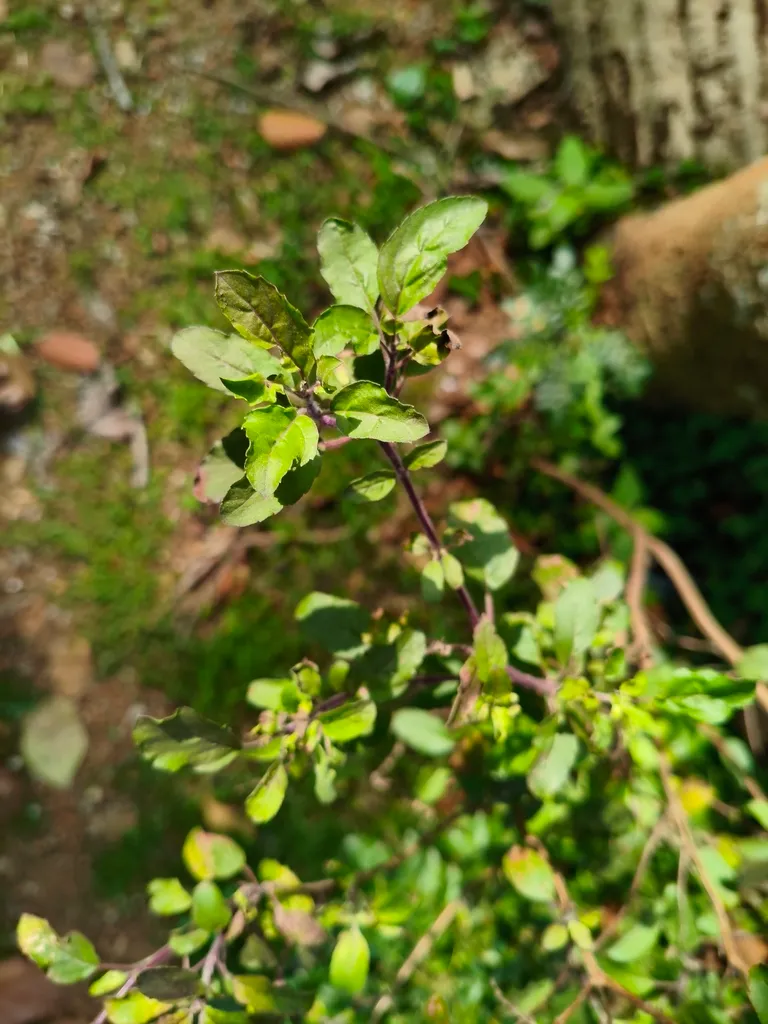
| Care difficulty | 2 / 5 |
|---|---|
| Watering schedule | Moderate regular watering, allowing brief slight drying between soakings |
| Sunlight requirements | Full sun |
| Ideal temperature | 20 – 30 °C |
| Soil type | Loam · Sand |
| Soil pH | Acid · Alkaline · Neutral |
| Soil moisture | Well drained |
| Fertilizing | Balanced perennial feed every four weeks from spring through summer |
| Toxicity | Information to be completed |
How to Water holy basil?
Native to the tropical climate of South Asia, holy basil thrives in warm and humid conditions, reflecting its preference for consistent moisture. This species is drought-tolerant but performs best when the soil remains slightly moist without becoming waterlogged. Watering should be done every week to maintain ideal moisture levels. As an aromatic herb commonly grown outdoors, holy basil benefits significantly from mulching which helps retain soil moisture and reduces the need for frequent watering.
Learn more →What Are the Sunlight Requirements for holy basil?
Holy basil thrives best under full sun exposure, requiring a substantial amount of light for optimal growth and development. It performs most favorably when it receives at least 6 to 8 hours of direct sunlight daily. While holy basil has a tolerance for partial sun, meaning some shadow for a part of the day, inadequate sunlight can impede its vigor and reduce essential oil concentrations in its leaves, affecting both flavor and medicinal potency. With its ability to tolerate somewhat lower light levels, holy basil exhibits resilience, yet consistently bright conditions are fundamental to cultivate a robust and healthy plant. When planted outdoors, a spot that receives ample morning sunlight with some afternoon shade can be beneficial, particularly in hotter climates to prevent scorching.
Learn more →What Is the Ideal Temperature Range for holy basil?

The holy basil demonstrates remarkable resilience to temperature fluctuations, tolerating cold temperatures down to about 5℃ (41℉) and heat up to 43℃ (109℉). However, prolonged exposure to temperatures outside this range can affect its health. In cold conditions, holy basil may exhibit stunted growth and leaf discoloration, whereas extreme heat can lead to wilting and leaf scorch. To maintain its vitality, consider protective measures like mulching during cold spells or providing shade during intense heat. These adaptations make holy basil suitable for a variety of environments, with specific care requirements to safeguard it from adverse weather.
Learn more →What Soil Is Best for holy basil?
Holy basil thrives in well-draining soil to prevent water-logging. A suitable mix can be made with garden soil, compost, and sand (2:1:1 ratio). If sand is unavailable, perlite or vermiculite can be used. Ensure good drainage by adding gravel at the bottom of pots. Enhance growth with a balanced fertilizer monthly during the growing season.
- Soil type
- Loam · Sand
- Soil pH
- Acid · Alkaline · Neutral
What Are the Moisture Requirements for holy basil?
Well drained
Learn more →How to Fertilize holy basil?

Fertilize holy basil biweekly with high nitrogen fertilizer during active growth for lush foliage. Use half-strength liquid formulation to encourage healthy growth without root burn. Decrease frequency in winter to monthly, aligning with holy basil's slower growth. Over-fertilization can lead to excess foliage over flower production; observe holy basil for cues. Proper dosage is critical; refer to product-specific guidelines. Always water holy basil before and after application to facilitate nutrient absorption and prevent fertilizer buildup.
Learn more →How to Prune holy basil?

Holy basil, known for its aromatic leaves, thrives with regular pruning. Key techniques include pinching back new growth and removing dead stems to encourage bushiness. Optimal timing for pruning is from early to later spring, aligning with the plant's active growth phase. Regular pruning helps improve air circulation, reducing pest issues and promoting denser foliage. Always use clean, sharp tools to make precise cuts.
Learn more →How to Propagate holy basil?

Holy basil is effectively propagated through cutting. For successful propagation, select healthy, non-flowering stems which should be cut at a node. Ensure each cutting is about 3-4 inches long and has a few leaves. Remove lower leaves, and plant the stem in a well-drained soil mix, keeping the environment humid until roots develop. This method not only ensures the maintenance of desired traits but also speeds up establishment compared to seed-based propagation.
Learn more →How to Transplant holy basil?
The prime time for transplanting holy basil is during the warm embrace of mid-spring to early summer. Choose a sunny location with well-draining soil for ideal growth. Be gentle with the roots while transplanting to maintain their health and vigor.
Learn more →How to Care for holy basil in Winter?

Holy basil hails from a tropical climate, lacking inbuilt mechanisms to handle frosty winters. Hardy only until 50°F, holy basil slides into dormancy when exposed to continuous, intense chill. Gardeners should mimic its sun-drenched dive into subtropics, using light insulation, indoor heating or wintering inside the home. Otherwise, treat it as an annual, sowing anew when springtime warmth beckons.
Learn more →How to Plant holy basil?
Indoors-potted: Ensure holy basil receives ample light indoors; rotate the pot for even growth and a lush, leafy display. Outdoors-potted: Outdoor pots accentuate holy basil's aromatic presence, though be mindful of heavy rain that could waterlog the soil. Outdoors-in the ground: Holy basil thrives in outdoor gardens but keep an eye on space as it can spread enthusiastically if left unchecked.
Learn more →How to Repot holy basil?
Repot holy basil in early spring every 2-3 years to support its bushy growth and enhance root health. Choose a container one size larger to accommodate expansion. Post-repotting, ensure holy basil gets ample sunlight and regular watering for recovery. This mindful attention will amplify its aromatic presence, making the extra care worthwhile.
Learn more →How to Harvest holy basil?

Holy basil can be used as an ornamental plant or picked as a fragrant herb to cook with at any time. Its leaves can be harvested before flowers bloom. Cut leaves with a small knife and try to avoid damaging the roots. Its leaves can be used in cold dishes or salads, or to remove the fishy taste of seafood, and dried leaves can be used as a spice. Its stem, leaves, and flowers can be harvested before blooming. They can be used to extract essential oils. It is best to harvest them at 9:00-17:00 after 2-3 consecutive sunny days. Its seeds are generally be harvested in late summer.
Learn more →Common Pests & Diseases

Diseases
May be susceptible to powdery mildews
Pests
May be susceptible to aphids and leafhoopers
Explore the plant health library →Troubleshooting
Leggy Stems, Cold Chill Injury
holy basil (Ocimum tenuiflorum) grows vigorously in warm, bright conditions; pinching growing tips prevents woody leggy stems and preserves foliage quality.
| What you notice | Possible explanation | What to check next |
|---|---|---|
| Stems elongate with sparse lower leaves and flower spikes forming at tips | Delayed harvesting/pinching or insufficient sunlight | Check stem length and whether flower buds have started forming |
| Leaves blacken, droop, or drop suddenly during cool autumn nights | Cold chilling injury below 10°C (50°F) in frost-tender Ocimum tenuiflorum | Check minimum night temperatures |
- Pinch or harvest stem tips regularly just above a pair of leaves, and remove flower buds promptly to maintain bushy growth.
- Provide full sun (at least 6 hours daily) and warm temperatures in fertile, moist, well-drained soil.
- Bring frost-tender holy basil (Ocimum tenuiflorum) indoors before temperatures drop below 10°C (50°F).
Pinch off purple-pink flower spikes as soon as they form to keep leaves tender and aromatic.
Powdery Mildew or Sap-Sucking Pests
Crowded foliage and damp stagnant air promote foliar fungi, while dry indoor air favors spider mites, whiteflies, and aphids.
| What you notice | Possible explanation | What to check next |
|---|---|---|
| White powdery coating on upper leaves | Powdery mildew favored by humid nights and poor airflow | Inspect leaf surfaces and lower stems closely |
| Curled shoot tips, sticky honeydew, or fine webbing on leaf undersides | Aphids, whiteflies, mealybugs, or spider mites | Examine young leaves and undersides closely |
- Thin out crowded stems and avoid overhead watering late in the day to keep leaves dry.
- Remove and discard any leaves showing fungal pustules or white mildew immediately (do not compost infected foliage).
- Rinse culinary leaves thoroughly with water before kitchen use, and treat persistent pests only with appropriately labeled insecticidal soap.
Ensure good airflow around indoor pots to discourage mealybugs and whiteflies.