



Planting and Growing Cape gooseberry

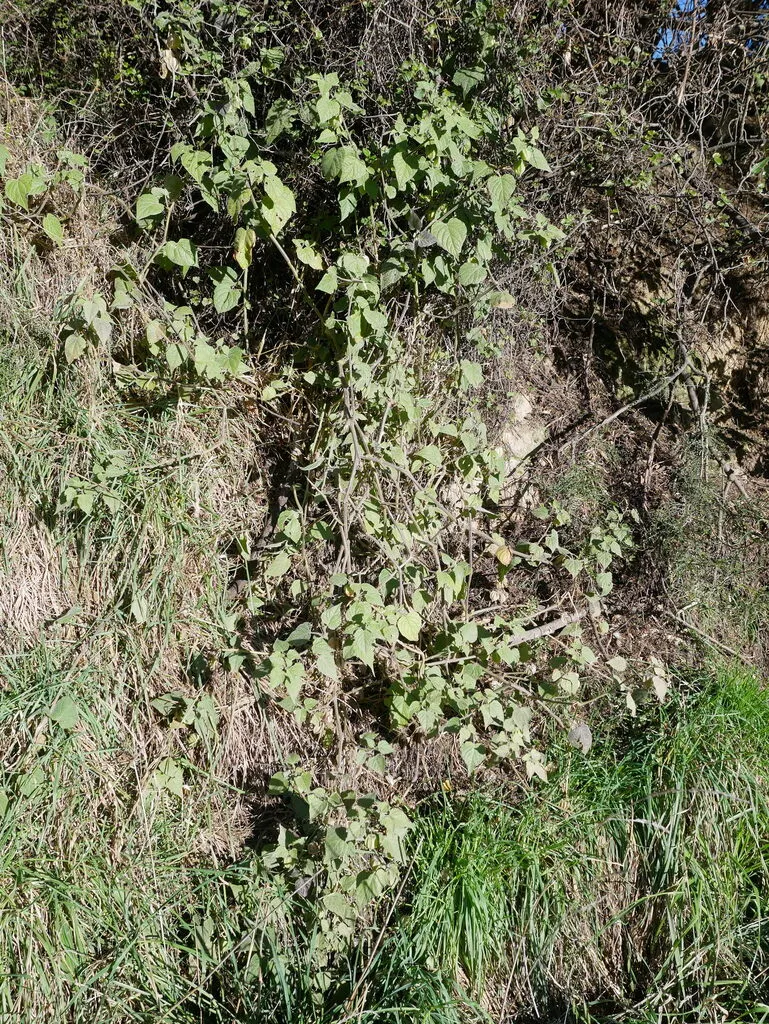
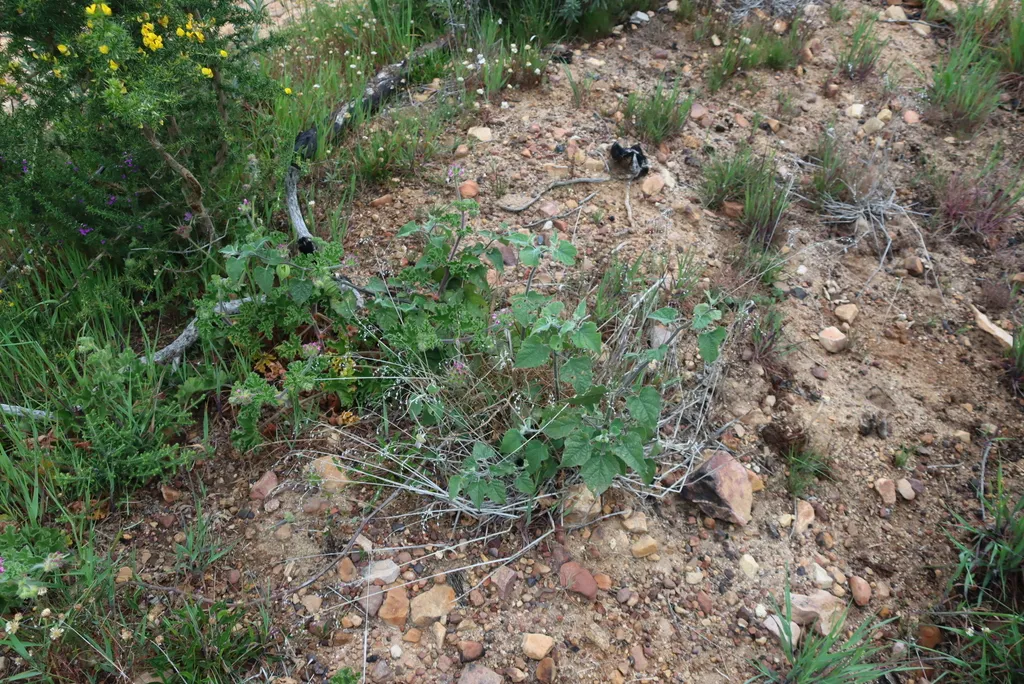
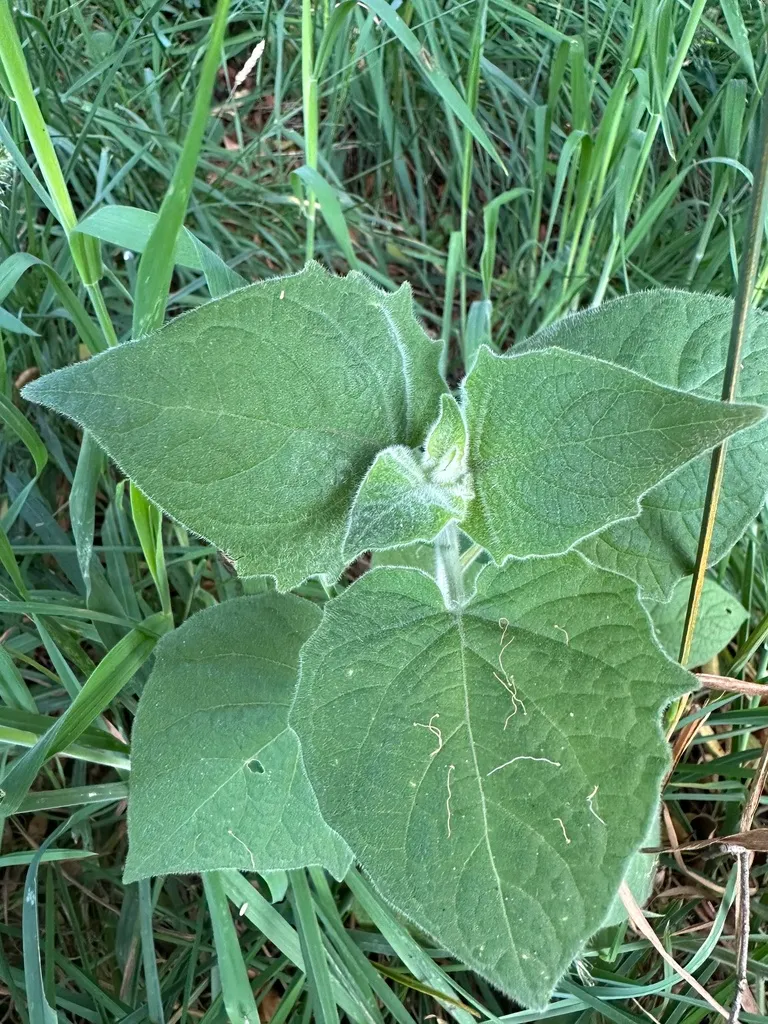
| Care difficulty | 2 / 5 |
|---|---|
| Watering schedule | Keep moisture even through flowering and fruiting, avoiding hard dry swings |
| Sunlight requirements | Full sun |
| Ideal temperature | Information to be completed |
| Soil type | Loam · Sand |
| Soil pH | Acid · Alkaline · Neutral |
| Soil moisture | Moist but well drained · Well drained |
| Fertilizing | Tomato or pepper feed every one to two weeks in fruiting season |
| Toxicity | Only the berries are edible, other plant parts can cause mild stomach upset if eaten. Wear gloves and wash hands after handling] |
How to Water Cape gooseberry?
Keep moisture even through flowering and fruiting, avoiding hard dry swings
Learn more →What Are the Sunlight Requirements for Cape gooseberry?
Full sun
Learn more →What Is the Ideal Temperature Range for Cape gooseberry?

Information to be completed
Learn more →What Soil Is Best for Cape gooseberry?
- Soil type
- Loam · Sand
- Soil pH
- Acid · Alkaline · Neutral
What Are the Moisture Requirements for Cape gooseberry?
Moist but well drained · Well drained
Learn more →How to Fertilize Cape gooseberry?

Tomato or pepper feed every one to two weeks in fruiting season
Learn more →How to Prune Cape gooseberry?

Cut down to ground level after harvesting the fruit
Learn more →How to Propagate Cape gooseberry?

Propagate by seed, or by division in spring
Learn more →How to Transplant Cape gooseberry?
Information to be completed
Learn more →How to Care for Cape gooseberry in Winter?

Information to be completed
Learn more →How to Plant Cape gooseberry?
Sow seed indoors in early spring. Grow on in a cool greenhouse, or outdoors in milder areas once all risk of frost has passed. Needs well-drained soil in a sunny position and support for the lax branches
Learn more →How to Repot Cape gooseberry?
Information to be completed
Learn more →How to Harvest Cape gooseberry?

Information to be completed
Learn more →Common Pests & Diseases

Diseases
Generally problem free
Pests
Generally problem free
Explore the plant health library →The Toxicity of Cape gooseberry
Only the berries are edible, other plant parts can cause mild stomach upset if eaten. Wear gloves and wash hands after handling]