
Cape gooseberry
Also known as: gooseberry tomato; Peruvian Cape gooseberry; Poha; purple ground cherry; ground cherry; strawberry tomato
A lax, branching, herbaceous perennial with soft, hairy leaves and small, yellow flowers with chocolate-brown centres in mid- to late summer. These are followed by edible, orange berries. each enclosed in a papery, lantern-shaped husk
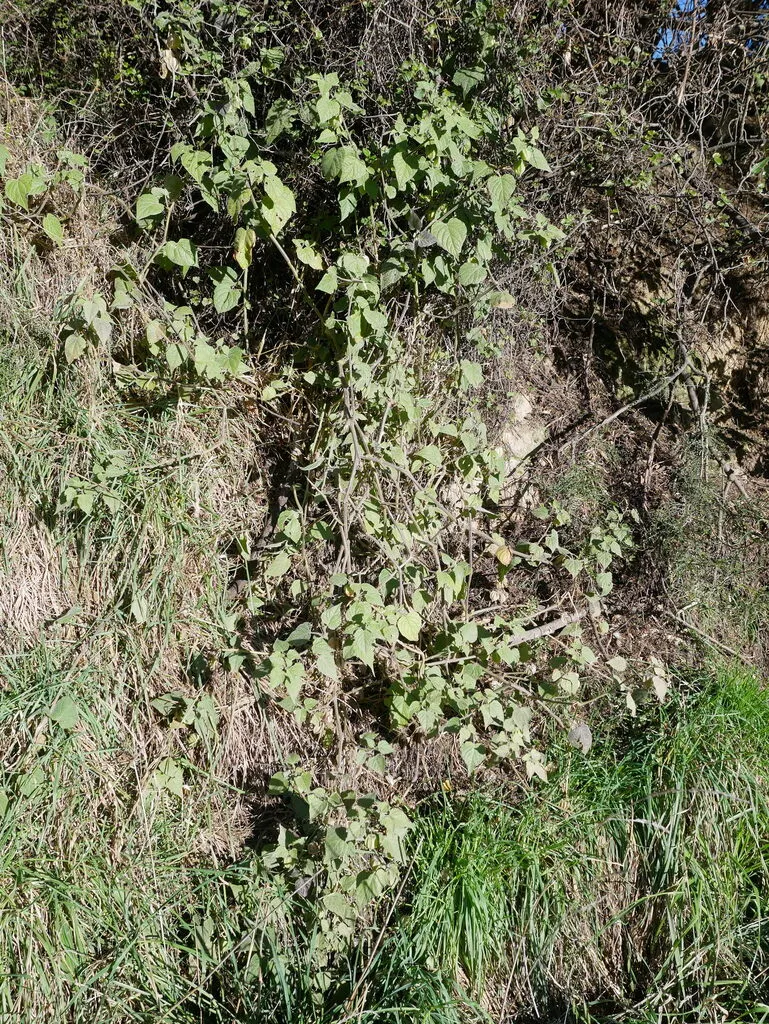
Scientific classification
- Species
- Cape gooseberry (Physalis peruviana)
- Genus
- Physalis
- Family
- Solanaceae
- Only the berries are edible, other plant parts can cause mild stomach upset if eaten. Wear gloves and wash hands after handling]
- Toxicity
- Herbaceous Perennial · Conservatory Greenhouse · Fruit Edible
- Plant type
- 1-1.5 metres
- Height
- 1-1.5 metres
- Spread
- Deciduous
- Foliage
- Bushy
- Habit
- Spring · Summer · Autumn
- Season of interest
- Full sun
- Sunlight
- Information to be completed
- Ideal temperature









Cape gooseberry pictures
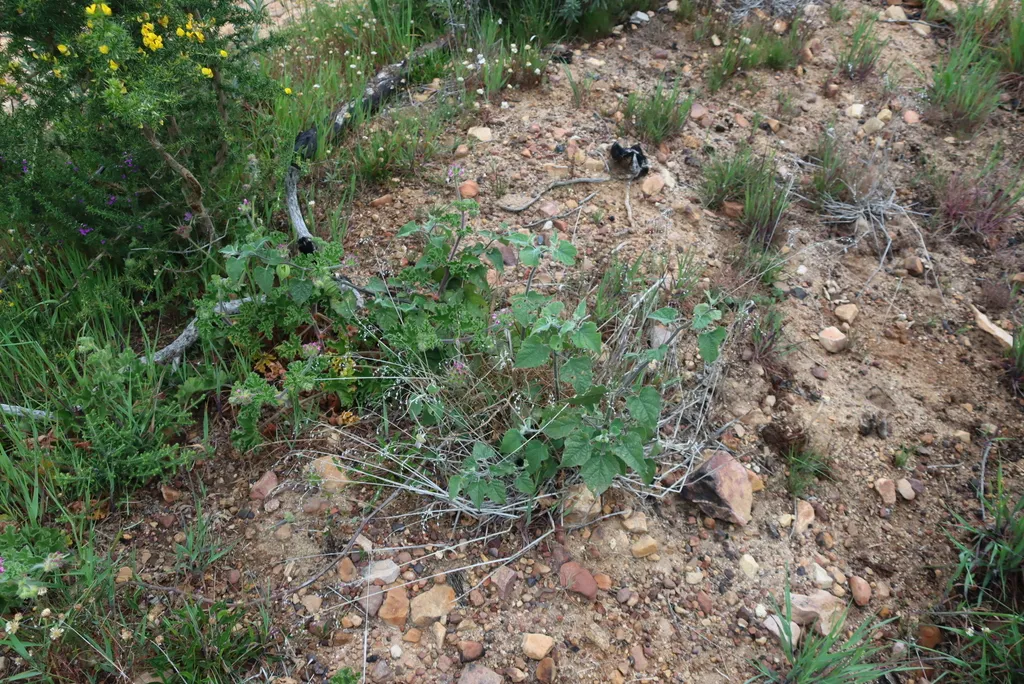
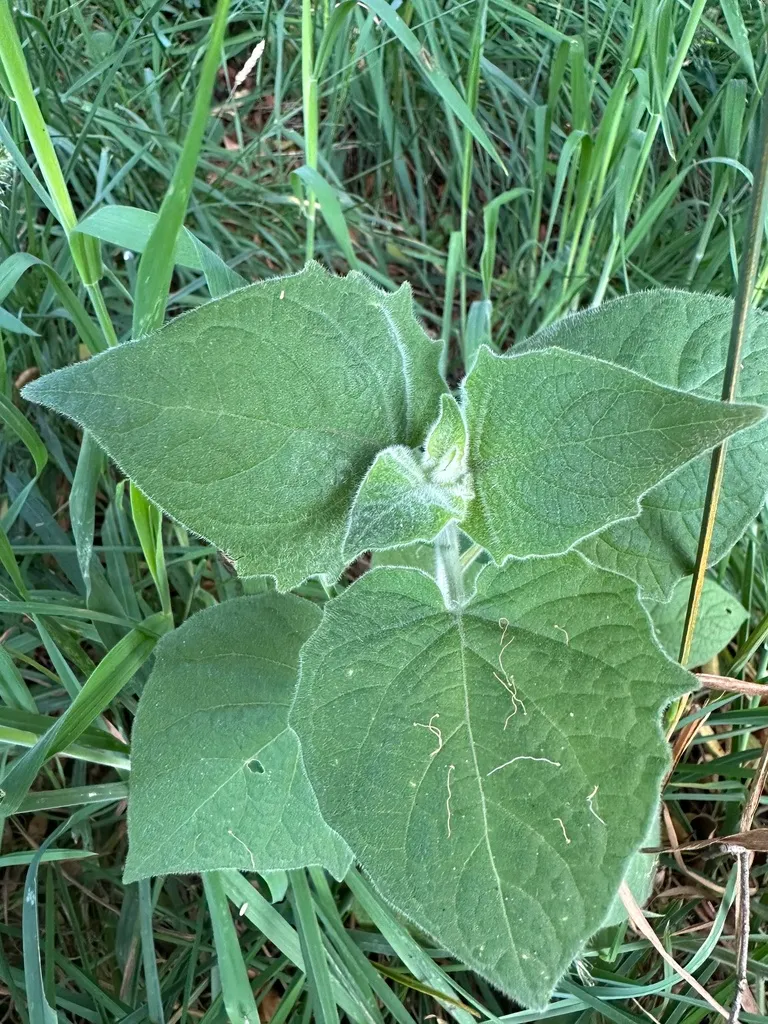
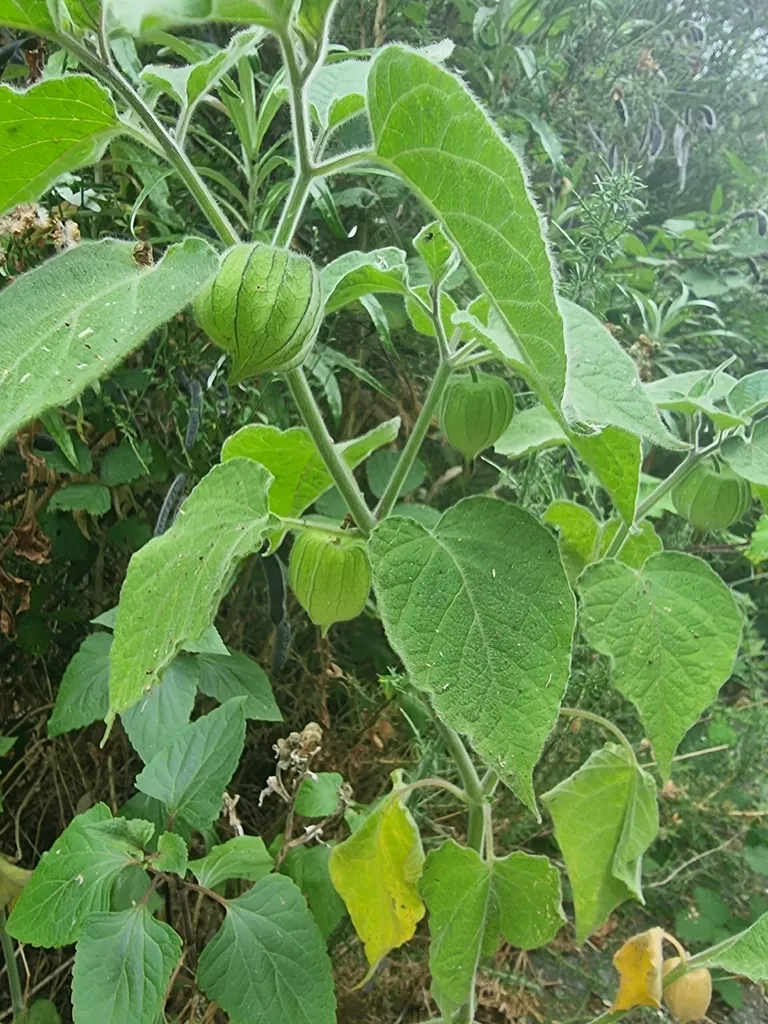
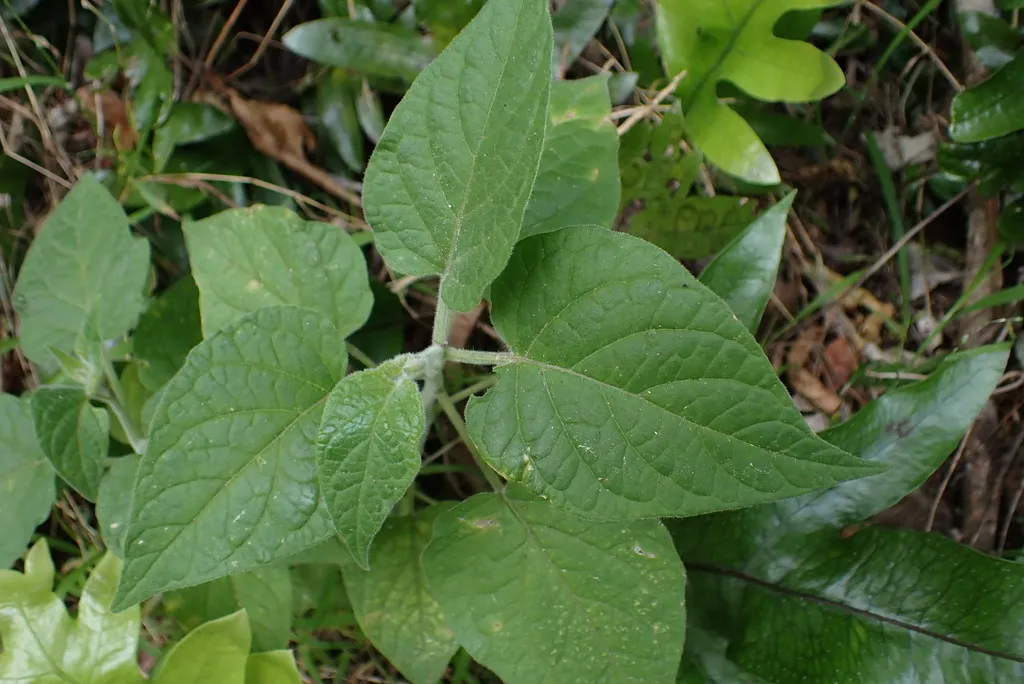
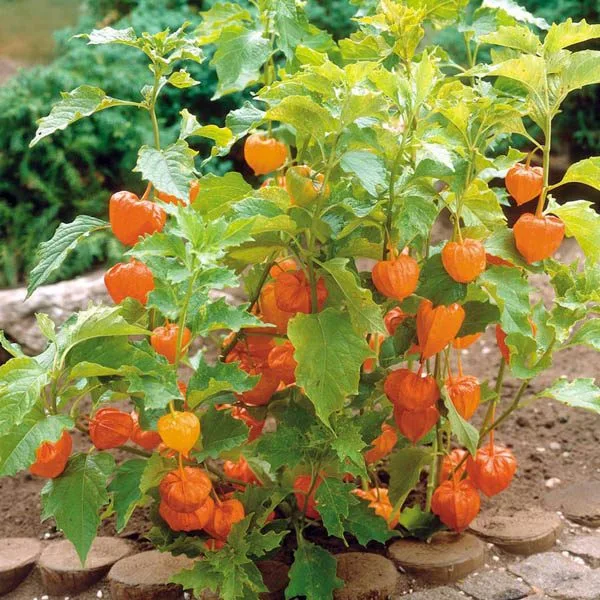
Distribution of Cape gooseberry
Distribution map
Information to be completed
Information to be completed
Culture
Information to be completed
Toxicity
Only the berries are edible, other plant parts can cause mild stomach upset if eaten. Wear gloves and wash hands after handling]
Quick identification of Cape gooseberry
Information to be completed
Cape gooseberry care guide
- Keep moisture even through flowering and fruiting, avoiding hard dry swings
- Watering
- Full sun
- Sunlight
- Information to be completed
- Ideal temperature

Watering
Keep moisture even through flowering and fruiting, avoiding hard dry swings
Fertilizing
 Fertilizing
Tomato or pepper feed every one to two weeks in fruiting season
Pruning
 Pruning
Cut down to ground level after harvesting the fruit
Propagation
 Propagation
Propagate by seed, or by division in spring
Growing
 Growing
Sow seed indoors in early spring. Grow on in a cool greenhouse, or outdoors in milder areas once all risk of frost has passed. Needs well-drained soil in a sunny position and support for the lax branches
People also ask
Information to be completed
Common pests and diseases
Diseases
Generally problem free
Pests
Generally problem free
Explore the plant health library →




