



Planting and Growing fragrant plantain lily

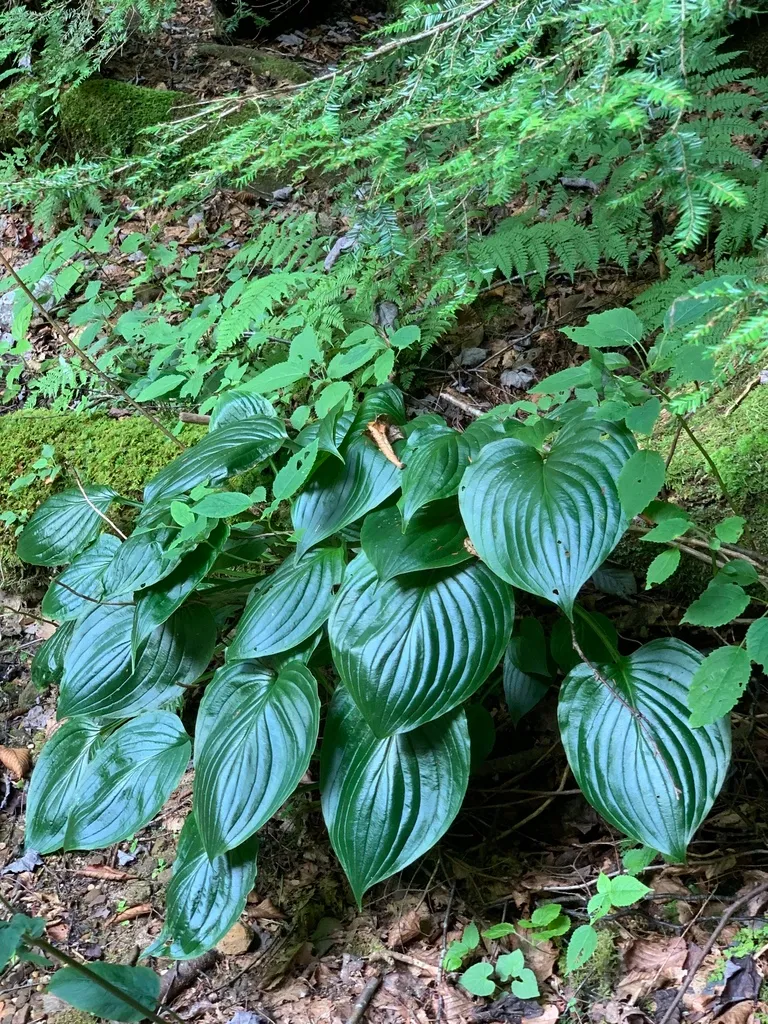
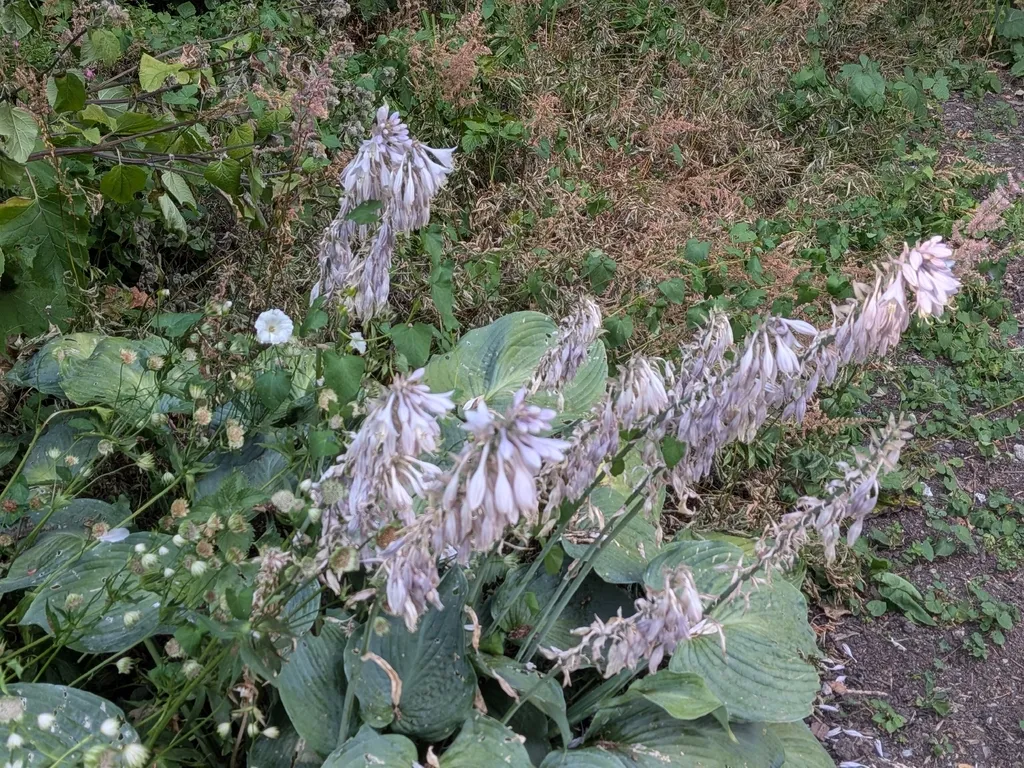
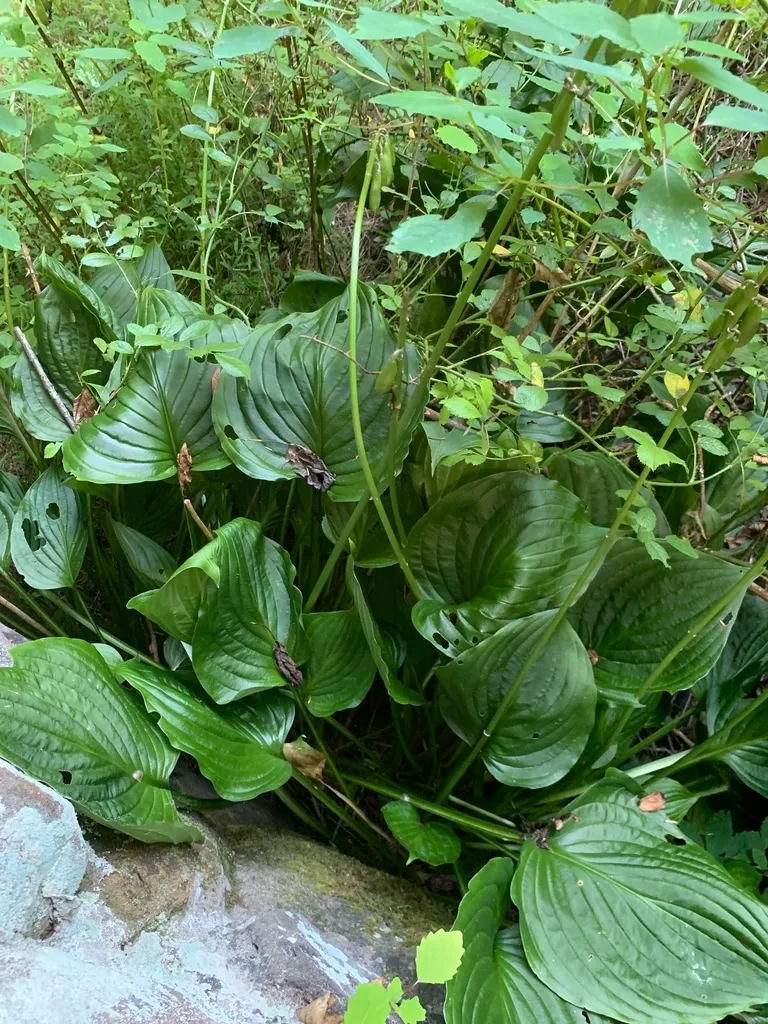
| Care difficulty | 2 / 5 |
|---|---|
| Watering schedule | Keep humus-rich soil evenly moist, especially during warm weather |
| Sunlight requirements | Full shade · Partial shade |
| Ideal temperature | 15 – 25 °C |
| Soil type | Loam |
| Soil pH | Acid · Alkaline · Neutral |
| Soil moisture | Moist but well drained |
| Fertilizing | Balanced shade-perennial feed monthly in spring and early summer |
| Toxicity | Information to be completed |
How to Water fragrant plantain lily?
Originating from the lush undergrowth of East Asian forests, august lily thrives in conditions that mimic its native high humidity and consistent soil moisture. This species exhibits a preference for evenly moist substrates, demonstrating moderate drought tolerance. Watering should be administered once every 1-2 weeks to maintain optimal hydration without oversaturation. As an herbaceous perennial commonly grown outdoors, august lily benefits significantly from rainwater during its active growing season, which complements its watering schedule and supports its vigorous summer bloom.
Learn more →What Are the Sunlight Requirements for fragrant plantain lily?
August lily thrives best in partial sun, optimally benefitting from morning sunlight coupled with afternoon shade. This level of light is essential as it enhances august lily's growth, helps maintain the vibrant color of the leaves, and optimizes flowering. However, august lily exhibits a high degree of tolerance to full shade conditions, though too little light may lead to reduced flowering and less robust growth. When planted outdoors, august lily should be positioned in areas that mimic these light conditions, such as under the dappled shade of trees allowing for some sun exposure. These characteristics ensure that august lily remains a versatile choice for gardeners seeking beauty and resilience.
Learn more →What Is the Ideal Temperature Range for fragrant plantain lily?

August lily shows remarkable resilience to temperature variations, tolerating cold down to -30℃ (-22℉) and heat up to 41℃ (106℉). This adaptability requires specific care practices. In extreme cold, august lily may exhibit yellowing leaves and slowed growth, necessitating mulch application and potential protective coverings. Under extreme heat, symptoms include wilting and scorched leaves, prompting frequent watering and shade provision. These measures help ensure august lily thrives in diverse environments, making it suitable for a range of gardens. However, vigilance is key to mitigating adverse temperature impacts.
Learn more →What Soil Is Best for fragrant plantain lily?
August lily can grow in moist, well-drained, shady areas. It likes loose, air-permeable, sandy soil with rich humus. The suitable soil pH is about 6.5-7.5. Before planting, a small number of nutrients can be added to the soil, such as compost, leaf mold, pine needle mulch, organic fertilizer, or sphagnum moss. This will make august lily grow better.
- Soil type
- Loam
- Soil pH
- Acid · Alkaline · Neutral
What Are the Moisture Requirements for fragrant plantain lily?
Moist but well drained
Learn more →How to Fertilize fragrant plantain lily?

For optimal growth, august lily thrives with balanced nutrition fertilizers, applied every 4-6 weeks during the growing season. Fertilization benefits august lily by boosting foliage and flower development, enhancing vigor. Use fertilizer sparingly; over-application can damage roots. In dormancy, cease fertilizing. Practical tip: lightly incorporate fertilizer into soil around august lily, avoiding direct contact with leaves or base. Adjust amounts based on plant size, and always water thoroughly post-application.
Learn more →How to Prune fragrant plantain lily?

Known for its fragrant white flowers and lush foliage, august lily benefits from early spring pruning. Remove dead or damaged leaves to promote healthy growth. Cut back the flower stalks after blooming to direct energy back to the foliage. Pruning helps maintain the plant's shape and encourages new growth, enhancing its overall appearance. Ensure to use clean, sharp tools to avoid infections. This practice not only keeps august lily aesthetically pleasing but also fortifies its resilience against diseases.
Learn more →How to Propagate fragrant plantain lily?

August lily, characterized by its lush foliage and fragrant white flowers, thrives when propagated through division. This entails separating the plant's rhizomes or clumps carefully, ensuring each new section has a balanced share of roots and shoots. It's best performed by lifting the parent plant gently, teasing apart the desired divisions, and replanting in well-drained, fertile soil, which encourages healthy growth in the new locations.
Learn more →How to Transplant fragrant plantain lily?
To maintain a thriving august lily, transplant during the ideal season of mid-spring to early summer, as warmer temperatures encourage root establishment. Choose a location with ample shade and well-draining soil. Remember to gently loosen the roots before positioning the plant.
Learn more →How to Plant fragrant plantain lily?
Indoors-potted: For august lily indoors, ensure ample space as it loves to spread its leaves; rotate the pot for even growth. Outdoors-potted: August lily thrives outdoors in pots but monitor moisture levels closely due to limited soil volume. Outdoors-in the ground: When planting august lily in the garden, allow room between plants to reduce risk of leaf disease from poor air circulation.
Learn more →How to Repot fragrant plantain lily?
Repot august lily every 2-3 years, ideally in spring before peak growth. As a lush, mound-forming perennial, august lily thrives in a slightly larger pot to accommodate root expansion. Post-repotting, use well-draining soil and maintain consistent moisture without overwatering. Fertilize lightly to support recovery and encourage vibrant foliage. Remember, august lily is a forgiving plant, making post-repotting care straightforward for gardeners.
Learn more →How to Harvest fragrant plantain lily?

The inflorescences of august lily with stems or leaves can be harvested for appreciation. In summer, the plant can be harvested for fresh-cut flowers when the flower bud at the bottom of the inflorescence is milky white, fully inflated, and ready to bloom. Once grown to a sufficient size, the leaves can be harvested to decorate bouquets. It is best to harvest in the morning at low temperatures to reduce water loss.
Learn more →Common Pests & Diseases

Diseases
Generally disease free
Pests
Prone to slugs and snails; plants in pots are susceptible to vine weevil
Explore the plant health library →Troubleshooting
Ragged Holes in Leaves, Sun Scorch, or Mottled Virus Patterns
fragrant plantain lily (Hosta plantaginea) is an outdoor garden plant whose performance depends on proper site drainage, sun exposure, and seasonal maintenance.
| What you notice | Possible explanation | What to check next |
|---|---|---|
| Irregular chewed holes in leaves with slimy trails, or scalloped leaf edges | Slugs, snails, or adult black vine weevils feeding at night | Inspect leaves after dusk or check container soil for vine weevil larvae |
| Bleached papery brown patches on leaves in sunny borders | Direct hot afternoon sun scorching shade-loving hosta foliage | Assess afternoon shade cover |
- Plant in fertile, moist, well-drained soil in partial to full shade (Hosta plantaginea tolerates more morning sun than blue-leaved hostas) and use physical barriers or iron-phosphate slug baits per label.
- Space plants adequately to maintain good air circulation and water at the soil base rather than wetting leaves late in the day.
- Clear dead winter foliage in late autumn or early spring to reduce overwintering fungal spores.
Sanitize pruners between Hosta clumps to prevent spreading Hosta Virus X (ink-bleed mottling along veins), and discard virused plants.
Seasonal Emergence or Clump Density Management
Understanding seasonal dormancy and periodic renewal keeps outdoor plantings vigorous year after year.
| What you notice | Possible explanation | What to check next |
|---|---|---|
| No shoots visible in early spring while neighboring shrubs leaf out | Normal late spring emergence of Hosta crowns | Check soil surface gently for emerging pointed buds before digging |
| Center of older clumps thins out or loses vigor after several years | Overcrowded roots or rhizomes competing for space and moisture | Inspect clump density in early spring or early autumn |
- Mark perennial locations in autumn so dormant crowns are not accidentally disturbed in early spring.
- Divide congested clumps in spring (or early autumn) and replant vigorous sections in well-drained soil.
- Water newly planted or divided sections consistently until roots re-establish.
Divide congested Hosta clumps every 3 to 5 years in early spring as shoots emerge, or in early autumn.