
fragrant plantain lily
Also known as: August lily; Corfu lily; maruba; tamano-giboshi-kanzashi; yusan
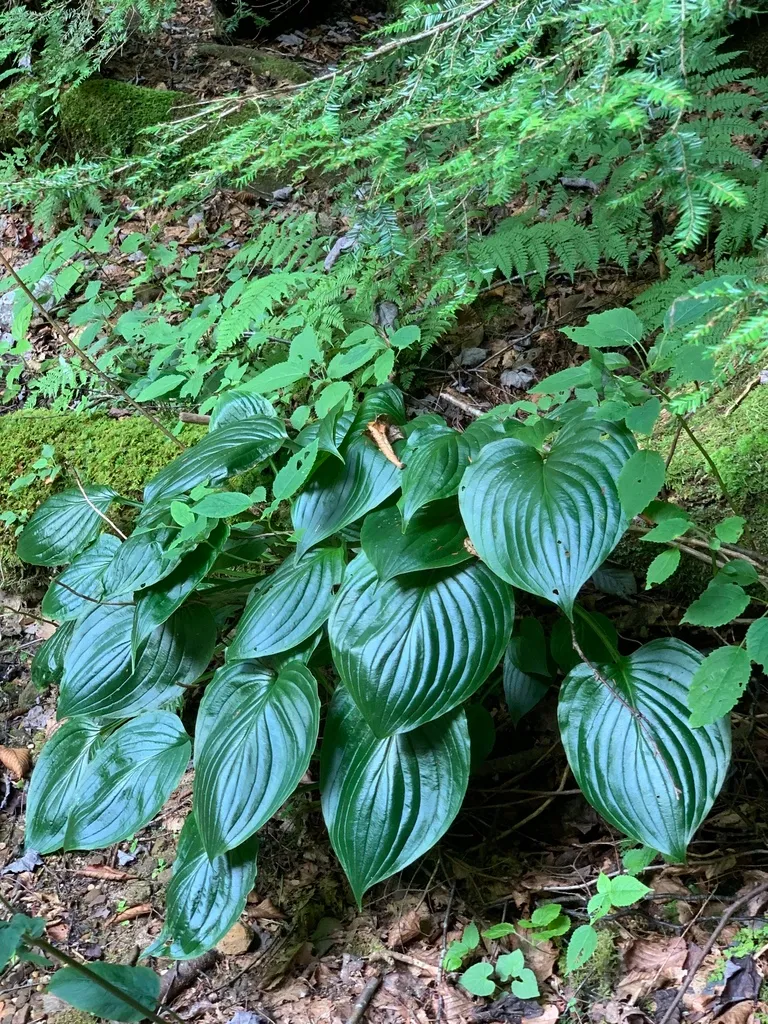
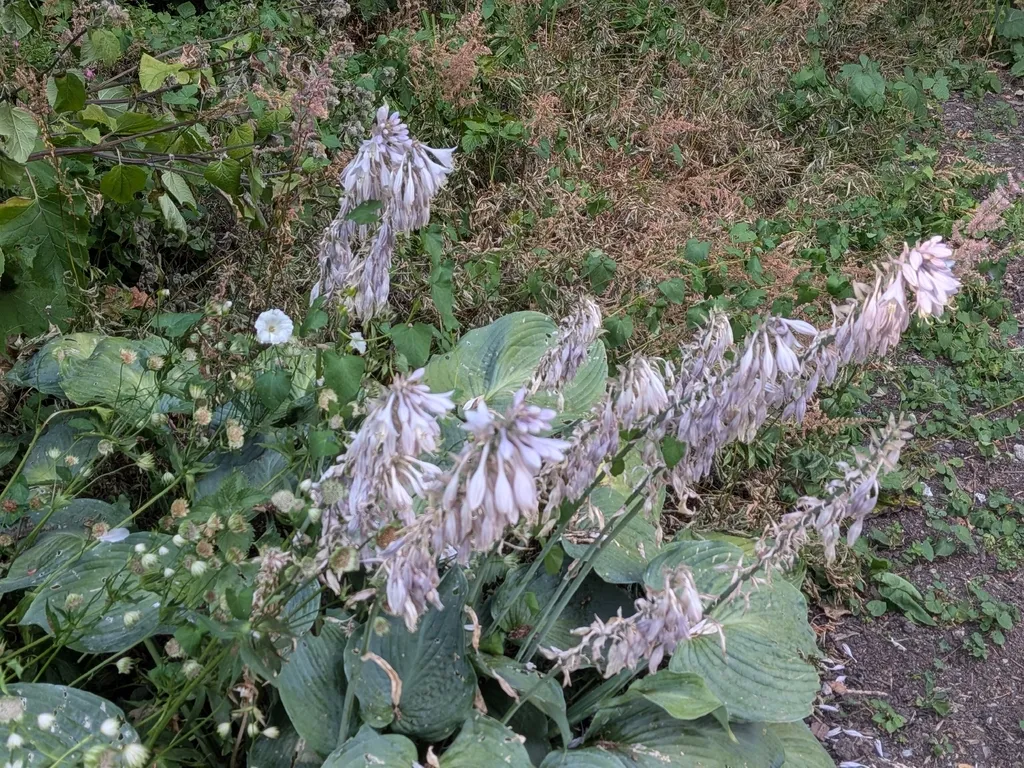
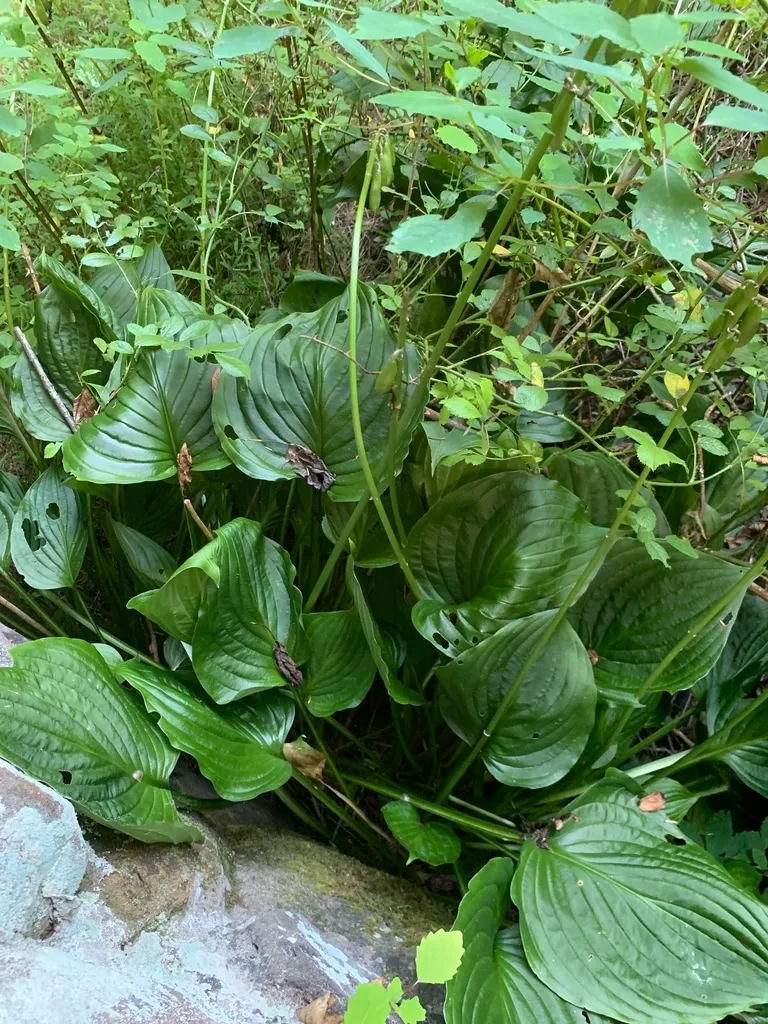
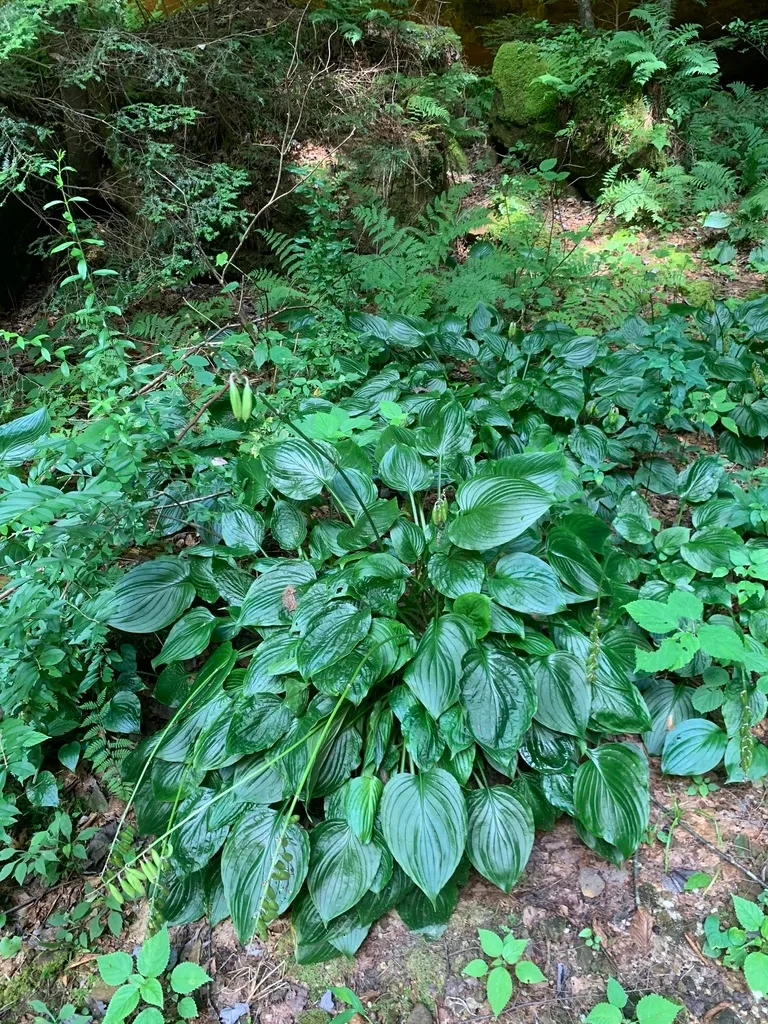
H. plantaginea forms a large dome-shaped mound, to 60cm high, with mid-green, glossy leaves and white flowers, very fragrant at night and borne on stems to 80cm, from late summer to autumn
Scientific classification
- Species
- fragrant plantain lily (Hosta plantaginea)
- Genus
- Hosta
- Family
- Asparagaceae
- Information to be completed
- Toxicity
- Herbaceous Perennial
- Plant type
- 0.5-1 metres
- Height
- 0.5-1 metres
- Spread
- Deciduous
- Foliage
- Bushy
- Habit
- Spring · Summer · Autumn
- Season of interest
- Full shade · Partial shade
- Sunlight
- 15 – 25 °C
- Ideal temperature









fragrant plantain lily pictures
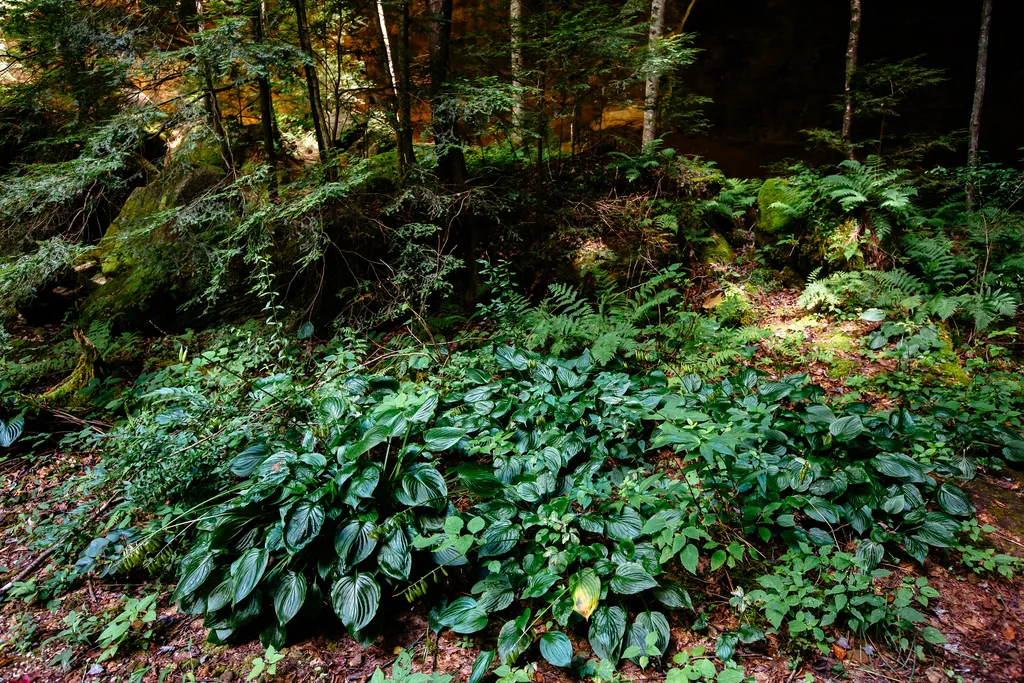
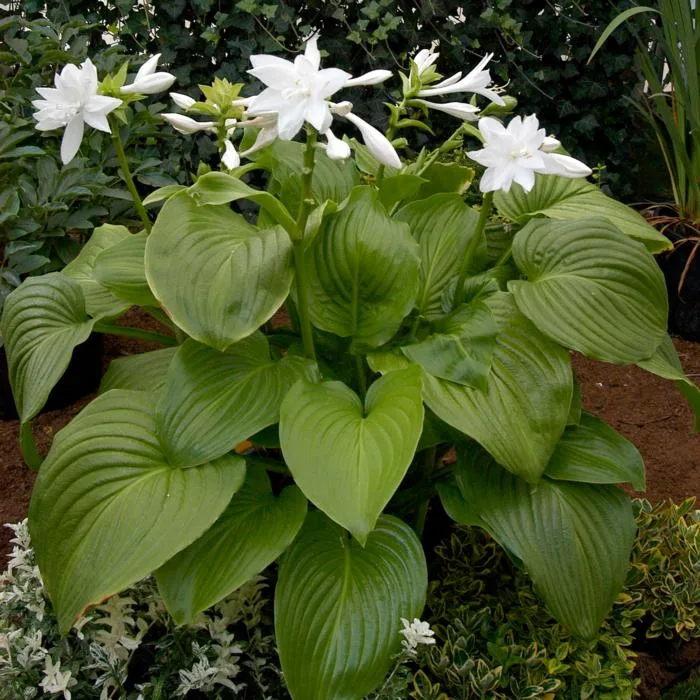
Distribution of fragrant plantain lily
Distribution map
- Native
- Introduced
- Cultivated
Locally extinct or doubtful records are excluded from native and introduced layers.
Source:WCVP v16 · Royal Botanic Gardens, Kew · CC BY 3.0 · Boundaries:WGSRPD / TDWG
Culture
Information to be completed
Toxicity
Information to be completed
Quick identification of fragrant plantain lily
Information to be completed
fragrant plantain lily care guide
- Keep humus-rich soil evenly moist, especially during warm weather
- Watering
- Full shade · Partial shade
- Sunlight
- 15 – 25 °C
- Ideal temperature

Watering
Keep humus-rich soil evenly moist, especially during warm weather
Fertilizing
 Fertilizing
Balanced shade-perennial feed monthly in spring and early summer
Pruning
 Pruning
Remove spent foliage as required and clear up dead foliage when it dies back at the end of the growing season
Propagation
 Propagation
 by division in late summer or early spring
Growing
 Growing
Grow in fertile, moist but well-drained soil, in partial shade or full shade, shelter from cold dry winds. See hosta cultivation for further information
People also ask
Information to be completed
Common pests and diseases
Diseases
Generally disease free
Pests
Prone to slugs and snails; plants in pots are susceptible to vine weevil
Explore the plant health library →




