



Planting and Growing poplar 'Rumford'

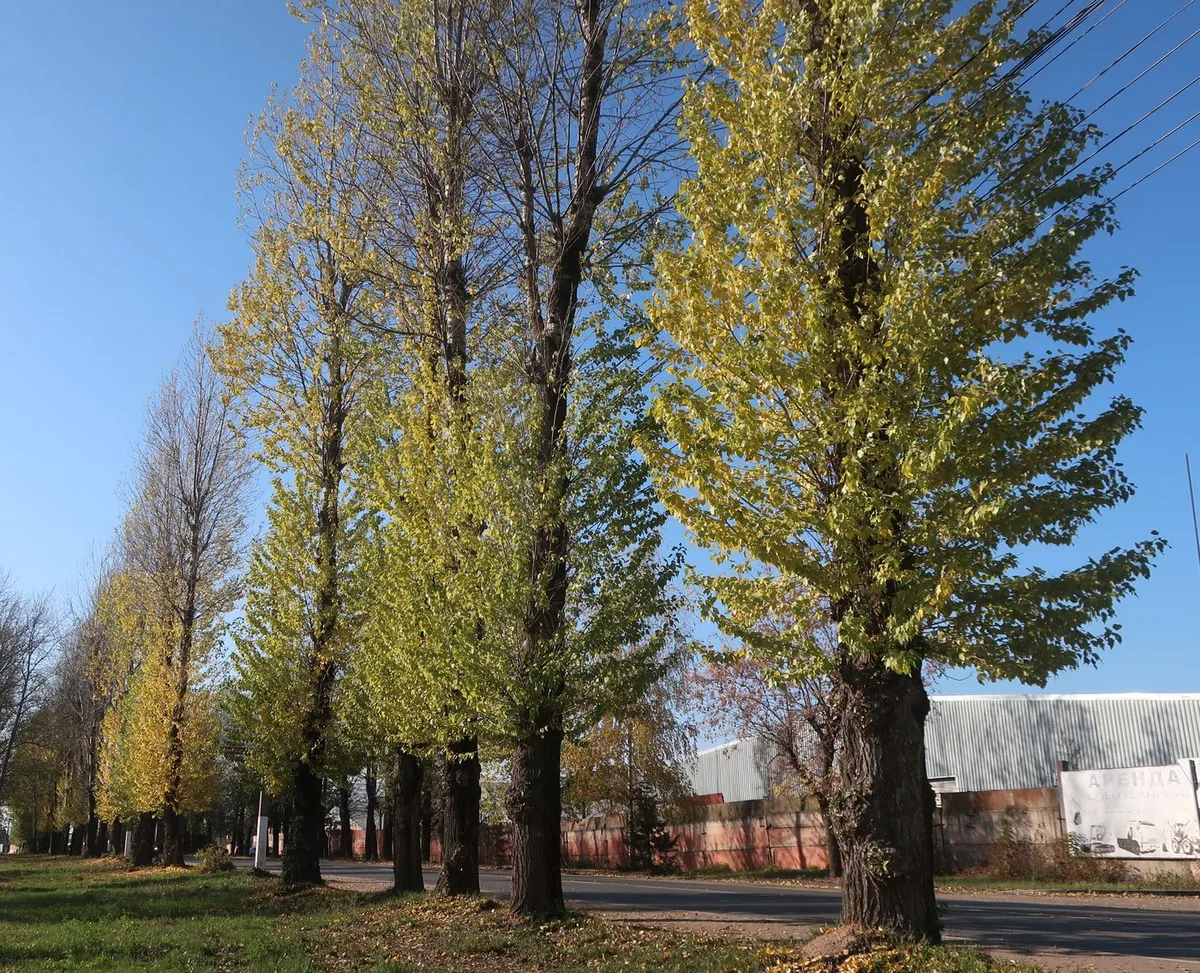
| Care difficulty | 2 / 5 |
|---|---|
| Watering schedule | Regular deep watering in hot dry periods, tolerate mild seasonal drought |
| Sunlight requirements | Full sun |
| Ideal temperature | Information to be completed |
| Soil type | Chalk · Clay · Loam · Sand |
| Soil pH | Acid · Alkaline · Neutral |
| Soil moisture | Moist but well drained |
| Fertilizing | All-purpose tree granular fertilizer applied single dose every early spring |
| Toxicity | Information to be completed |
How to Water poplar 'Rumford'?
Regular deep watering in hot dry periods, tolerate mild seasonal drought
Learn more →What Are the Sunlight Requirements for poplar 'Rumford'?
Full sun
Learn more →What Soil Is Best for poplar 'Rumford'?
- Soil type
- Chalk · Clay · Loam · Sand
- Soil pH
- Acid · Alkaline · Neutral
What Are the Moisture Requirements for poplar 'Rumford'?
Moist but well drained
Learn more →How to Fertilize poplar 'Rumford'?

All-purpose tree granular fertilizer applied single dose every early spring
Learn more →How to Prune poplar 'Rumford'?

Little pruning is needed. Remove diseased, damaged, crowded or crossing shoots and unwanted growth. Timing depends on the plant: generally late winter or early spring; plants prone to bleeding and deciduous magnolias need different timing, and deciduous azaleas and lilacs are pruned after flowering.
Learn more →How to Propagate poplar 'Rumford'?

Propagate by hardwood cuttings in winter and suckers in autumn or late winter
Learn more →How to Plant poplar 'Rumford'?
Cultivated for their very rapid growth as specimen trees. Useful as windbreaks. Tolerant of any soil other than constantly waterlogged soils. Avoid growing within 40m of buildings as the vigorous root systems may damage drains and foundations, particularly on clay soils; has the potential to become a nuisance
Learn more →Common Pests & Diseases

Diseases
May be susceptible to silver leaf, bacterial canker, tree rusts and honey fungus
Pests
May be susceptible to leaf beetles, sawflies and caterpillars
Explore the plant health library →