



Planting and Growing white poplar

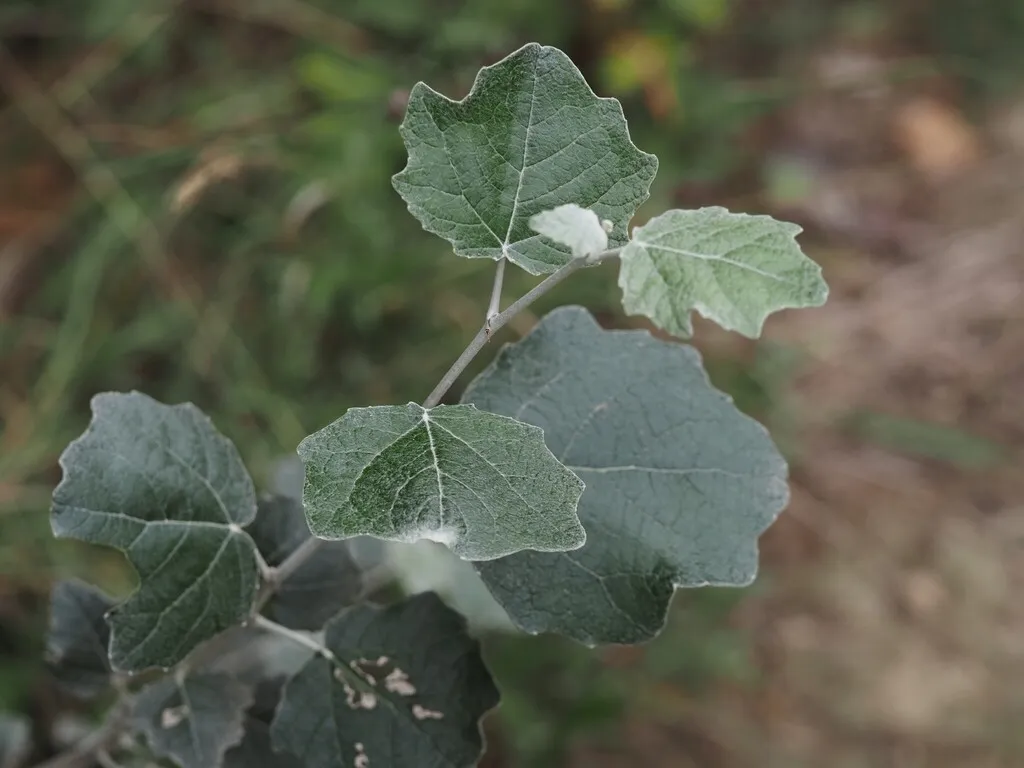
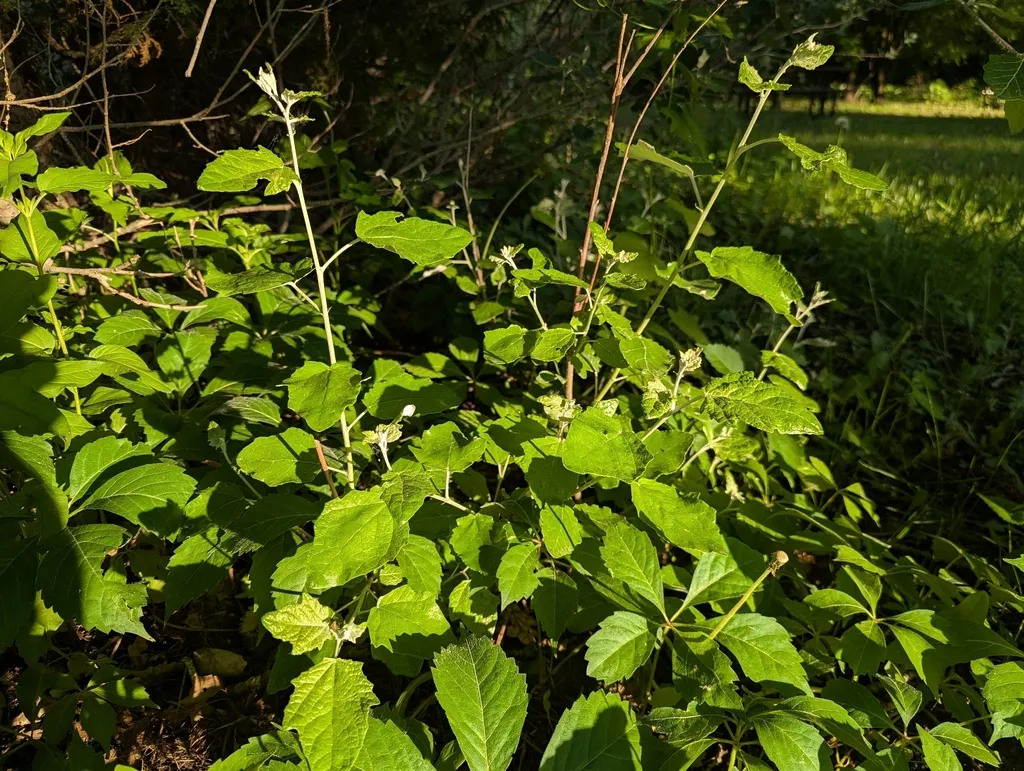
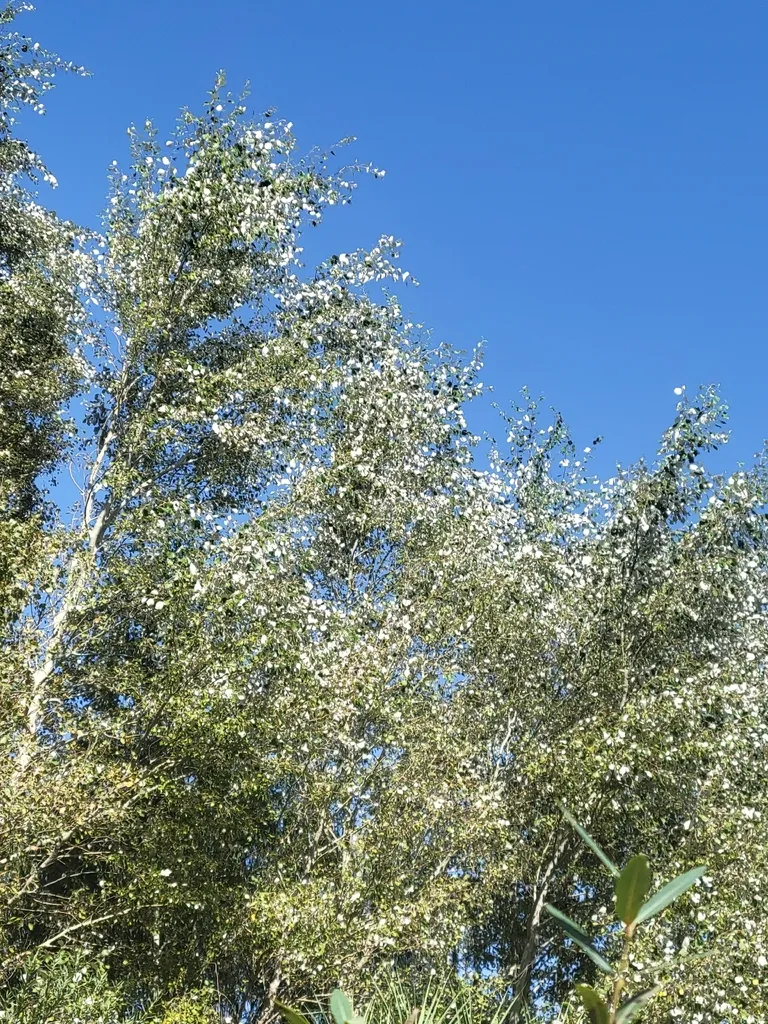
| Care difficulty | 2 / 5 |
|---|---|
| Watering schedule | Deep regular watering in first years, mature trees withstand mild drought |
| Sunlight requirements | Full sun |
| Ideal temperature | 15 – 25 °C |
| Soil type | Chalk · Clay · Loam · Sand |
| Soil pH | Acid · Alkaline · Neutral |
| Soil moisture | Moist but well drained · Poorly drained · Well drained |
| Fertilizing | One annual spring granular fertilizer feed before seasonal leaf flush |
| Toxicity | Information to be completed |
How to Water white poplar?
Adapted to temperate climates, white poplar thrives with moderate moisture and can tolerate brief periods of drought. Native to regions that experience a balance of rainfall and dry spells, this species has developed resilience. It requires watering once every 1-2 weeks, aligning with its ability to withstand slight water stress. Typically grown outdoors due to its size and growth habit, white poplar is deciduous, shedding leaves in response to water availability and seasonal changes.
Learn more →What Are the Sunlight Requirements for white poplar?
White poplar thrives best under full sun exposure, receiving at least 6 hours of direct sunlight daily, which is paramount for its vigorous growth and robust health. Despite its preference for bright conditions, white poplar exhibits tolerance for partial sun, wherein the intensity is diminished, adapting without significant detriment to its development; however, growth rates and foliage density may reduce in these less-illuminated environments. This species is equipped with broad leaves that can maximize light absorption—a testament to its evolutionary attunement to luminous habitats. Typically an outdoor inhabitant, white poplar should be planted in open areas where sunlight is least obstructed to capitalize on its light-friendly nature.
Learn more →What Is the Ideal Temperature Range for white poplar?

White poplar is known for its significant resilience to temperature fluctuations, tolerating cold as low as -25°C (-13°F) and heat up to 35°C (95°F). This hardy nature makes white poplar suitable for a variety of environments, though it may require protective measures during extreme weather to prevent potential damage. Under extremely cold conditions, look for signs of frost damage like browning leaves. In excessive heat, wilting or leaf scorch may occur. To counteract cold, apply mulch around the base, and for heat, ensure adequate watering and possible shade. This temperature resilience simplifies white poplar's care but remains vigilant in extreme conditions.
Learn more →What Soil Is Best for white poplar?
Native to riverbanks and moist ground, white poplar thrives in soil with a pH range of 5.5 to 8.0. The ideal soil is a well-drained mix of clay, sand, and loam, with high organic content. To mimic this, use a mix of 50% garden soil, 30% sand, and 20% compost. Drainage is crucial; ensure containers have holes, and avoid water-logging. Amend with slow-release fertilizer twice a year for optimal growth. Proper soil conditions enhance nutrient absorption and support white poplar's robust health and growth.
- Soil type
- Chalk · Clay · Loam · Sand
- Soil pH
- Acid · Alkaline · Neutral
What Are the Moisture Requirements for white poplar?
Moist but well drained · Poorly drained · Well drained
Learn more →How to Fertilize white poplar?

For optimal vigor, white poplar benefits from fertilization that enhances growth and plant health. Use balanced fertilizers in spring and high-nitrogen variants during active growth. Apply quarterly, adjusting amounts based on size and age of white poplar, smaller quantities for young trees. Over-fertilization can harm; avoid runoff to protect local ecosystems. Seasonal growth variations influence nutrient needs; less in fall to prepare for dormancy. Practical tip: incorporate fertilizer into the soil around white poplar for root uptake, avoiding direct contact with trunk.
Learn more →How to Prune white poplar?

White poplar, recognized for its silvery foliage and rapid growth, benefits from pruning in early spring, just before new growth begins. Key techniques include removing dead, damaged, or diseased branches to promote healthy development and air circulation. Additionally, thinning out overcrowded stems and shaping the tree enhances its aesthetics and prevents structural issues. Regular pruning also reduces the risk of pest infestations and encourages vigorous growth, making it an essential care practice for maintaining a healthy and attractive white poplar.
Learn more →How to Propagate white poplar?

White poplar can be propagated through hardwood cuttings, layering (air), and sowing seeds in autumn and winter. Its propagation difficulty is moderate. Signs of successful propagation include new growth and establishment of roots. For optimal results, take cuttings from mature, healthy plants and maintain adequate moisture and light during propagation.
Learn more →How to Transplant white poplar?
Transplanting white poplar becomes successful when done during early spring or late winter, as the plant experiences minimal stress while dormant. Ensure your chosen location has well-draining soil and moderate sunlight exposure. Use caution while handling roots to ensure a thriving transplant.
Learn more →How to Care for white poplar in Winter?

Information to be completed
Learn more →How to Plant white poplar?
Indoors-potted: Growing white poplar indoors requires a spacious area; its vigorous roots can outgrow pots and need regular pruning to maintain size. Outdoors-potted: White poplar in outdoor pots benefit from seasonal changes, but beware of the root system's potential to crack containers. Outdoors-in the ground: White poplar thrive outdoors with ample space, which supports their natural growth habit and impressive canopy spread.
Learn more →How to Repot white poplar?
Information to be completed
Learn more →How to Harvest white poplar?

Information to be completed
Learn more →Common Pests & Diseases

Diseases
May be susceptible to leaf spots, poplar bacterial canker, tree rusts and honey fungus
Pests
May be susceptible to leaf beetles, sawflies and caterpillars
Explore the plant health library →The Toxicity of white poplar
Information to be completed