



Planting and Growing English lavender

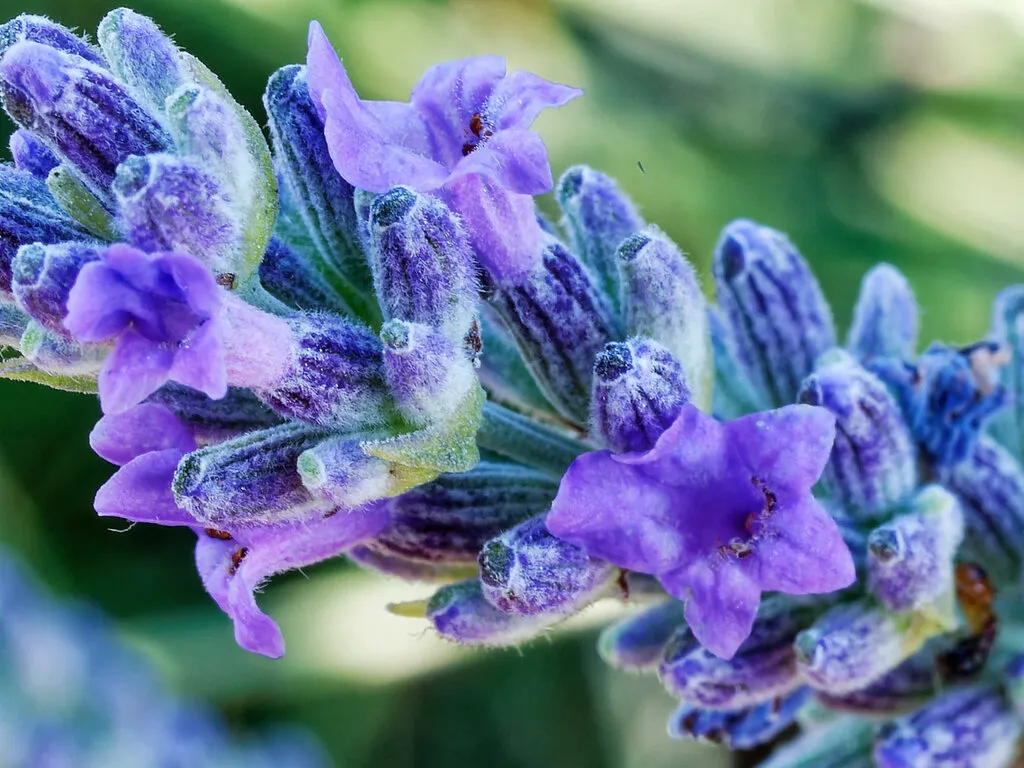
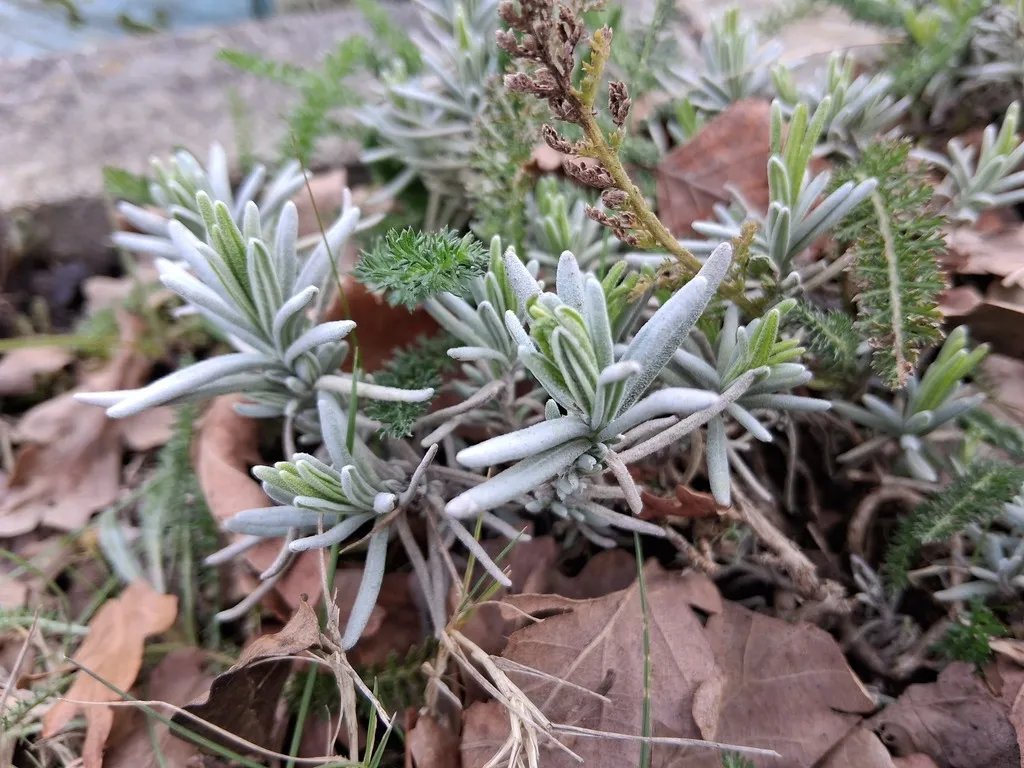
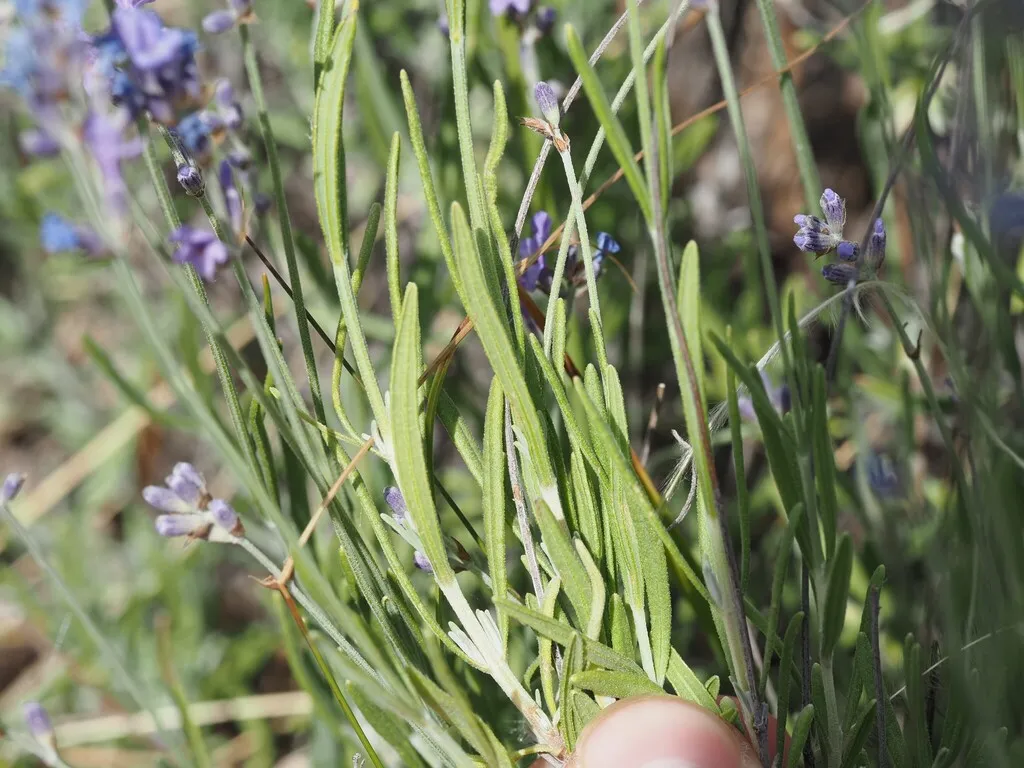
| Care difficulty | 3 / 5 |
|---|---|
| Watering schedule | Moderate regular watering, allowing brief slight drying between soakings |
| Sunlight requirements | Full sun |
| Ideal temperature | 15 – 25 °C |
| Soil type | Chalk · Loam · Sand |
| Soil pH | Acid · Alkaline · Neutral |
| Soil moisture | Well drained |
| Fertilizing | Balanced perennial feed every four weeks from spring through summer |
| Toxicity | Information to be completed |
How to Water English lavender?
Originating from the Mediterranean, english lavender thrives in well-drained soil and can tolerate dry conditions, reflecting its adaptation to a region with sporadic rainfall. This species prefers consistent moisture but is drought-resistant once established, requiring watering every week. In cultivation, english lavender flourishes outdoors where it benefits from natural precipitation patterns and exhibits resilience against varying moisture levels. Its evergreen nature ensures that even outside of the growing season, english lavender maintains hydration through its foliage.
Learn more →What Are the Sunlight Requirements for English lavender?
English lavender thrives best under full sun, requiring at least six hours of direct sunlight daily to flourish. These optimal lighting conditions foster robust growth, prevent disease, and encourage prolific blooming. However, english lavender displays a fair tolerance for partial sun, although less intense exposure may reduce flowering and can potentially lead to leggy stems and weaker plants. While it can adjust to varying light, english lavender’s ideal placement is in an open area outdoors where sunlight is abundant. Indoor cultivation should mimic these conditions with bright, sunny windowsills being the prime location.
Learn more →What Is the Ideal Temperature Range for English lavender?

English lavender is highly resilient to temperature fluctuations. It can endure cold temperatures as low as -20℃ (-4℉) and heat up to 38℃ (100℉). This adaptability implies that english lavender can thrive in environments with significant temperature variations but may require protection during extreme weather. In cold conditions, it may exhibit symptoms like browning and leaf drop; while in excessive heat, wilting and scorched leaves are common. To counter overcooling, use mulching and windbreaks; for overheating, provide shade and increase watering. These measures ensure english lavender's robust growth under diverse climatic conditions.
Learn more →What Soil Is Best for English lavender?
English lavender likes medium-rich to poor soils. If you want to grow this plant for essential oils, you can encourage their production by planting the english lavender in a lean soil. English lavender thrives in lean, well-drained soils that are more on the dry side. They also prefer neutral to slightly alkaline soil, with a pH value from 6.7 to 7.3.
- Soil type
- Chalk · Loam · Sand
- Soil pH
- Acid · Alkaline · Neutral
What Are the Moisture Requirements for English lavender?
Well drained
Learn more →How to Fertilize English lavender?

For thriving english lavender, use balanced nutrition fertilizers in spring and high-phosphorus fertilizers before flowering to boost blooms. Fertilize once at the start of the growing season and again mid-summer, applying as per label instructions, typically a small handful per plant. Sparse use encourages strong roots and foliage without excessive growth. Adjust application based on plant's appearance and soil richness; less is often more. Avoid over-fertilizing to prevent harming beneficial soil microbes and root burn. Monitoring growth stage and seasonality ensures optimal nutrient uptake for english lavender health.
Learn more →How to Prune English lavender?

English lavender is a hardy perennial known for its fragrant, purple flowers. For optimal health and flowering, prune english lavender in early spring or late winter. Remove about one-third of the height, cutting just above new shoots to encourage compact growth. Deadhead spent blooms throughout the growing season to extend flowering periods. Avoid cutting into old wood, as it may not regenerate. Pruning prevents legginess, promotes air circulation, and enhances overall appearance, making english lavender a vibrant addition to any garden.
Learn more →How to Propagate English lavender?

English lavender is best propagated through cuttings during spring and summer months. This method is fairly easy, with successful propagation indicated by healthy root development. Ensure adequate moisture and warmth for optimal growth.
Learn more →How to Transplant English lavender?
English lavender thrives when transplanted during the period of radiant blossoms, between mid-spring and early summer. Choose a sunny location with well-draining soil to ensure its growth. Gently loosen the root ball, and provide ample space between plants for ideal airflow.
Learn more →How to Plant English lavender?
Indoors-potted: Thriving on neglect, english lavender adapts well indoors but ensure good air circulation to mimic its preferred breezy habitats. Outdoors-potted: English lavender, when potted outdoors, appreciates space for roots—choose a large container to avoid frequent repotting. Outdoors-in the ground: In its natural setting, english lavender loves spreading out; allow ample room between plants to foster robust growth and prevent overcrowding.
Learn more →How to Repot English lavender?
Repot english lavender every 2-3 years during early spring, before new growth. A bushy, fragrant herb, english lavender thrives in a slightly larger pot to accommodate its roots. Opt for well-draining containers. After repotting, water sparingly and place in a sunny spot, ensuring it’s not overwatered to prevent root rot. Adequate sunlight and minimal post-repot care promote english lavender's robust health.
Learn more →How to Harvest English lavender?

You should harvest english lavender when nearly half of the buds are open. The harvesting process should be conducted early morning because that is the time of the day when the flowers have the highest concentration of essential oils. Cut the stem as low to the base as possible, and when you have a handful of flowers, make a bundle and secure it with a rubber band for drying. You can use the dry english lavender as a moth repellent and make herb sachets for your closets. These sachets will be effective for some time as the flowers can stay fragrant for many months when packed like this.
Learn more →Common Pests & Diseases

Diseases
High Risk Host for Xylella fastidiosa. May be susceptible to grey moulds (Botrytis) and honey fungus (rarely)
Pests
May be susceptible to rosemary beetle and cuckoo spit (froghoppers)
Explore the plant health library →Troubleshooting
Woody, Leggy Stems and Splitting Center
Lavandula angustifolia (English lavender) is a Mediterranean evergreen subshrub that naturally turns woody at the base over time and opens out in the center if not pruned annually or grown in low light.
| What you notice | Possible explanation | What to check next |
|---|---|---|
| Lower stems are bare and woody with green shoots only at the tips, and the mound flops open in the middle | Lack of annual pruning after flowering or insufficient direct sun | Check whether the plant receives at least 6 hours of direct sun and inspect for green shoots above the woody base. |
| Old woody base fails to sprout after a severe hard cutback | Cutting back too deeply into old leafless wood, which rarely regenerates | Always leave at least 1.5 to 2.5 cm (about 1 inch) of green leafy growth above old wood when pruning. |
- Plant in full sun (at least 6 to 8 hours of direct sunlight daily) with good air circulation.
- Prune annually in late summer right after flowering (or tidy lightly in mid-spring), shortening flowered shoots to about 2.5 cm (1 inch) above the woody base without cutting into bare old wood.
- Grow in lean, fast-draining neutral-to-slightly-alkaline soil; avoid rich organic mulches piled against the stem crown and avoid high-nitrogen fertilizers.
English lavender struggles as a long-term indoor houseplant because indoor air is too stagnant and light is rarely strong enough.
Yellowing, Wilting Foliage and Root or Crown Rot
Lavender is highly sensitive to wet, poorly drained soil and high humidity, which cause Phytophthora root rot or Botrytis gray mold.
| What you notice | Possible explanation | What to check next |
|---|---|---|
| Foliage turns dull gray-yellow and wilts even though the soil is damp or heavy | Root or crown rot from overwatering, heavy clay soil, or winter waterlogging | Check soil drainage and ensure water never collects around the roots. |
| Fuzzy gray mold or blackened shoots develop in cool, wet, crowded conditions | Botrytis (gray mold) or poor airflow | Prune out affected shoots, increase spacing/airflow, and water at the soil level rather than overhead. |
- Use sandy, gravelly, or grit-amended soil in raised beds or terracotta containers with open drainage holes.
- Water deeply only after the soil has dried out near the surface; established outdoor plants rarely need frequent watering once rooted.
- Keep organic mulch away from the woody crown and consider gravel mulch to reflect light and keep the neck dry.
Lavandula angustifolia is listed as toxic to cats, dogs, and horses by the ASPCA if ingested in quantity due to linalool and linalyl acetate.