
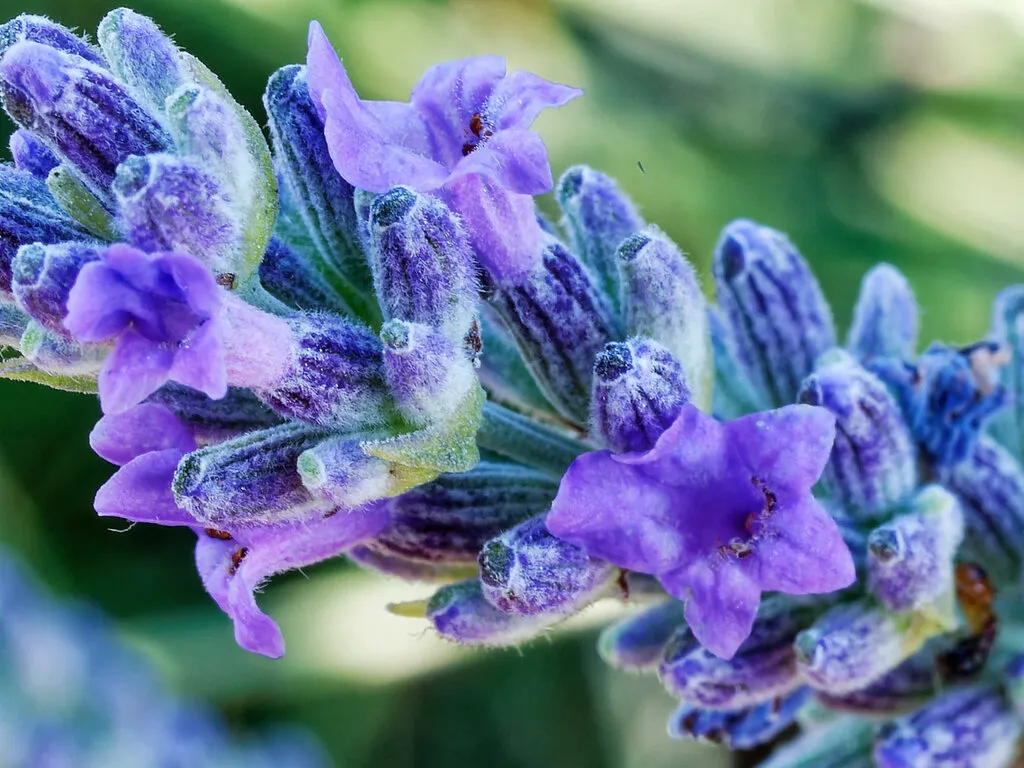



English lavender

English lavender · Pruning

English lavender · Lavandula angustifolia
Also known as: common lavender; spike-oil plant

English lavender is known for its resilience and low maintenance, making it a relatively easy plant to care for. Key care points include ensuring full sun exposure and planting in well-draining soil to prevent root rot. Additionally, minimal watering is needed once established, and pruning should be done after flowering to maintain shape and promote growth.

Watering: Moderate regular watering, allowing brief slight drying between soakingsSunlight: Full sunInformation to be completed

How to Prune English lavender?

English lavender is a hardy perennial known for its fragrant, purple flowers. For optimal health and flowering, prune english lavender in early spring or late winter. Remove about one-third of the height, cutting just above new shoots to encourage compact growth. Deadhead spent blooms throughout the growing season to extend flowering periods. Avoid cutting into old wood, as it may not regenerate. Pruning prevents legginess, promotes air circulation, and enhances overall appearance, making english lavender a vibrant addition to any garden.

PlantCare

Your Ultimate Guide to Plants

Identify, grow and nurture the better way!

PlantCare plant identification and care illustration
PlantCare

Botanist in your pocket

Scan to download PlantCareDownload on the App Store

Scan the QR code with your phone camera to download the app