



Planting and Growing paper flower

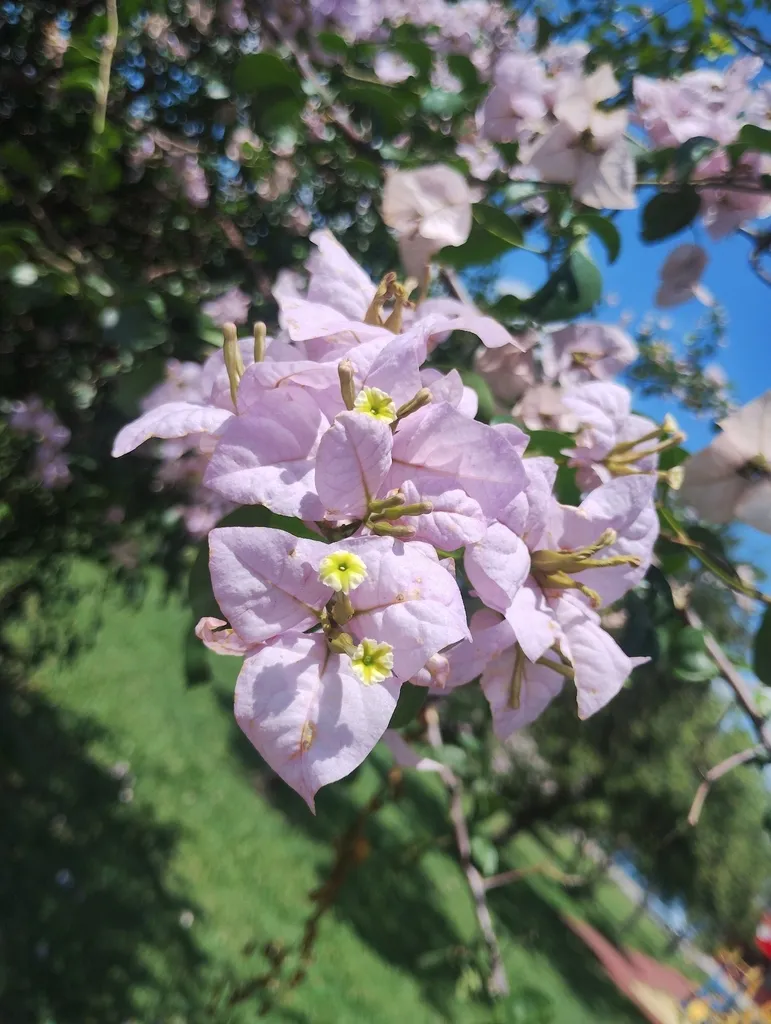
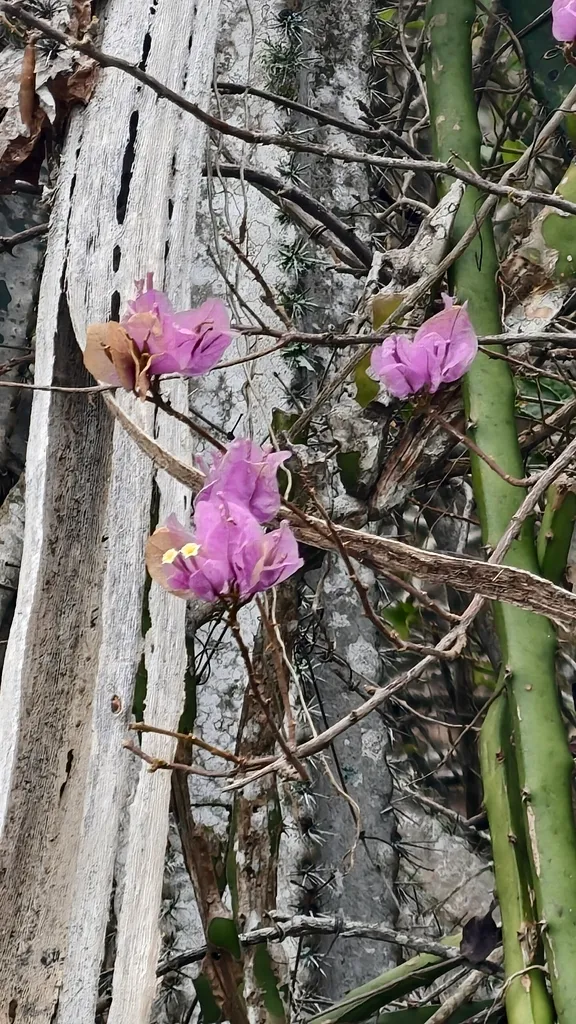
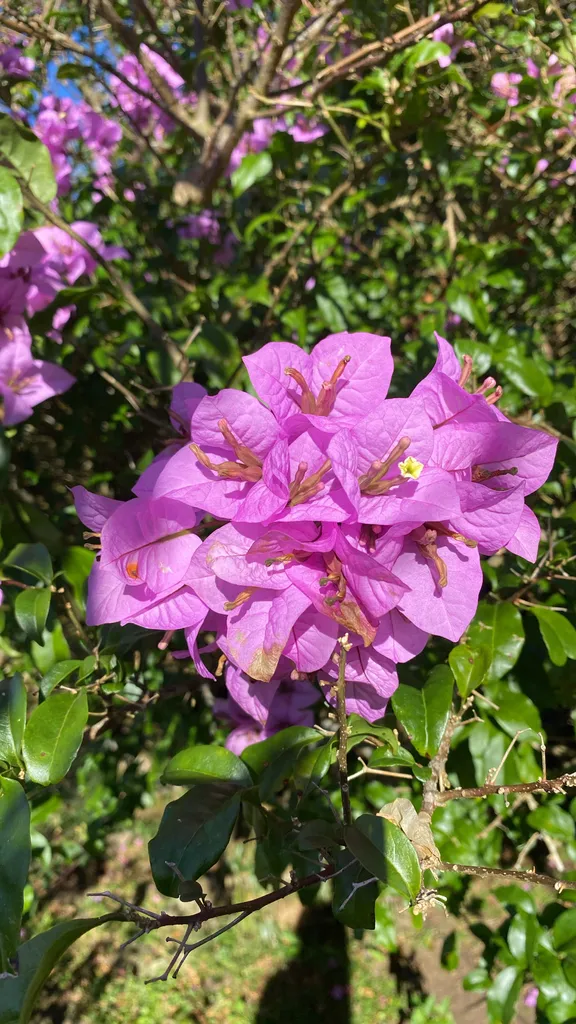
| Care difficulty | 2 / 5 |
|---|---|
| Watering schedule | Deep soak after top soil fully dries, drastically cut water in cold winter |
| Sunlight requirements | Full sun |
| Ideal temperature | 20 – 30 °C |
| Soil type | Loam |
| Soil pH | Acid · Alkaline · Neutral |
| Soil moisture | Moist but well drained |
| Fertilizing | Diluted high-potassium feed monthly spring through early autumn period |
| Toxicity | Information to be completed |
How to Water paper flower?
Originating from arid regions, paperflower has adapted to thrive with minimal moisture, exhibiting a high drought tolerance. This species typically flourishes in environments that mimic its native dry conditions, requiring watering once every 1-2 weeks to maintain the right balance of soil moisture. Its preference for drier climates is evident in its water storage strategies and leaf structure. Commonly grown outdoors due to its vibrant bracts and sprawling growth habit, paperflower requires well-draining soil to prevent root rot, especially during its active growing season when efficient water use is crucial.
Learn more →What Are the Sunlight Requirements for paper flower?
Paperflower thrives in full sun conditions, requiring abundant light for optimal growth and flowering. While it can tolerate some shade, excessive shading can result in reduced blooming and vigor. Exposure to direct sunlight for at least six hours a day is ideal to promote healthy foliage and vibrant flower bracts. Paperflower has adapted well to high light conditions, with its leaves able to withstand intense sun without scorching. When grown outdoors, paperflower should be placed in locations that receive uninterrupted sunlight. Indoors, a south-facing window is most suitable to provide the necessary light levels for paperflower to flourish.
Learn more →What Is the Ideal Temperature Range for paper flower?

Paperflower can endure a wide range of temperatures, showcasing significant resilience. It has the ability to withstand cold temperatures down to 0℃ (32℉) and can tolerate heat up to 43℃ (109℉). This broad tolerance means paperflower requires minimal protective measures, though extreme cold may necessitate covering or relocating the plant indoors. Under too cold conditions, paperflower may exhibit leaf drop or stunted growth, while excessive heat might cause wilting or scorched leaves. Countermeasures for overcooling include using frost cloths or bringing the plant inside, whereas for overheating, providing shade and adequate watering can mitigate stress. This adaptability makes paperflower suitable for various climates, enhancing its appeal and ease of care.
Learn more →What Soil Is Best for paper flower?
Paperflower thrives in well-draining soil to prevent water-logging. A suitable soil mix contains equal parts potting mix and perlite to ensure aeration. Should perlite be scarce, coarse sand or small gravel are alternatives. This blend promotes root health, critical for paperflower's growth. Incorporate a slow-release fertilizer. Regularly check the topsoil for dryness before watering to maintain the ideal moisture balance.
- Soil type
- Loam
- Soil pH
- Acid · Alkaline · Neutral
What Are the Moisture Requirements for paper flower?
Moist but well drained
Learn more →How to Fertilize paper flower?

For the vivid growth and prolific blooms of Bougainvillea glabra, optimal fertilization is key. A balanced N-P-K (nitrogen, phosphorus, potassium) fertilizer supports robust growth and flowering. Apply a quarter-strength solution every 3-4 weeks during growing seasons; reduce to once every 6 weeks in the winter. Excessive fertilization can diminish bloom quality, so adhere to the recommended rates. Varying nutrient needs throughout growth stages require adjusting the fertilization routine accordingly. Apply granular fertilizer with care to avoid root burn and ensure even distribution. Water paperflower well after fertilizing to aid nutrient absorption and prevent root damage.
Learn more →How to Prune paper flower?

Paperflower, known for its vibrant bracts and vigorous growth, thrives with proper pruning. Optimal timing is early spring, before new growth begins. Key techniques include removing dead or weak stems to promote air circulation and shape. Cut back to a healthy node or bud, and trim longer vines to encourage a fuller appearance. Regular pruning enhances flowering and prevents the plant from becoming unruly, ensuring a healthy and aesthetically pleasing growth form.
Learn more →How to Propagate paper flower?

Paperflower is best propagated through cuttings during spring or summer months. This method may pose some difficulty for beginners, but successful propagation is indicated by new growth on the cuttings. Consistently moist soil and proper drainage are crucial.
Learn more →How to Transplant paper flower?
The ideal season for transplanting paperflower is from mid-spring to early winter, as this period promotes optimum growth. For best results, choose a sunny location with well-draining soil. Remember to gently loosen the root ball while transplanting, and keep the plant well-watered.
Learn more →How to Care for paper flower in Winter?

Paperflower originates from South America's tropical climate, naturally enduring mild winters without frost. Adapting to winter includes shedding leaves for conserving energy. To ensure paperflower flourishes, gardeners must mimic its natural habitat by providing ample sunlight, temperature above 10°C, and protecting it from frost. Paperflower can be brought indoors during freezing months, ensuring this exotic beauty survives the winter.
Learn more →How to Plant paper flower?
Indoors-potted: Give paperflower a stable home indoors; this vibrant climber enjoys a consistent setting to flourish. Outdoors-potted: In an outdoor pot, ensure paperflower has room to grow; its vigorous nature needs space to showcase its beauty. Outdoors-in the ground: When planted in the ground, paperflower thrives with ample freedom, turning any garden into a colorful retreat.
Learn more →How to Repot paper flower?
Paperflower, a vibrant climber with striking blooms, thrives when repotted every 2-3 years, ideally during spring for robust growth. Select a new pot slightly larger than the current, ensuring ample room for roots. After repotting, place paperflower in bright, indirect light and maintain slight soil moisture without overwatering. Tailored care ensures this stunning species continues to flourish with minimal fuss.
Learn more →Common Pests & Diseases

Diseases
Generally disease-free
Pests
May be susceptible to glasshouse red spider mite, mealybugs, aphids and glasshouse whitefly
Explore the plant health library →Troubleshooting
Lush Green Growth Without Colorful Flower Bracts
Bougainvillea glabra (lesser bougainvillea / paper flower) produces its papery magenta, purple, or white bracts on new shoots only when given intense direct sun, well-drained soil that dries slightly between waterings, and low-to-moderate nitrogen.
| What you notice | Possible explanation | What to check next |
|---|---|---|
| Thorny green vines grow vigorously with few or no colorful bracts | Insufficient direct sunlight, excess nitrogen fertilizer, or constantly wet soil | Verify at least 6 hours of direct sunlight daily and switch from high-nitrogen feed to a balanced or potassium-rich bloom fertilizer. |
| Continuous trimming removes new shoot tips before flower buds form | Pruning at the wrong time in the bloom cycle | Prune right after a flush of blooms finishes rather than trimming continuously during bud development. |
- Place in full, unobstructed sun (at least 6 hours of direct sunlight daily outdoors, or a bright south-facing sunroom/window).
- Allow the top layer of potting mix to dry out between deep waterings once established; mild drying between waterings stimulates blooming.
- Prune right after flowering finishes to shape the plant and encourage the next wave of flowering shoots.
Bougainvillea glabra has fragile roots that resent disturbance; handle the root ball gently when repotting and avoid oversized pots.
Sudden Leaf and Bract Drop
Transplanting shock, moving indoors for winter, cold drafts, or soggy roots quickly trigger leaf and bract drop on Bougainvillea glabra.
| What you notice | Possible explanation | What to check next |
|---|---|---|
| Leaves and colorful bracts drop rapidly after repotting or bringing a potted plant indoors for winter | Root disturbance or sudden reduction in light and temperature | Place in the sunniest window available above 5°C to 10°C (41°F to 50°F), water sparingly while leafless, and wait for spring shoots. |
| Lower leaves yellow and drop while potting mix stays soggy | Overwatering or poor drainage | Empty standing water and allow the soil to dry out before watering again. |
- Grow in fast-draining loamy soil or potting mix in a container with open drainage holes.
- Wear thick gloves when pruning, as stems carry sharp woody thorns and sap can cause mild skin irritation.
- Bougainvillea glabra is listed as non-toxic to cats and dogs by the ASPCA, though its thorns can cause physical scratches.
Bougainvillea glabra has hairless (glabrous) leaves and slightly smaller bracts than hairy-leaved Bougainvillea spectabilis, and often blooms even more freely in containers.