



Planting and Growing bougainvillea 'Margaret Bacon'

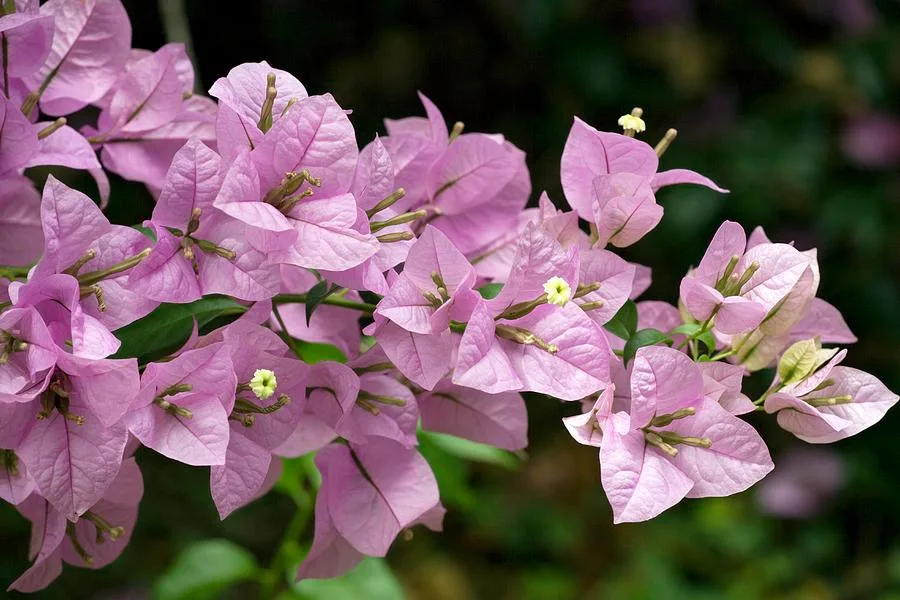
| Care difficulty | 3 / 5 |
|---|---|
| Watering schedule | Moderate regular watering, allowing brief slight drying between soakings |
| Sunlight requirements | Full sun |
| Ideal temperature | Information to be completed |
| Soil type | Loam |
| Soil pH | Acid · Neutral |
| Soil moisture | Moist but well drained |
| Fertilizing | Balanced perennial feed every four weeks from spring through summer |
| Toxicity | Information to be completed |
How to Water bougainvillea 'Margaret Bacon'?
Moderate regular watering, allowing brief slight drying between soakings
Learn more →What Are the Sunlight Requirements for bougainvillea 'Margaret Bacon'?
Full sun
Learn more →What Soil Is Best for bougainvillea 'Margaret Bacon'?
- Soil type
- Loam
- Soil pH
- Acid · Neutral
What Are the Moisture Requirements for bougainvillea 'Margaret Bacon'?
Moist but well drained
Learn more →How to Fertilize bougainvillea 'Margaret Bacon'?

Balanced perennial feed every four weeks from spring through summer
Learn more →How to Prune bougainvillea 'Margaret Bacon'?

On established plants, shorten sideshoots to three or four buds from the permanent framework; remove crowded or damaged shoots. Prune annually after flowering on last-year growth, or in late winter or early spring on current-year growth.
Learn more →How to Propagate bougainvillea 'Margaret Bacon'?

Propagate by softwood cuttings in spring, or semi-hardwood cuttings in summer, or by layering in early autumn or spring
Learn more →How to Plant bougainvillea 'Margaret Bacon'?
Grow outdoors in frost-free areas, or indoors in a loam-based potting compost (John Innes No 3) in full light. May lose leaves if temperatures fall below 8°C (46°F), but this should not affect the following season's growth as long as the plant is protected from frost and freezing temperatures. Water regularly and feed monthly from spring to autumn
Learn more →Common Pests & Diseases

Diseases
Generally disease-free
Pests
May be susceptible to red spider mites, mealybugs, aphids and whitefly
Explore the plant health library →