



Planting and Growing Chilean bellflower

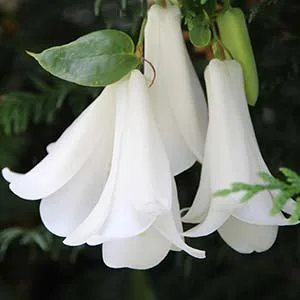
| Care difficulty | 1 / 5 |
|---|---|
| Watering schedule | Water regularly, keeping the soil moist but well-drained; reduce in winter. |
| Sunlight requirements | Full sun · Partial shade |
| Ideal temperature | Information to be completed |
| Soil type | Clay · Loam · Sand |
| Soil pH | Acid · Neutral |
| Soil moisture | Moist but well drained |
| Fertilizing | Apply a balanced fertilizer monthly during the growing season. |
| Toxicity | Information to be completed |
How to Water Chilean bellflower?
Water regularly, keeping the soil moist but well-drained; reduce in winter.
Learn more →What Are the Sunlight Requirements for Chilean bellflower?
Full sun · Partial shade
Learn more →What Soil Is Best for Chilean bellflower?
- Soil type
- Clay · Loam · Sand
- Soil pH
- Acid · Neutral
What Are the Moisture Requirements for Chilean bellflower?
Moist but well drained
Learn more →How to Fertilize Chilean bellflower?

Apply a balanced fertilizer monthly during the growing season.
Learn more →How to Prune Chilean bellflower?

Routine pruning is unnecessary; shorten overlong shoots to fit the available space. For last-year flowering growth, prune after flowering; for current-year flowering growth, prune in late winter or spring. This guidance is for established plants.
Learn more →How to Propagate Chilean bellflower?

Propagate by seed that has been soaked in water for 48 hours, at 13-18°C in spring. Take semi-ripe cuttings in late summer, or layer in autumn
Learn more →How to Plant Chilean bellflower?
Under glass, grow in lime-free (ericaceous) compost with added sharp sand, in bright, filtered light. During the growing season water moderately and apply a balanced liquid fertiliser monthly; water sparingly in winter. Outdoors grow in humus-rich, moist but well-drained, neutral to acid soil in partial shade. Provide support, protection from cold, drying winds, and a dry winter mulch
Learn more →Common Pests & Diseases

Diseases
Generally disease-free
Pests
May be susceptible to aphids, scale insects, mealybugs and thrips
Explore the plant health library →