



Planting and Growing common jasmine

| Care difficulty | 2 / 5 |
|---|---|
| Watering schedule | Moderate regular watering, allowing brief slight drying between soakings |
| Sunlight requirements | Full sun · Partial shade |
| Ideal temperature | 15 – 25 °C |
| Soil type | Chalk · Clay · Loam · Sand |
| Soil pH | Acid · Alkaline · Neutral |
| Soil moisture | Moist but well drained · Well drained |
| Fertilizing | Balanced perennial feed every four weeks from spring through summer |
| Toxicity | Information to be completed |
How to Water common jasmine?
Thriving in its native tropical habitat, common jasmine has adapted to regular moisture and moderate humidity. This species is resilient but prefers consistent hydration, aligning with its origins. It benefits from watering every week to maintain its lush foliage and support flowering. As an evergreen plant, common jasmine retains its leaves year-round, requiring careful water management to prevent both drought stress and overwatering which can be particularly crucial during the active growing season.
Learn more →What Are the Sunlight Requirements for common jasmine?
Common jasmine thrives in full sunlight, where it can enjoy abundant light for most of the day. This level of light exposure is necessary to promote vigorous growth, optimal health, and vibrant flowering. While common jasmine can tolerate partial sun, reduced light levels may lead to diminished flowering and leggy growth as it stretches towards the light source. In outdoor environments, common jasmine is best planted in locations where it can bask in direct sunlight for at least six hours daily.
Learn more →What Is the Ideal Temperature Range for common jasmine?

Common jasmine shows notable resilience to temperature fluctuations. It can endure cold temperatures down to -15℃ (5°F) and withstand heat up to 41℃ (106°F). This broad range signifies its adaptability to varied climates, though it may require extra care in harsher conditions. In severe cold, common jasmine might exhibit leaf yellowing or drop, while excessive heat can cause wilting or leaf scorching. To protect common jasmine from overcooling, consider using frost blankets, and for overheating, ensure adequate watering and provide shade. Such measures are crucial for maintaining its health in extreme environments.
Learn more →What Soil Is Best for common jasmine?
For optimal growth, common jasmine requires well-draining soil to prevent water-logging. A suitable mix includes garden soil, compost, and perlite or sand for aeration. Alternatively, use one part garden soil, one part sand, and one part peat moss. Ensure good drainage by adding a layer of gravel at the pot's base. Enhance with balanced liquid fertilizer every four weeks during growing season.
- Soil type
- Chalk · Clay · Loam · Sand
- Soil pH
- Acid · Alkaline · Neutral
What Are the Moisture Requirements for common jasmine?
Moist but well drained · Well drained
Learn more →How to Fertilize common jasmine?

To ensure common jasmine's robust growth and vibrant blossoms, utilize balanced nutrition fertilizers rich in equal parts nitrogen, phosphorus, and potassium. Commence fertilizing at the onset of the growing season, implementing a monthly schedule until the growth period concludes. Adequate quantities, following the manufacturer's guidelines, are pivotal. Seasonal adjustments to fertilization are crucial: increase during active growth, spring to summer, and diminish in fall to winter. Prioritize liquid fertilizers for immediate uptake, cautiously employing granular types to prevent root burn. Monitoring soil fertility, to avoid excessive feeding, is vital. These practices pave the way for common jasmine's healthy development and exquisite flowering.
Learn more →How to Prune common jasmine?

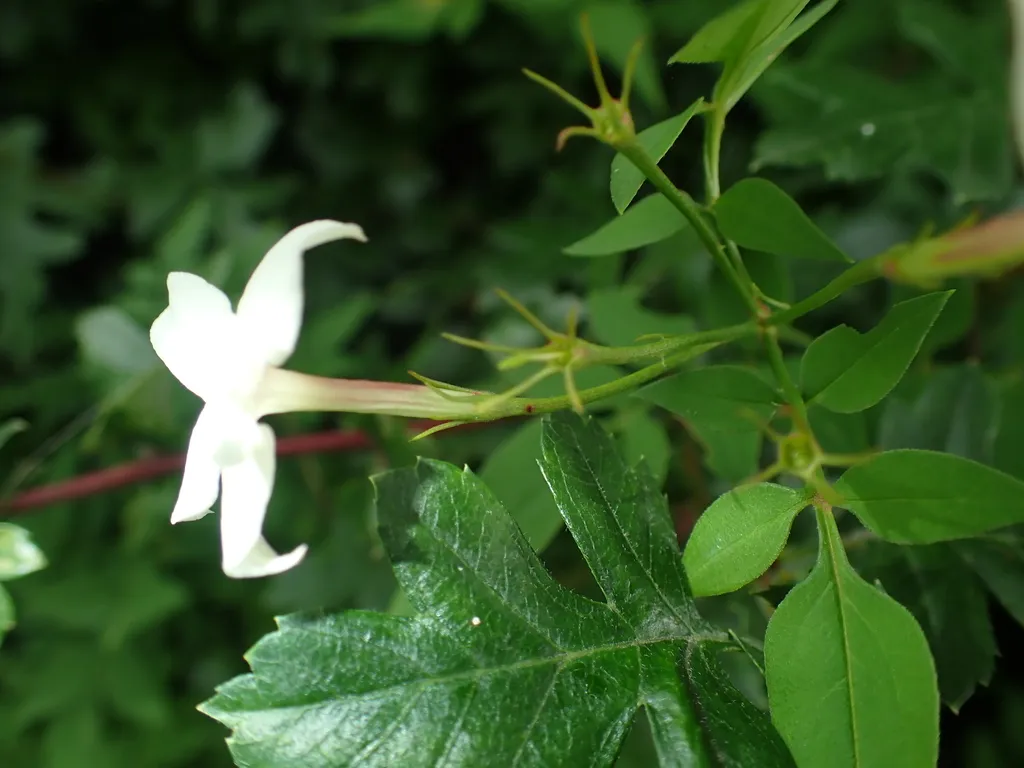
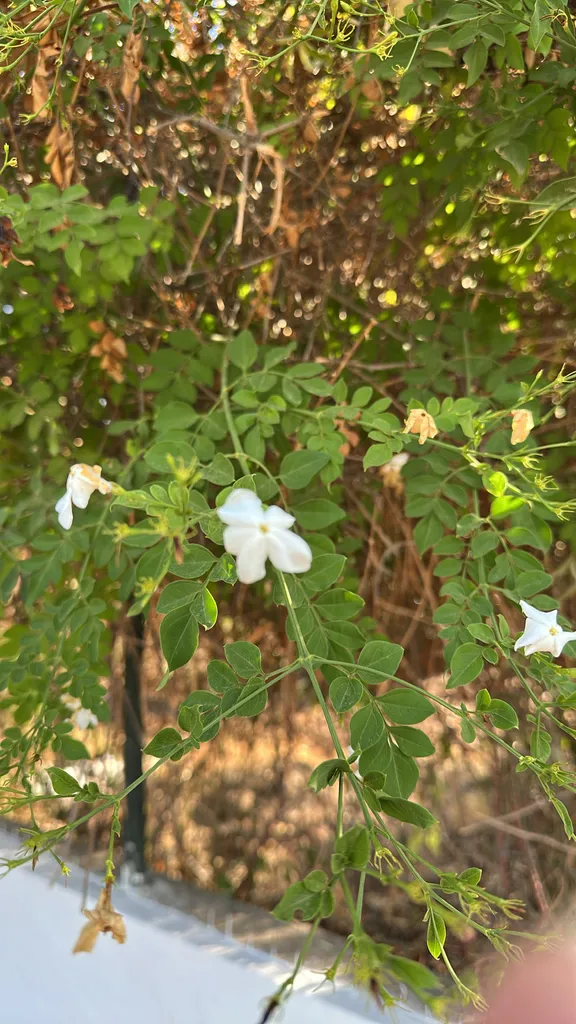
Common jasmine, characterized by its fragrant white flowers and vigorous growth, thrives with regular pruning. Optimal timing is early spring, before new growth begins. Key techniques involve removing dead, damaged, or overcrowded stems to promote airflow and sunlight penetration. After flowering, lightly trim to maintain shape and prevent overgrowth. Pruning encourages healthier blooms and prevents disease.
Learn more →How to Propagate common jasmine?

Known for its fragrant, starry-white flowers, common jasmine is a popular woody vine whose successful propagation requires attention to detail. Propagation via cuttings is the preferred method, with semi-ripe cuttings from the current year's growth providing the best results. Ensure cuttings have a few leaves and are around 4-6 inches long. Plant in a well-draining medium, maintaining moisture without waterlogging to encourage rooting. Rooting hormone can enhance success rates, allowing gardeners to multiply common jasmine effectively.
Learn more →How to Transplant common jasmine?
Transplant common jasmine as the chill of winter fades, during the gentle warmth of mid-to-late spring, for optimal root establishment. Choose a sun-kissed spot with well-drained soil, gently encouraging its roots to a supportive new home.
Learn more →How to Plant common jasmine?
Indoors-potted: For common jasmine indoors, ensure strong support for its climbing habit; a trellis or similar structure will encourage healthy growth. Outdoors-potted: Outdoor potted common jasmine thrive with seasonal pruning to maintain shape and promote more vigorous flowering. Outdoors-in the ground: Common jasmine in the garden requires ample space to spread its roots; overcrowding can hinder its full blooming potential.
Learn more →How to Repot common jasmine?
For common jasmine, a climber that can grow tall, repotting is best done every 2-3 years, early spring. Select a container that accommodates its root system, allowing room for growth, without being overly spacious. Using well-draining soil, post-repotting care should include regular watering and partial sun exposure to ensure robust recovery and flourishing growth.
Learn more →How to Harvest common jasmine?

Common jasmine generally blooms in spring and summer, and the flowers are always full of aroma. Picking flowers for home flower arrangements can also promote blooming. Long tendrils of vine varieties can bring movement and romance. Be sure to pick blooms before the buds are fully opened. Cut in the morning or evening, when they are most hydrated. Prune the base of branches at an angle of 45 degrees to increase the water absorption area, and place it in a vase with water quickly. Common jasmine can live in a vase about a week.
Learn more →Common Pests & Diseases

Diseases
May be susceptible to honey fungus (rarely)
Pests
May be susceptible to aphids, scale insects and mealybugs and glasshouse red spider mite under glass
Explore the plant health library →