



Planting and Growing Lavandula dhofarensis

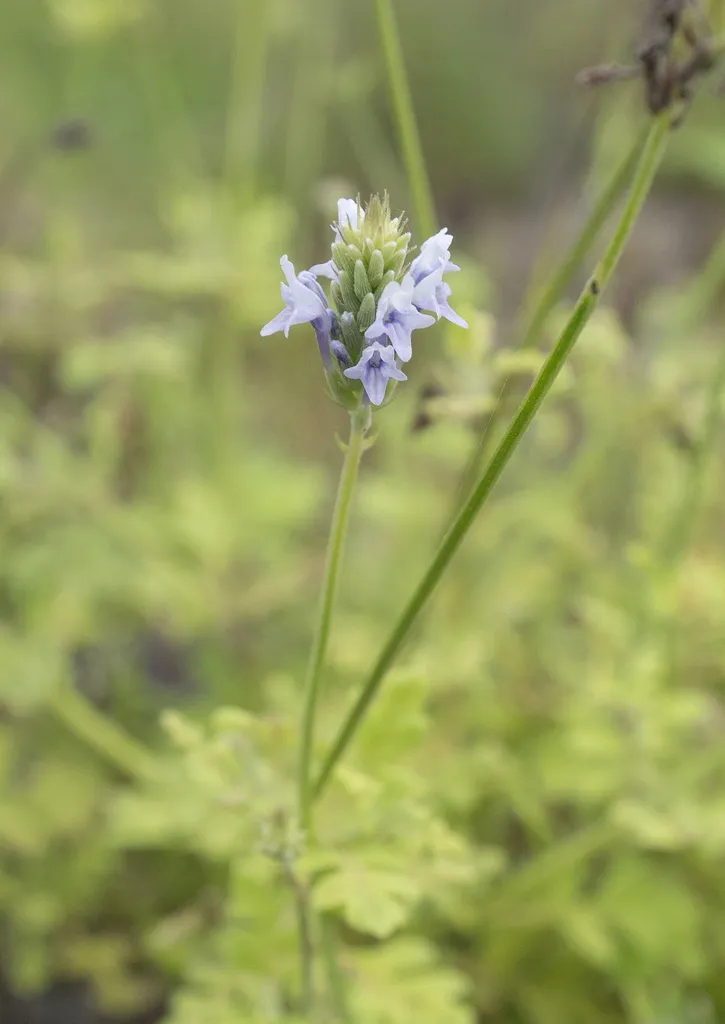
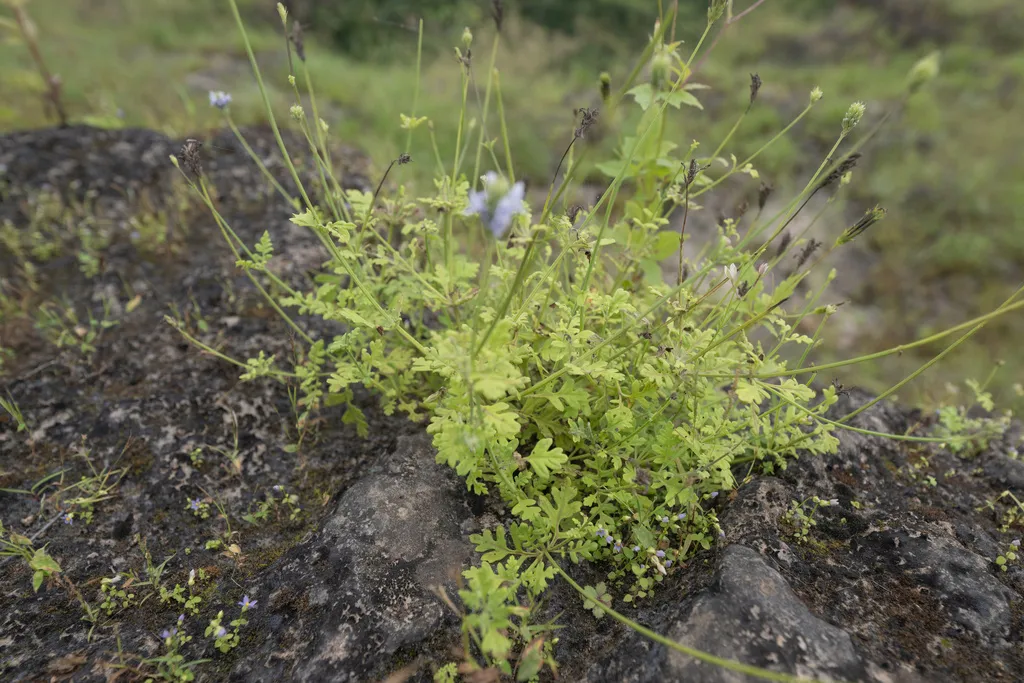
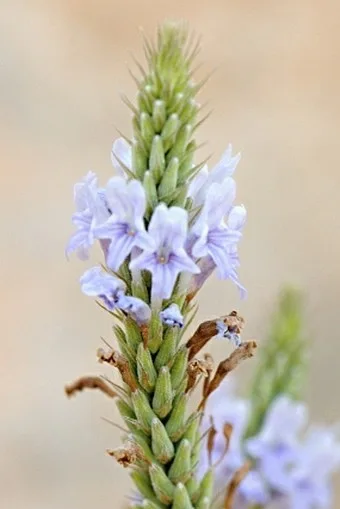
| Care difficulty | 2 / 5 |
|---|---|
| Watering schedule | Water sparingly with excellent drainage, avoid winter wet |
| Sunlight requirements | Full sun |
| Ideal temperature | Information to be completed |
| Soil type | Chalk · Loam · Sand |
| Soil pH | Acid · Alkaline · Neutral |
| Soil moisture | Well drained |
| Fertilizing | Light low nitrogen feed in spring only |
| Toxicity | Information to be completed |
How to Water Lavandula dhofarensis?
Water sparingly with excellent drainage, avoid winter wet
Learn more →What Are the Sunlight Requirements for Lavandula dhofarensis?
Full sun
Learn more →What Soil Is Best for Lavandula dhofarensis?
- Soil type
- Chalk · Loam · Sand
- Soil pH
- Acid · Alkaline · Neutral
What Are the Moisture Requirements for Lavandula dhofarensis?
Well drained
Learn more →How to Fertilize Lavandula dhofarensis?

Light low nitrogen feed in spring only
Learn more →How to Prune Lavandula dhofarensis?

Shorten flowered shoots to about 1.5–2.5 cm from the previous year's growth. Prune after flowering has finished.
Learn more →How to Propagate Lavandula dhofarensis?

Propagate by semi-hardwood cuttings
Learn more →How to Plant Lavandula dhofarensis?
Grow in well-drained soil in a sunny, sheltered position. See lavender cultivation for further advice
Learn more →Common Pests & Diseases

Diseases
High Risk Host for Xylella fastidiosa. May be susceptible to grey moulds (Botrytis) and honey fungus (rarely)
Pests
May be susceptible to rosemary beetle and cuckoo spit (froghoppers)
Explore the plant health library →