



Planting and Growing Magnolia sargentiana var. robusta

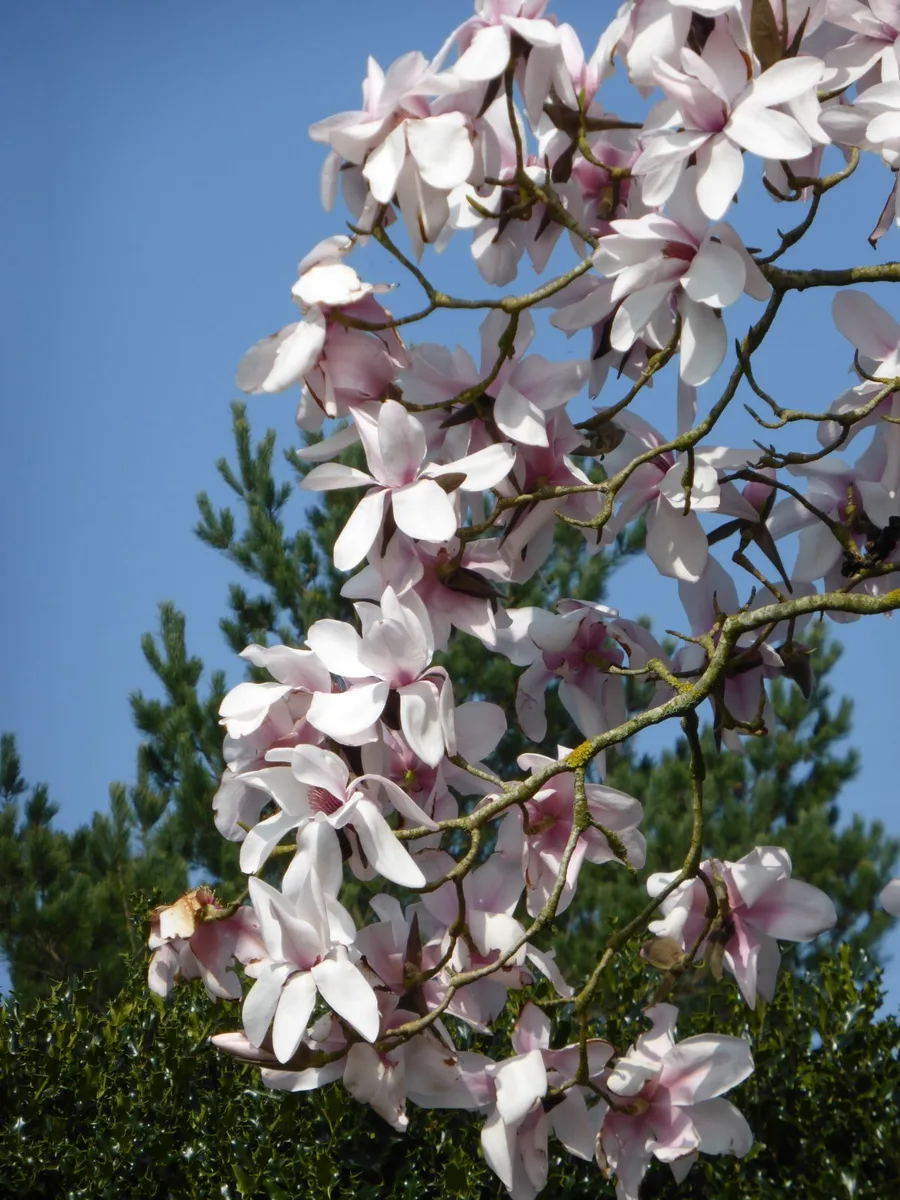
| Care difficulty | 2 / 5 |
|---|---|
| Watering schedule | Moderate regular watering, allowing brief slight drying between soakings |
| Sunlight requirements | Full sun · Partial shade |
| Ideal temperature | Information to be completed |
| Soil type | Loam · Clay · Sand |
| Soil pH | Acid · Neutral |
| Soil moisture | Moist but well drained · Well drained |
| Fertilizing | Balanced perennial feed every four weeks from spring through summer |
| Toxicity | Information to be completed |
How to Water Magnolia sargentiana var. robusta?
Moderate regular watering, allowing brief slight drying between soakings
Learn more →What Are the Sunlight Requirements for Magnolia sargentiana var. robusta?
Full sun · Partial shade
Learn more →What Soil Is Best for Magnolia sargentiana var. robusta?
- Soil type
- Loam · Clay · Sand
- Soil pH
- Acid · Neutral
What Are the Moisture Requirements for Magnolia sargentiana var. robusta?
Moist but well drained · Well drained
Learn more →How to Fertilize Magnolia sargentiana var. robusta?

Balanced perennial feed every four weeks from spring through summer
Learn more →How to Prune Magnolia sargentiana var. robusta?

Magnolias usually need little pruning; remove dead, damaged or unwanted growth. For deciduous types, prune only between midsummer and early autumn. Free-standing evergreen types are pruned in spring as growth starts; wall-trained evergreen specimens are trimmed in summer, delaying cuts on flower-bud-bearing shoots until after flowering.
Learn more →How to Propagate Magnolia sargentiana var. robusta?

Propagate by semi-ripe cuttings
Learn more →How to Plant Magnolia sargentiana var. robusta?
Grow in moist but well drained neutral to acid soil in full sun or light shade with shelter from cold winds. Late frost may damage the flower buds. For more information see magnolia cultivation advice
Learn more →Common Pests & Diseases

Diseases
May be susceptible to coral spot, phytophthora, grey moulds, honey fungus, a virus or fungal leaf spot
Pests
May be susceptible to scale insects, horse chestnut scale and capsid bug
Explore the plant health library →