
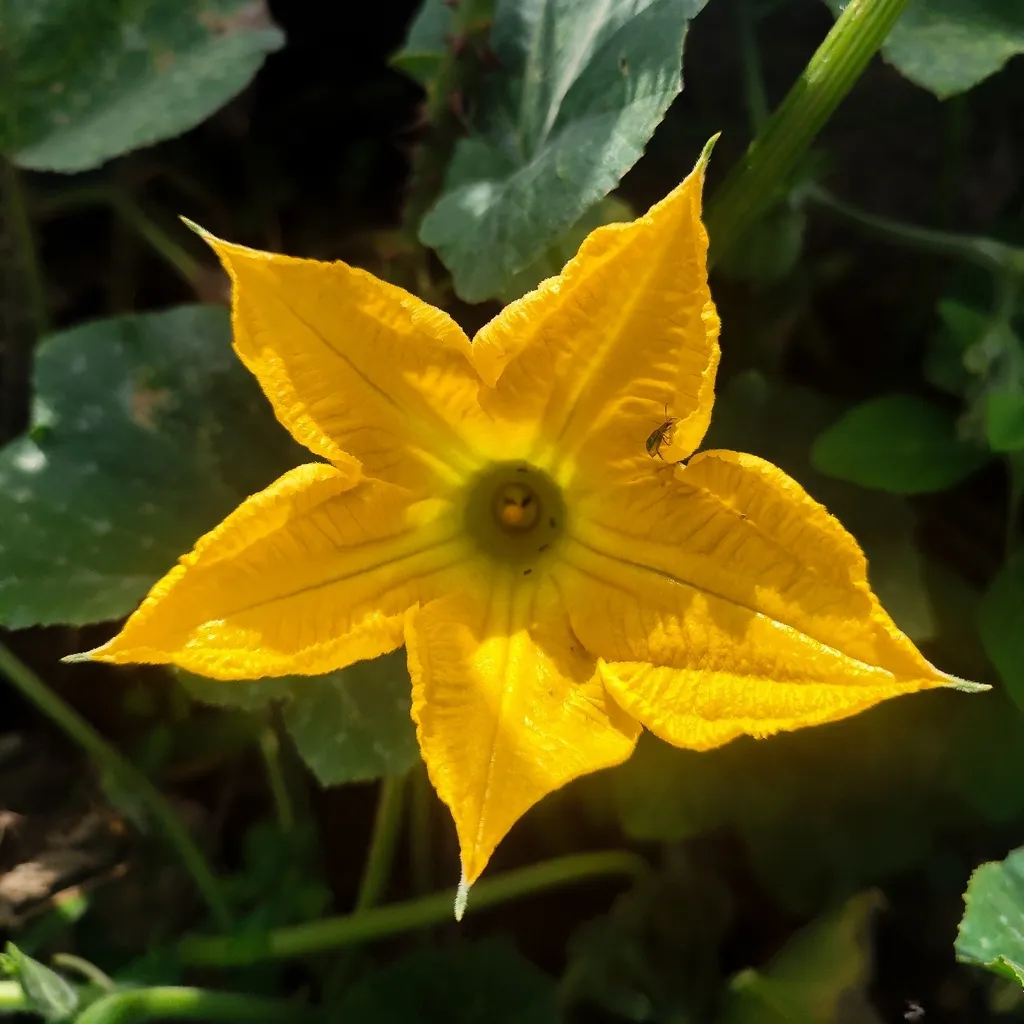



autumn pumpkin

autumn pumpkin · Fertilizing

autumn pumpkin · Cucurbita pepo
Also known as: autumn squash; common gourd; courgette; field pumpkin; marrow; melon pumpkin; pomion; pumpkin; summer pumpkin; summer squash; vegetable spaghetti; winter squash; yellow-flowered gourd; zucchini; vegetable marrow

Field pumpkin requires a warm growing season and ample space to sprawl or climb, as it tends to spread out extensively. With its preference for well-drained, fertile soil and full sun exposure, field pumpkin is relatively easy to grow. Special care points include regular watering to maintain moist soil and vigilance against pests like squash borers. Mulching helps retain moisture and deters weeds.

Watering: Keep moisture even through flowering and fruiting, avoiding hard dry swingsSunlight: Full sunIf crop is bitter, don't eat. Wear gloves and other protective equipment when handling

How to Fertilize autumn pumpkin?

For field pumpkin, use high phosphorus fertilizer at planting to stimulate root development, and switch to balanced nutrition as vines grow. Fertilize every 2-4 weeks, applying 1-2 tablespoons per plant, ensuring not to over-fertilize which may harm field pumpkin. Fertilization promotes vigorous growth, improves flowering, and maximizes fruit yield. Tailor quantities to soil fertility levels, and reduce as field pumpkin matures. For efficacy, water field pumpkin after applying fertilizer.

PlantCare

Your Ultimate Guide to Plants

Identify, grow and nurture the better way!

PlantCare plant identification and care illustration
PlantCare

Botanist in your pocket

Scan to download PlantCareDownload on the App Store

Scan the QR code with your phone camera to download the app