
autumn pumpkin
Also known as: autumn squash; common gourd; courgette; field pumpkin; marrow; melon pumpkin; pomion; pumpkin; summer pumpkin; summer squash; vegetable spaghetti; winter squash; yellow-flowered gourd; zucchini; vegetable marrow
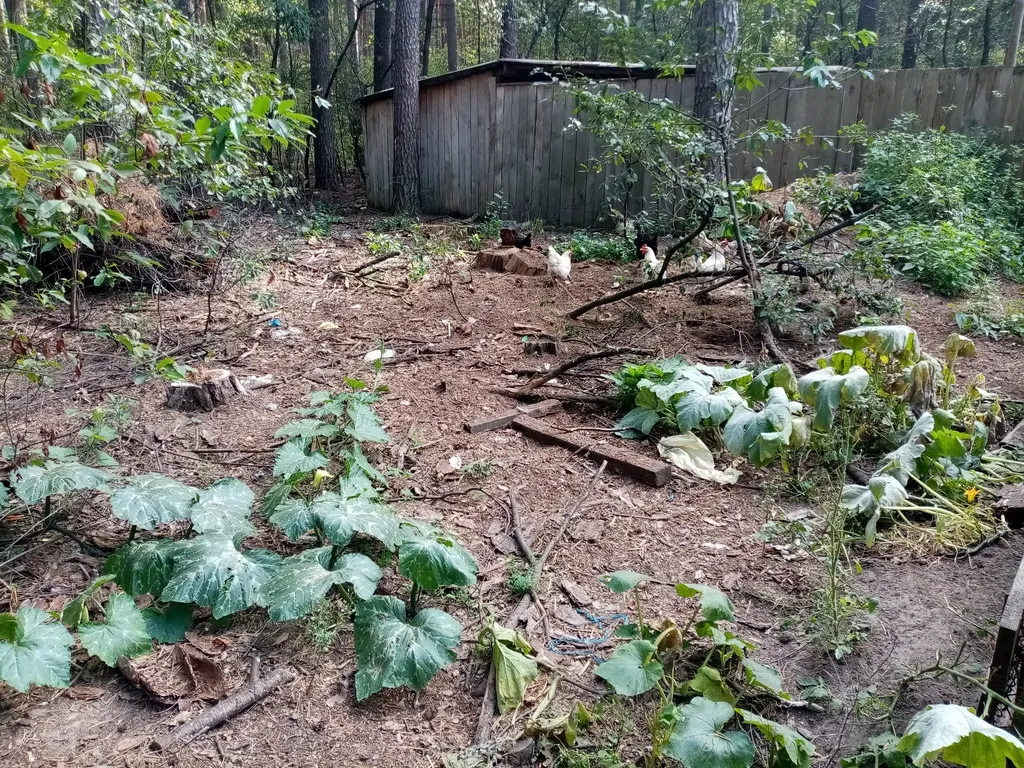
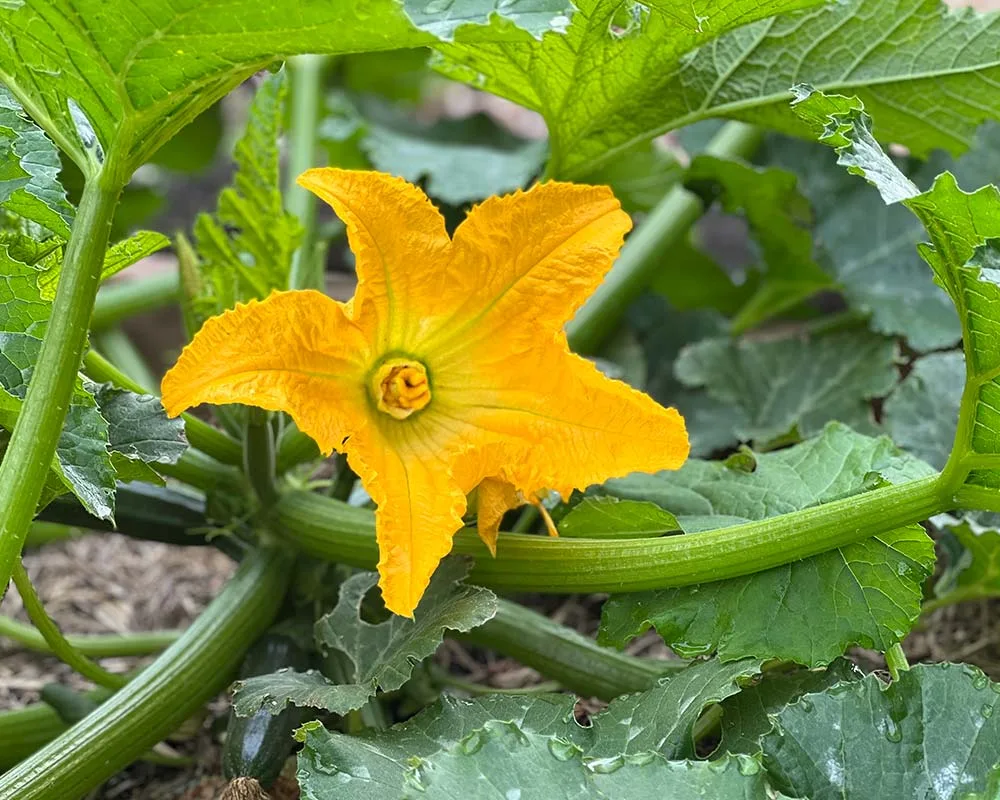
This is the original parent plant, from which many cultivars of courgette, summer and winter squash, pumpkins and gourds have been bred. The tender annual plants can be trailing or bushy. They have yellow flowers and both male and female flowers are born on the same plant, the female flowers have a small immature fruit behind the flower. Fruit can be green like courgettes, cream, yellow or orange like pumpkins
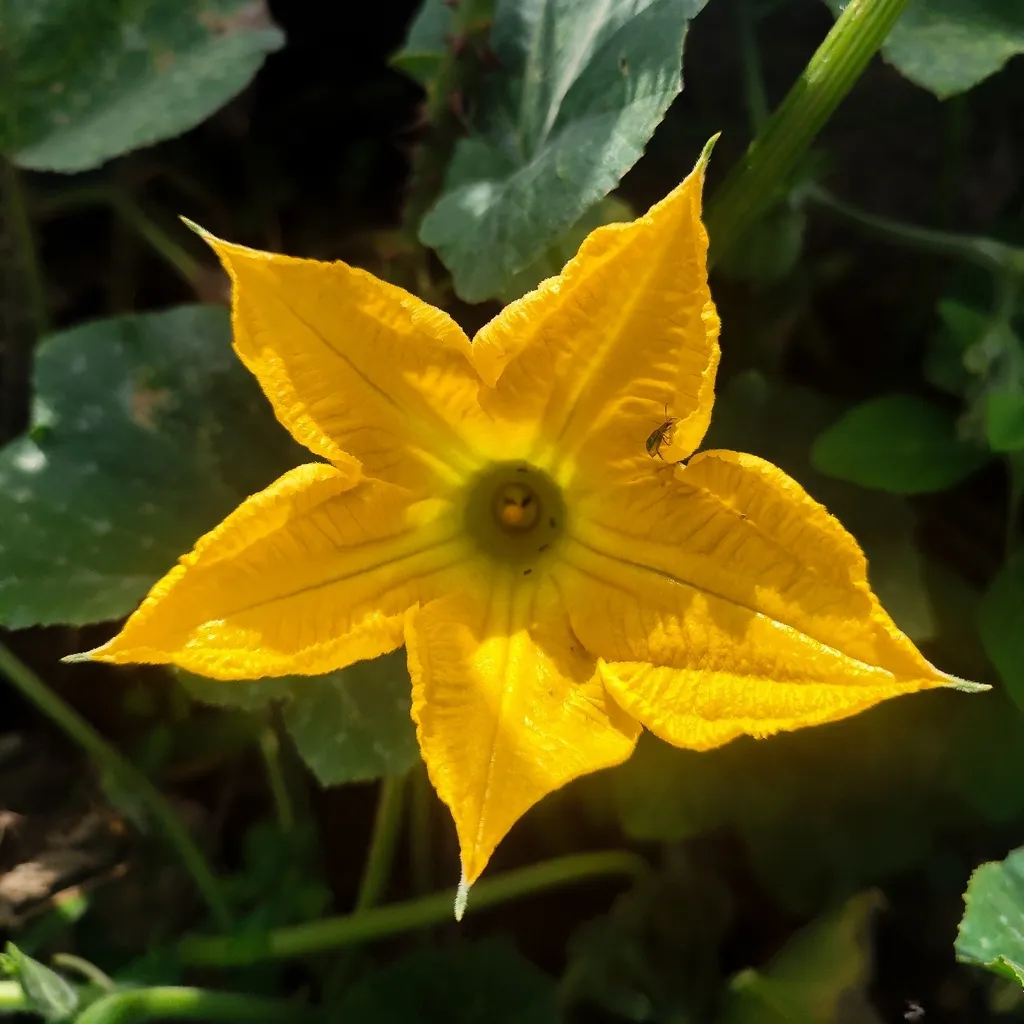
Scientific classification
- Species
- autumn pumpkin (Cucurbita pepo)
- Genus
- Cucurbita
- Family
- Cucurbitaceae
- Order
- Cucurbitales
- Class
- Magnoliopsida
- Phylum
- Magnoliophyta
- If crop is bitter, don't eat. Wear gloves and other protective equipment when handling
- Toxicity
- Annual Biennial
- Plant type
- 1-1.5 metres
- Height
- 1-1.5 metres
- Spread
- Deciduous
- Foliage
- Bushy · Trailing
- Habit
- Spring · Summer · Autumn
- Season of interest
- Full sun
- Sunlight
- 20 – 30 °C
- Ideal temperature









autumn pumpkin pictures
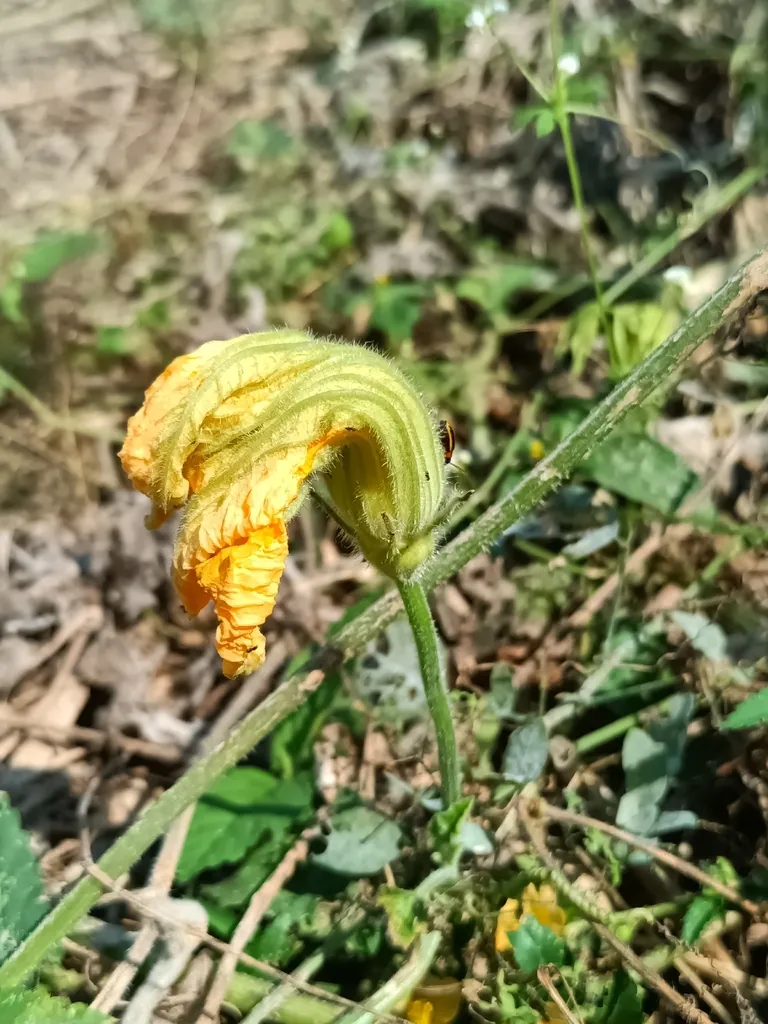
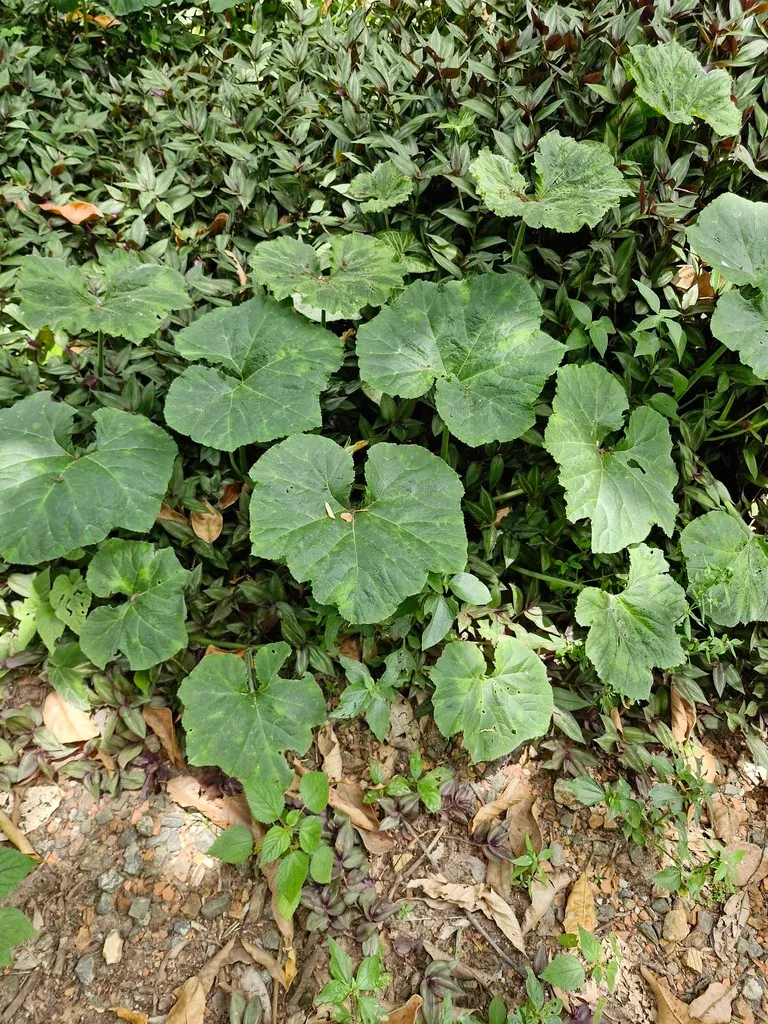
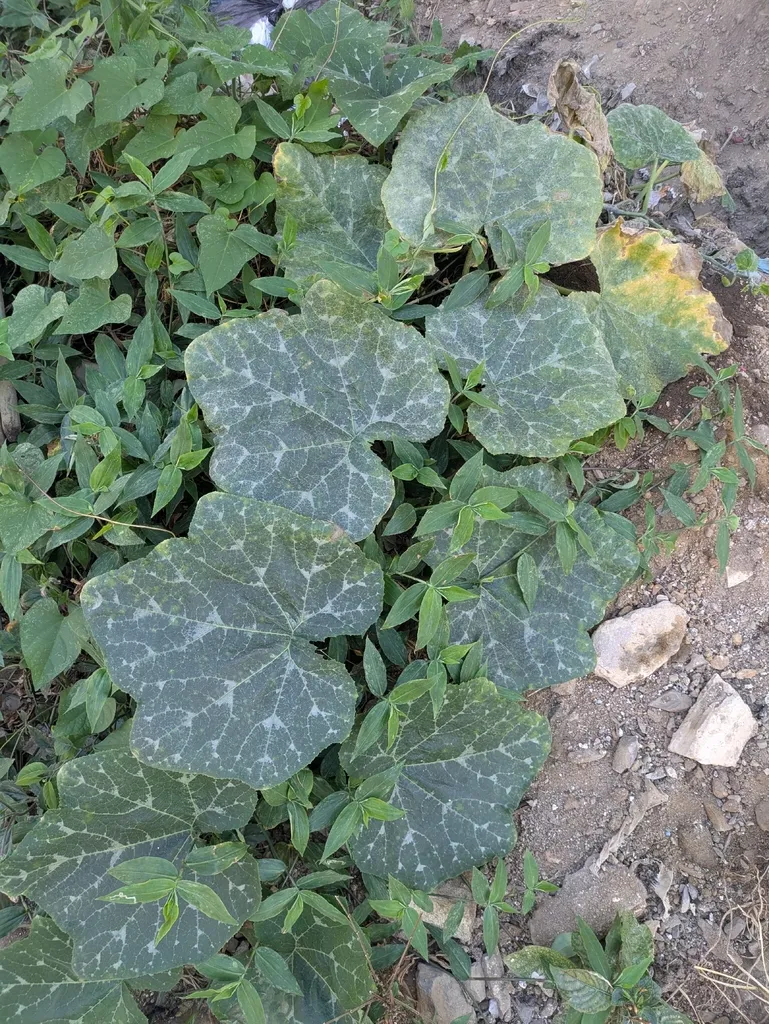
Distribution of autumn pumpkin
Distribution map
- Native
- Introduced
- Cultivated
Source:WCVP v16 · Royal Botanic Gardens, Kew · CC BY 3.0 · Boundaries:WGSRPD / TDWG
Toxicity
If crop is bitter, don't eat. Wear gloves and other protective equipment when handling
autumn pumpkin care guide
- Keep moisture even through flowering and fruiting, avoiding hard dry swings
- Watering
- Full sun
- Sunlight
- 20 – 30 °C
- Ideal temperature

Watering
Keep moisture even through flowering and fruiting, avoiding hard dry swings
Fertilizing
 Fertilizing
Tomato or pepper feed every one to two weeks in fruiting season
Pruning
 Pruning
No pruning required
Propagation
 Propagation
Propagate by seed. See sowing vegetable seeds or sowing seeds indoors for further advice
Growing
 Growing
Grow in rich, fertile, well drained soil in full sun. Start indoors from mid-late April, sowing in individual pots about 1.5cm deep. Harden off before June then transplant outdoors to final growing position. Keep well-watered throughout the growing season and feed every 10-14 days once fruits start to form. See courgette cultivation for further advice.
Common pests and diseases
Diseases
May be susceptible to grey mould and powdery mildews
Pests
May be susceptible to slugs and snails
Explore the plant health library →




