
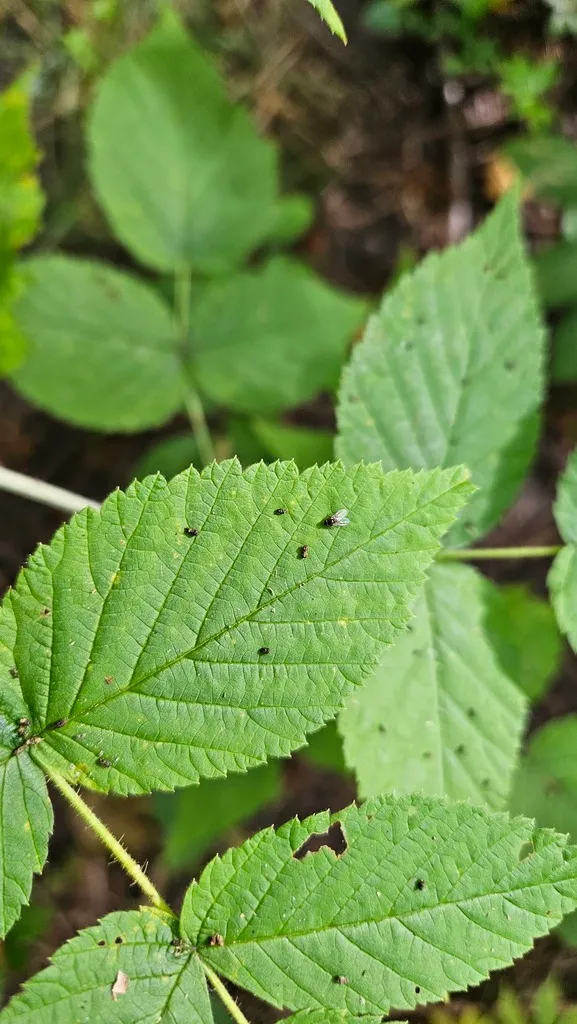



common raspberry

common raspberry · Fertilizing

common raspberry · Rubus idaeus
Also known as: European raspberry; frambois; framboise; framboys; garden raspberry; hindberry; hineberry; red raspberry; wild raspberry

Red raspberry thrive in well-drained, fertile soils with a pH between 5.5 and 6.5, and require full sun exposure for optimal fruit production. Special care points include regular pruning to promote healthy growth and fruit yield, and providing support structures like trellises for their canes. Additionally, mulching helps to retain soil moisture and fight off weeds. These practices contribute to red raspberry's reputation as an easy to care for plant given their straightforward maintenance needs.

Watering: Water deeply and regularly, especially during fruit developmentSunlight: Full sunInformation to be completed

How to Fertilize common raspberry?

For optimal growth, red raspberry benefits from balanced nutrition fertilizers, rich in N-P-K. Apply a 10-10-10 formula in early spring to support foliage and root development. During the fruiting period, providing a low-nitrogen, higher-potassium blend enhances yield. Use compost as a natural, slow-release option. Fertilize young plants every 4-6 weeks, mature ones twice a season. Avoid over-fertilization; adhere to package instructions to prevent root burn. Seasonal variations dictate adjustments: lighter applications in fall to prepare for dormancy. Tips: Apply after rain, or water well, and distribute evenly at the plant's drip line.