



Planting and Growing common raspberry

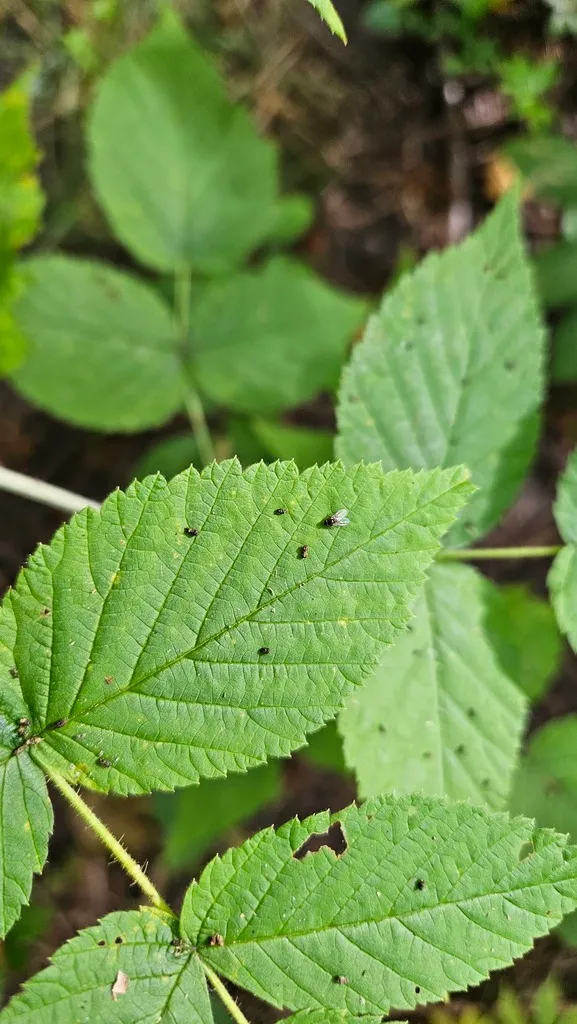
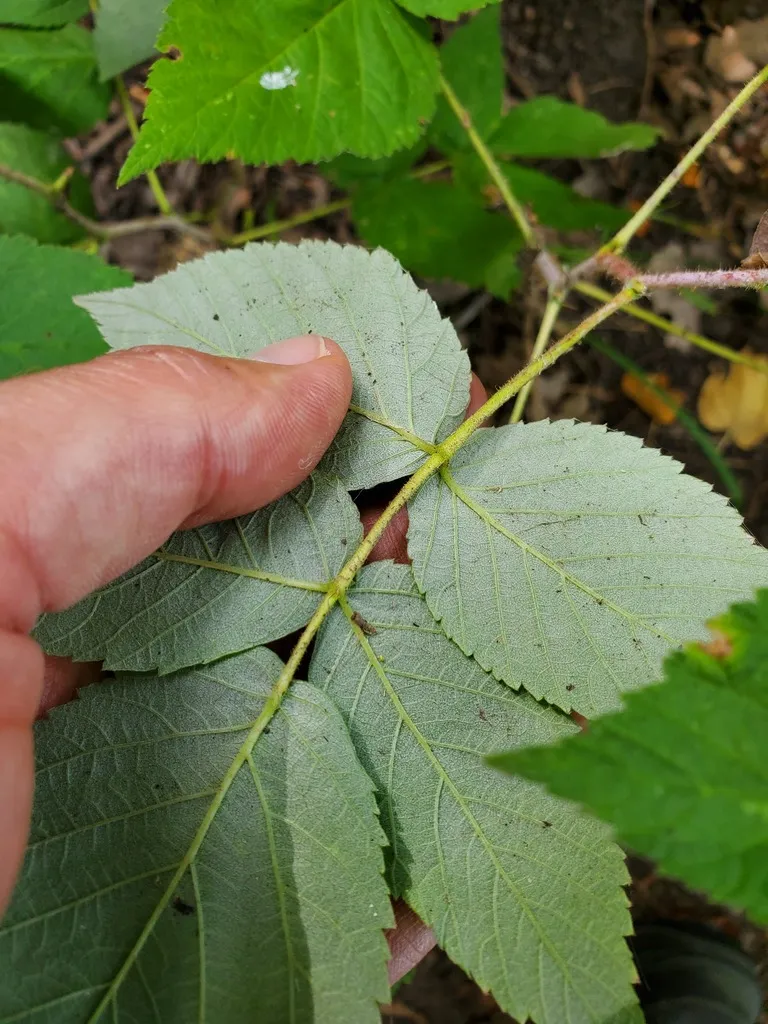
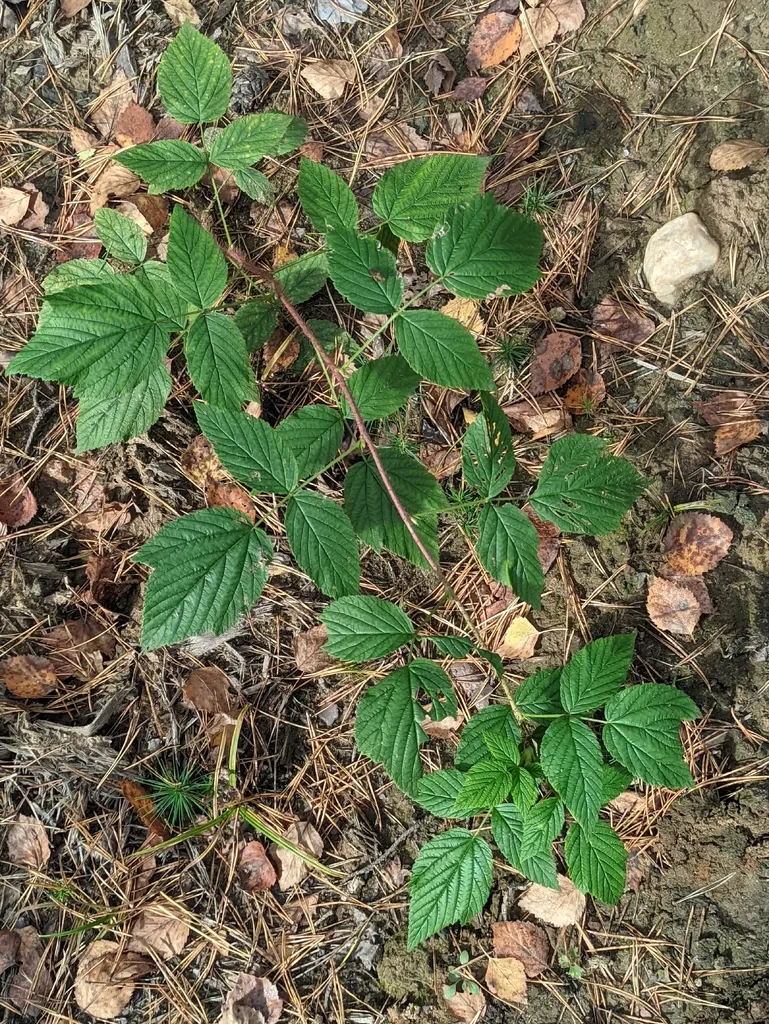
| Care difficulty | 2 / 5 |
|---|---|
| Watering schedule | Water deeply and regularly, especially during fruit development |
| Sunlight requirements | Full sun |
| Ideal temperature | 15 – 25 °C |
| Soil type | Loam · Sand |
| Soil pH | Acid · Neutral |
| Soil moisture | Moist but well drained · Well drained |
| Fertilizing | Fertilize in early spring and after harvest |
| Toxicity | Information to be completed |
How to Water common raspberry?
Originating from temperate regions, red raspberry is accustomed to moderate moisture levels in its native habitat. This species thrives with consistent but not excessive watering, aligning with its preference for well-drained soil and partial tolerance to drought. For optimal growth, red raspberry should be watered once every 1-2 weeks, ensuring the soil remains moist but not waterlogged. As a deciduous plant, red raspberry's water needs decrease during dormancy; thus, it's beneficial to reduce watering frequency in the cooler months to prevent root rot.
Learn more →What Are the Sunlight Requirements for common raspberry?
Red raspberry thrives under full sun conditions, where it can benefit from direct and intense light for healthy growth and fruit production. The optimal exposure is at least six hours of sunlight daily, which ensures vigorous growth and a bountiful harvest. Although red raspberry tolerates partial sun, where sunlight might be dappled or less intense, reduced light can lead to suboptimal fruiting and can make plants more susceptible to diseases due to weaker growth. When cultivated outdoors, red raspberry should be placed in areas where they can receive unfiltered sunlight, avoiding excessively shaded areas that can negatively impact their vitality.
Learn more →What Is the Ideal Temperature Range for common raspberry?

Red raspberry is resilient to temperature fluctuations, showing remarkable tolerance for both cold and heat extremes. It can endure temperatures as low as 0℃ (32℉) and as high as 38℃ (100℉). This wide tolerance range means red raspberry can thrive in various climates, albeit with proper care. During extreme cold, symptoms such as wilting or blackened leaves may appear, indicating the need for insulation measures like mulching or covering. Conversely, in extreme heat, drooping leaves and sunscald may occur, necessitating increased watering and shading. Understanding these tolerance levels ensures that red raspberry remains healthy and productive in diverse environmental conditions.
Learn more →What Soil Is Best for common raspberry?
Red raspberry is not picky about soil, as long as the soil is slightly acidic and well-drained. The ideal soil pH range for it is 5.5–7 while a few species and cultivars of Rubus may tolerate slightly alkaline soil as well. Rich loamy soil mixing with some sandy soil can be a good option. Always remember to avoid the heavy clay soil because it can become soggy easily. Hilled soils that promote drainage can also be taken into consideration, instead of wet, flat field.
- Soil type
- Loam · Sand
- Soil pH
- Acid · Neutral
What Are the Moisture Requirements for common raspberry?
Moist but well drained · Well drained
Learn more →How to Fertilize common raspberry?

For optimal growth, red raspberry benefits from balanced nutrition fertilizers, rich in N-P-K. Apply a 10-10-10 formula in early spring to support foliage and root development. During the fruiting period, providing a low-nitrogen, higher-potassium blend enhances yield. Use compost as a natural, slow-release option. Fertilize young plants every 4-6 weeks, mature ones twice a season. Avoid over-fertilization; adhere to package instructions to prevent root burn. Seasonal variations dictate adjustments: lighter applications in fall to prepare for dormancy. Tips: Apply after rain, or water well, and distribute evenly at the plant's drip line.
Learn more →How to Prune common raspberry?

Red raspberry features thorny stems and produces sweet, edible berries. Prune in early winter to late winter to remove old, unproductive canes and thin out new growth. Cut back weak and diseased canes to promote sunlight penetration and air circulation. This encourages healthier fruit production and helps prevent disease. Pruning also stimulates vigorous growth, ensuring a plentiful harvest. Use sharp, clean tools to make clean cuts just above healthy buds.
Learn more →How to Propagate common raspberry?

Starting from cuttings is a favored technique for red raspberry propagation, offering an efficient means to clone selected varieties. For healthy development, cuttings should include several leaf buds and be taken from vigorous canes. Rooting hormone can enhance success rates, while a well-draining growing medium provides the necessary environment for root establishment. Consistent moisture and warmth under dappled light conditions aid in stimulating root growth, which is crucial for red raspberry's successful propagation.
Learn more →How to Transplant common raspberry?
For successful transplanting of red raspberry, the ideal time is between late spring and mid-summer, as the warmer weather promotes rapid growth. Choose a sunny location with well-draining soil. If needed, provide support for the plant and keep it well-watered during establishment.
Learn more →How to Care for common raspberry in Winter?

Information to be completed
Learn more →How to Plant common raspberry?
Indoors-potted: When growing red raspberry indoors, ensure ample space as they can spread; a large pot and regular pruning maintain their compact shape. Outdoors-potted: In outdoor pots, red raspberry thrive with seasonal care; transition them gradually to prevent shock during spring's early growth. Outdoors-in the ground: Red raspberry planted in-ground require vigilant pest control, especially for birds who fancy the buds and fruits.
Learn more →How to Repot common raspberry?
Repot red raspberry, a bushy fruit bearer, in early spring every 2-3 years to support its vigorous growth cycle. Choose a sizeable pot to accommodate its robust root system, ensuring ample space for expansion. Post-repotting, provide red raspberry with steady moisture and well-draining soil. This care cultivates a strong foundation for bountiful harvests, enhancing the unique joy of cultivating your own sweet, ruby-red fruits.
Learn more →How to Harvest common raspberry?

Taste the fruit and it will tell you when it is time to harvest. Ripe fruits will be sweet and juicy. If they are still sour or tart, let them ripen a bit longer. Usually you can start harvesting from mid-summer till mid-fall, according to varieties. You should harvest the fruits when all dews or raindrops are dry to prevent molds. They have a short shelf life, so refrigerate them after harvest without washing. As for some sour species, process them into delicious jams or jellies.
Learn more →Common Pests & Diseases

Diseases
May be susceptible to grey moulds and honey fungus (rarely)
Pests
May be susceptible to aphids, leafhoppers, raspberry beetle and gall mites
Explore the plant health library →The Toxicity of common raspberry
Information to be completed