
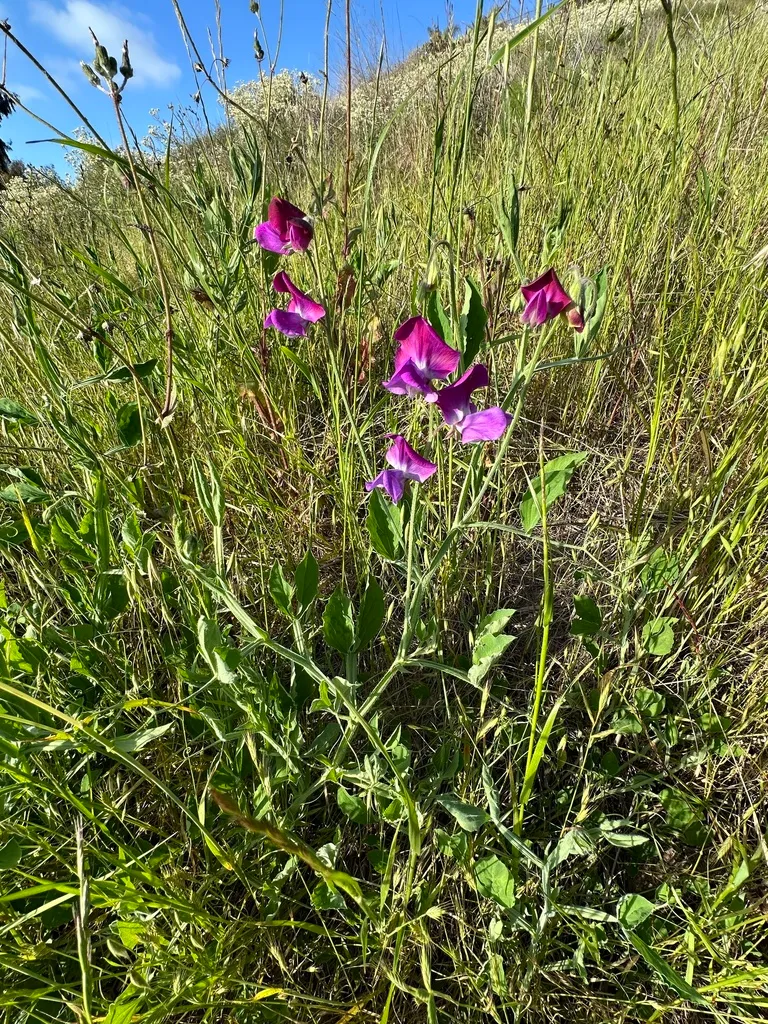



sweet pea

sweet pea · Fertilizing

sweet pea · Lathyrus odoratus
Also known as: vetchling

Sweet pea are known for being relatively easy to grow, with a few special care points to ensure healthy blooming. They require a position with full sun to partial shade and well-drained, fertile soil. A critical care aspect is providing adequate support, such as trellises or netting, for their climbing habit. Additionally, regular deadheading promotes continuous flowering throughout the season. Watering should be consistent, but overwatering must be avoided to prevent root rot.

Watering: Water regularly in growth, keeping roots cool and evenly moistSunlight: Full sun · Partial shadePods and seeds are not edible. Wear gloves and other protective equipment when handling

How to Fertilize sweet pea?

For sweet pea, a high-phosphorus fertilizer encourages prolific blooming and strong root development. Fertilize bi-weekly during growth, tapering off as flowering ceases. Use according to package instructions, avoiding over-fertilization to prevent foliage at the expense of flowers. Seasonal needs vary; increase feeding in spring, reduce in summer's end. Always water sweet pea before and after applying fertilizer to protect roots and aid absorption.