



Planting and Growing sweet pea

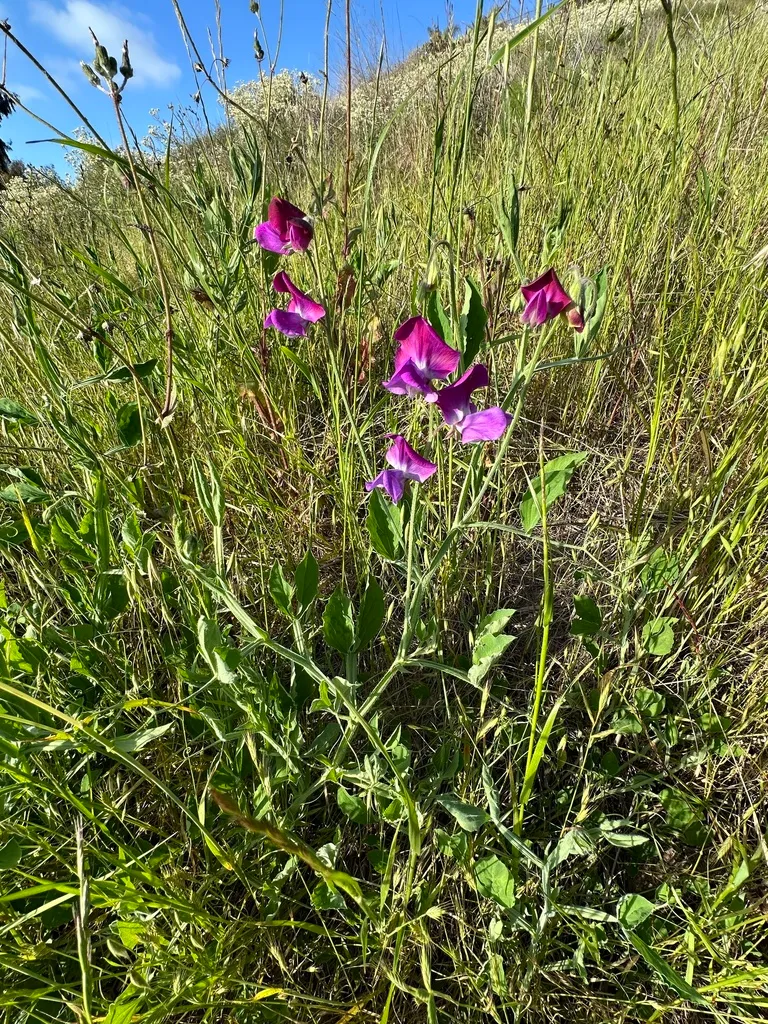
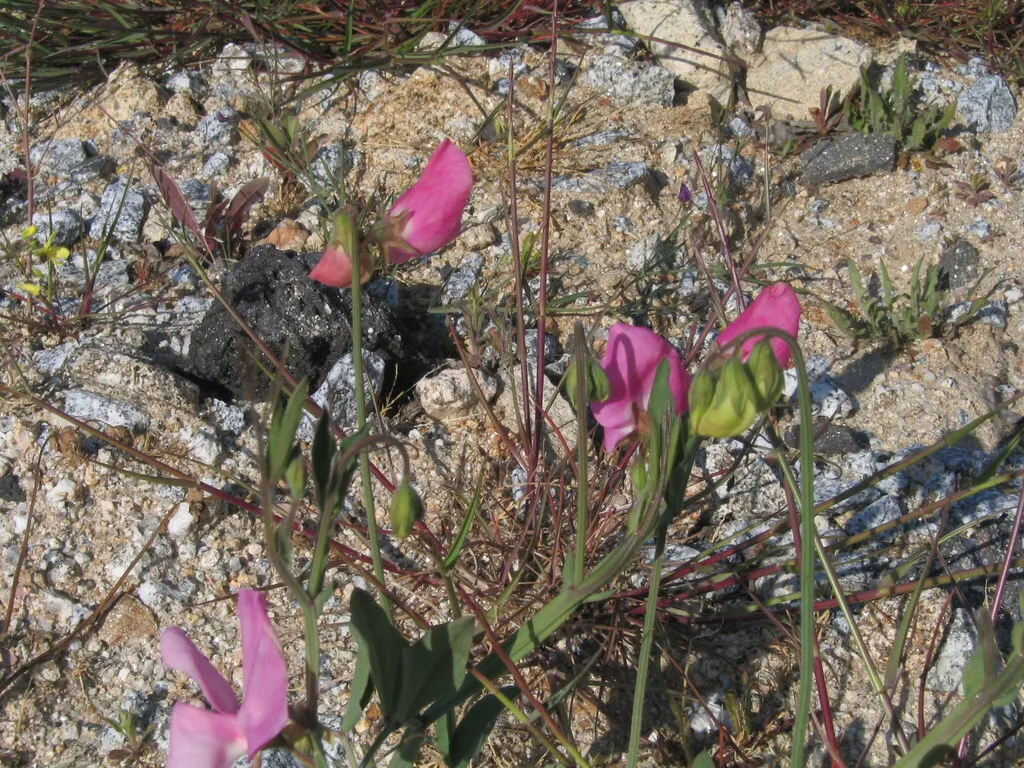
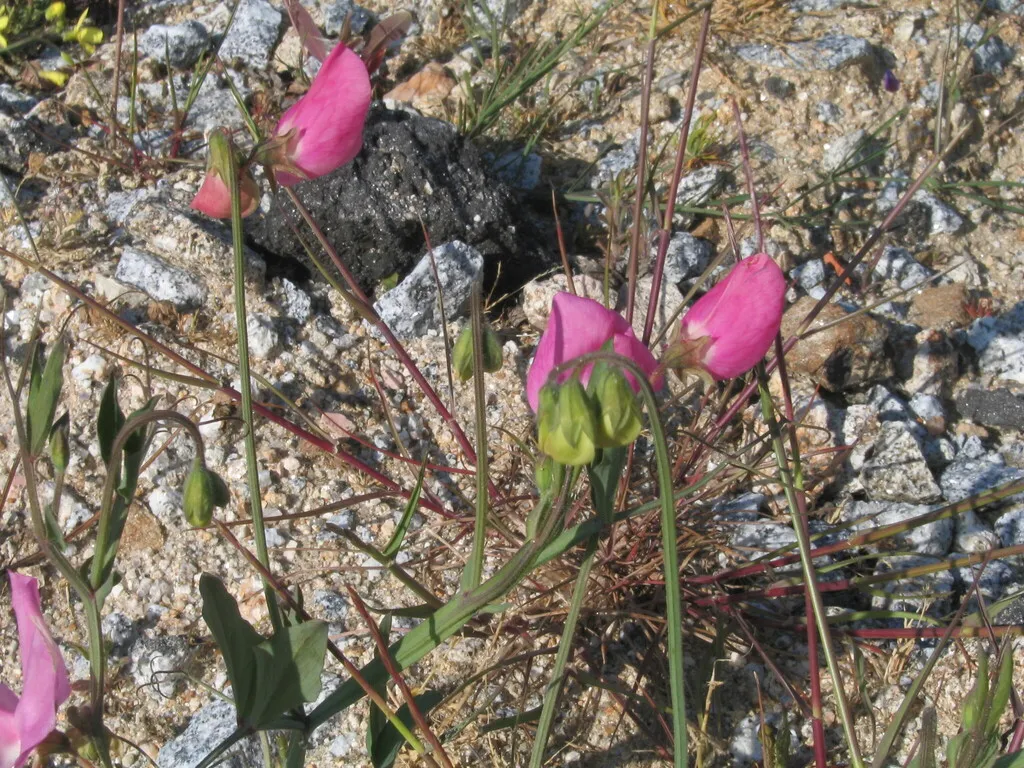
| Care difficulty | 3 / 5 |
|---|---|
| Watering schedule | Water regularly in growth, keeping roots cool and evenly moist |
| Sunlight requirements | Full sun · Partial shade |
| Ideal temperature | 10 – 20 °C |
| Soil type | Clay · Loam · Sand |
| Soil pH | Acid · Alkaline · Neutral |
| Soil moisture | Well drained |
| Fertilizing | High-potash sweet pea feed every two weeks through flowering season |
| Toxicity | Pods and seeds are not edible. Wear gloves and other protective equipment when handling |
How to Water sweet pea?
Originating from the temperate regions, sweet pea thrives in consistently moist soil conditions that mimic its natural habitat. It exhibits a preference for regular hydration without being waterlogged, striking a balance between dampness and drainage. Accordingly, it benefits from watering every week to maintain its ideal moisture levels. As an annual flowering plant, sweet pea is often cultivated outdoors where it can fully express its vining growth habit and produce fragrant blossoms when provided with adequate water during its active growing season.
Learn more →What Are the Sunlight Requirements for sweet pea?
Sweet pea flourishes best in full sun, which bolsters robust growth and abundant flowering. Such light should ideally be uninterrupted over the course of the day, with a preference for cool morning light and some protection from intense afternoon sun, particularly in hotter regions. Sweet pea can handle partial sun but may exhibit a decrease in bloom production and vigor. While adaptable, insufficient light exposure leads to leggy stems and sparse flowers. Outdoors, sweet pea should be placed in a sunny border or trellis. Indoors, a well-lit south-facing window sustains its light requirements. Sweet pea's ability to adapt partial shade does not compromise its health significantly, allowing a degree of flexibility in planting positions.
Learn more →What Is the Ideal Temperature Range for sweet pea?

Sweet pea likes a place that is warm in winters and cool in summers, with sufficient sunlight. It doesn't thrive well in extreme heat and is slightly tolerant of cold conditions. Best growing temperatures are between 5 to 20 ℃. Temperatures above 20 ℃ affect its growth and even cause withering and death. As an annual plant, sweet peas can be planted in almost all zones. Sweet pea does not require much water and is fairly resistant to drought. If you water it regularly, it will grow better.
Learn more →What Soil Is Best for sweet pea?
Sweet pea thrives in well-draining soil to avoid water-logging. Mix garden soil with sand and compost for aeration and nutrients. Optionally, use perlite or gravel at the bottom for better drainage. Fertilize monthly with a balanced liquid fertilizer, especially during growing seasons. Soil should be kept moist but not soggy. For lush growth, consider adding bone meal or organic matter at planting time.
- Soil type
- Clay · Loam · Sand
- Soil pH
- Acid · Alkaline · Neutral
What Are the Moisture Requirements for sweet pea?
Well drained
Learn more →How to Fertilize sweet pea?

For sweet pea, a high-phosphorus fertilizer encourages prolific blooming and strong root development. Fertilize bi-weekly during growth, tapering off as flowering ceases. Use according to package instructions, avoiding over-fertilization to prevent foliage at the expense of flowers. Seasonal needs vary; increase feeding in spring, reduce in summer's end. Always water sweet pea before and after applying fertilizer to protect roots and aid absorption.
Learn more →How to Prune sweet pea?

Sweet pea, known for its vibrant, fragrant flowers and climbing habit, benefits from pruning to encourage healthy growth and abundant blooms. Prune in early- to late spring, removing dead or weak stems. Pinch back the tips of growing shoots to promote bushiness and reduce tangling. Pruning also helps direct energy towards flower production. Use sharp, clean tools for best results, ensuring cuts are made just above leaf nodes. Regularly removing spent blooms extends the flowering period.
Learn more →How to Propagate sweet pea?

Sweet pea, a climbing annual, is propagated by sowing. For successful germination, a well-draining soil medium is essential. Pre-soaking the seeds overnight can enhance germination rates. Sow the seeds directly at a depth of about one to two centimeters. Maintaining consistent moisture without waterlogging promotes healthy seedling growth. Once seedlings establish, thinning may be required to prevent overcrowding, ensuring ample space for optimal development.
Learn more →How to Transplant sweet pea?
Sweet pea thrives when transplanted in late spring to early summer or late fall to early winter, as the temperatures are just right for its growth. Choose a sunny or partially-shaded location to ensure its success. Remember, gentle handling is key to avoid damaging tender roots during the transplant process.
Learn more →How to Care for sweet pea in Winter?

Information to be completed
Learn more →How to Plant sweet pea?
Indoors-potted: In an indoor setting, ensure sweet pea has a sturdy support to climb on as it loves to stretch upwards and showcase its vibrant flowers. Outdoors-potted: When potted outdoors, sweet pea thrives with ample space for roots—choose a deep container to accommodate its growth and flowering habit. Outdoors-in the ground: Sweet pea prefers outdoor ground planting, where it can naturally climb and intertwine, adding charm to garden trellises and fences.
Learn more →How to Repot sweet pea?
Needs excellent drainage in pots.
Learn more →How to Harvest sweet pea?

It is time to harvest when the flowers fully bloom. The best time to harvest flowers is early in the morning. The second choice is on a cool night. Bring a bucket of water when harvesting. Insert cut branches of flowers into water immediately to avoid water loss. When the flowers cannot be immersed in water, they should be as close to the water level as possible so that the stems are in full contact with the water. You can also cut the stem in the water, for the reason that air may enter the stem and block water transmission when cutting in the air. Adding floral preservatives to the vase and changing the water every two days is also advised.
Learn more →Common Pests & Diseases

Diseases
May be susceptible to powdery mildews, Fusarium wilt and sweet pea viruses
Pests
May be susceptible to aphids, slugs and snails
Explore the plant health library →The Toxicity of sweet pea
Pods and seeds are not edible. Wear gloves and other protective equipment when handling